What a Real Prepper’s Home Actually Looks Like (Not What You Think)
The phrase “What a Real Prepper’s Home Actually Looks Like (Not What You Think)” usually brings up a certain image: a bunker door hidden behind a bookcase, walls stacked with military rations, and a homeowner waiting for the end of the world. In reality, most serious preparedness-minded households look almost… normal.
A real prepper home is less about drama and more about quiet resilience: stored water that doesn’t scream “apocalypse,” shelves that rotate pantry staples like any organized kitchen, backup power that doubles as convenience during outages, and a medical plan that doesn’t rely on luck. The goal isn’t fear—it’s continuity: keeping your family safe, fed, warm, and informed when ordinary systems fail.
This guide walks you through what a functional, lived-in, everyday prepper home tends to include—without turning your space into a movie set.
Everyday normal on the surface, intentional underneath
If you visited many competent preppers, you’d likely notice more about what you don’t see than what you do. Their home doesn’t look like a warehouse. It looks like a home that’s:
- cleaner and more organized than average
- designed around small redundancies
- stocked with items they already use
- built for “Tuesday problems,” not just doomsday scenarios
The mindset that shapes the space
Real preparedness starts with priorities:
- Prevent emergencies (maintenance, safety, security basics)
- Bridge disruptions (power outage, supply chain delays, storms)
- Handle short-term crises (water interruptions, injury, heating failure)
- Adapt long-term if needed (job loss, prolonged outage, prolonged high inflation)
That mindset produces a home that isn’t extreme—it’s layered.
Water storage that’s boring, hidden, and actually usable
Water is where reality hits. Most households have almost no buffer. Real prepper homes do, but often in ways guests never notice:
- stackable containers tucked under beds
- food-grade drums in a garage corner
- cases of bottled water rotated into daily use
- filtration on the counter that looks like a normal kitchen tool
- a rain plan (legal where they live) and a way to purify collected water
The real prepper rule: store and treat
Serious households plan for both:
- stored water (immediate access)
- water treatment (for extended disruptions)
Many professionals rely on tools like Water Freedom System to streamline household-level water readiness without reinventing everything from scratch. It’s less about gadgets and more about having a clear plan you can implement.
💡 Recommended Solution: SmartWaterBox
Best for: building a straightforward home water backup routine
Why it works:
- Helps you think in “days of water” instead of vague estimates
- Encourages practical storage + usage habits
- Supports a calm, organized approach rather than panic buying
“As many emergency management educators point out, water planning is the fastest way to reduce household risk—because it’s the first thing you can’t improvise for long.”
A pantry that looks like a pantry, not a prepper stash
In real homes, food storage is integrated into daily cooking. The most competent setups aren’t exotic—just bigger and better managed.
What you’ll actually see
- a deeper pantry with duplicates of essentials
- extra staples in bins (rice, oats, pasta, flour, beans)
- cooking fats, spices, and condiments that make staples usable
- a “working inventory” (even if it’s just a note on the phone)
- a rotation system: first-in, first-out (FIFO)
This setup solves mundane problems: snow days, sick weeks, surprise guests, budget tightening, and store shortages.
Problem-solution bridge: Struggling with meal planning when stores are picked over or prices spike? The Lost SuperFoods is often used as an idea bank for shelf-stable and resilient food choices—especially for people who want variety beyond the same five “prepper meals.”
The quiet secret: comfort foods matter
Real preppers store foods they’ll actually eat—plus morale boosters:
- coffee/tea
- cocoa and baking supplies
- shelf-stable treats
- familiar spices and sauces
Because stress is real, and food fatigue is a thing.
Power backup that prioritizes essentials, not fantasies
Most “normal-looking” prepper homes have a plan for the basics:
- charging phones and radios
- keeping a fridge cold
- powering medical devices if needed
- running a small heater or fan safely (where appropriate)
- maintaining light at night
They don’t assume the entire house will run like nothing happened. They plan for critical loads.
The practical approach: layered energy
- short outages: batteries + power banks + rechargeable lights
- medium outages: inverter setups, small generators, fuel strategy
- long outages: efficiency upgrades, solar planning, energy discipline
Comparison/alternative: While big, expensive whole-home systems are popular, many households start with a more modular approach and scale up. Tools like Ultimate OFF-GRID Generator are typically explored by people who want a roadmap for off-grid-ready power thinking without overcommitting early.
💡 Recommended Solution: Energy Revolution System
Best for: building a realistic home energy plan for outages
Why it works:
- Encourages prioritizing essential circuits and loads
- Helps reduce dependence on a single solution
- Supports step-by-step improvements rather than impulse buys
Medical readiness that goes beyond a small first-aid kit
A real prepper home doesn’t rely on one tiny kit from a drugstore. Instead, it typically has layers:
- a basic first-aid kit for minor cuts/burns
- a trauma-focused kit (if trained)
- a sick-care bin: flu, fever, dehydration support
- hygiene and sanitation supplies
- reference material (because memory fails under stress)
What makes it “real” is the plan
Prepared households know:
- who has allergies and where the meds are
- what to do for common injuries
- when to seek professional care
- where medical records are stored (securely)
Many people build this “home clinic” approach with education-first resources like **Home Doctor**—not as a replacement for medical professionals, but as a way to think through practical scenarios and preparedness habits.
“As experienced preparedness instructors often emphasize, the best medical tool is competence—supplies come second.”
Security that’s discreet, layered, and motivated by prevention
Most real prepper homes don’t look like fortresses. They look like a place where it’s hard to create a problem in the first place.
What this tends to include
- good outdoor lighting
- strong door hardware and window locks
- trimmed landscaping to reduce hiding spots
- cameras where appropriate
- a plan for “answering the door” safely
- community awareness and relationships
The goal isn’t to escalate. It’s to deter.
The overlooked layer: operational security (OPSEC)
Real preppers don’t advertise. They avoid:
- posting stockpiles on social media
- telling everyone what they own
- leaving boxes for expensive gear visible at the curb
Security is often about not becoming a target.
If you live in a high-density area, many people like structured, non-alarmist resources such as URBAN Survival Code to think through practical city-specific risks: transit disruptions, apartment constraints, and limited storage.
“Prepping rooms” are rare; prepper systems are common
The Hollywood version is a secret prep room. The real version is distributed storage:
- water split across multiple locations
- pantry overflow in closets or under beds
- tools where they’re needed (not all in one bin)
- backup lighting in each room
- printed contacts and instructions in key places
This reduces single points of failure. If a pipe leaks in one area, you don’t lose everything. If someone is sick upstairs, supplies are nearby.
The functional home map
Real preppers tend to think in zones:
- Kitchen: food, water, cooking alternatives
- Bedrooms: warmth, lighting, basic medical, documents access
- Garage/utility: tools, repair parts, fuel strategy, larger water storage
- Living area: communications, radios, family meeting plan
- Backyard/balcony: gardening, discreet composting, basic production (where possible)
Resilience is built through skills and routines, not gear piles
A common thread in real prepper homes is not “more stuff”—it’s repeatable routines:
- monthly inventory checks (quick, not obsessive)
- rotating pantry items automatically through normal meals
- testing flashlights and rechargeable batteries
- planned practice: “no-power night” once in a while
- teaching kids where basics are and what to do calmly
Case study-style example: In many households, simply adding a rotation routine (use one, replace one) reduces waste and builds a 30–90 day pantry without major budget spikes—because the system runs on normal shopping behavior.
The prepper home is also a maintenance-first home
You’ll often see:
- spare fuses, bulbs, and batteries
- basic plumbing and repair items
- duct tape, zip ties, tarps
- fire extinguishers in smart locations
- smoke/CO detectors checked regularly
Because prevention beats response.
Food production is modest, realistic, and often invisible
Not every prepper has a farm. Many have simple, high-yield setups:
- herbs on a windowsill
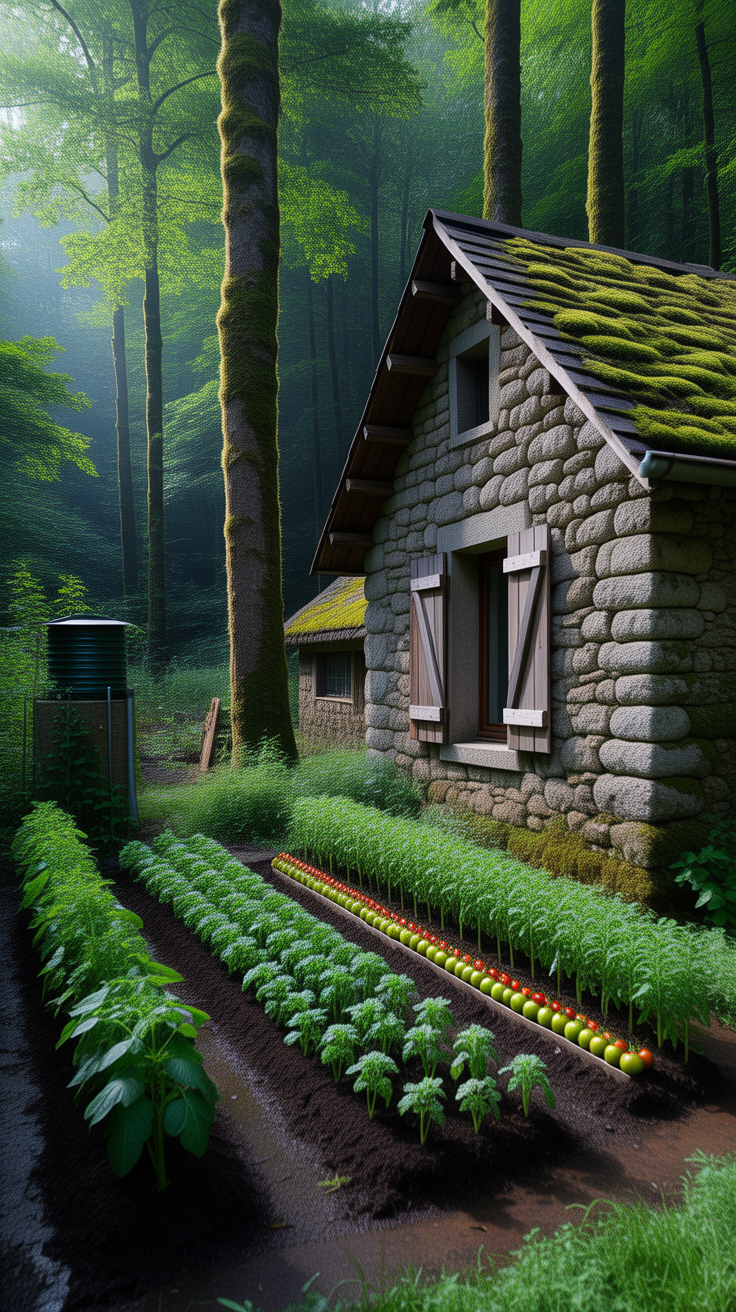
- raised beds in the backyard
- container gardening on patios
- basic seed storage (cool, dry, labeled)
- composting where practical and allowed
- fruit trees if the climate and property allow
This isn’t about “living off the land tomorrow.” It’s about supplementing and building competence.
Many aiming for practical home production look to guides like The Self-Sufficient Backyard to structure small-space growing plans that fit normal life.
Communications and information are treated like essentials
A real prepper home assumes information may be delayed, wrong, or missing. So they include:
- a weather-ready plan (alerts and redundancy)
- local maps (paper backup)
- a list of key contacts written down
- a family regroup plan (where to meet if phones fail)
- a way to monitor news without relying on a single platform
This is where preparedness shifts from “stuff” to decision-making.
Expert quote format:
“As many security and crisis-preparedness trainers note, ‘the person with the best information often makes the best decision.’ Programs like BlackOps Elite Strategies are often explored by readers who want structured thinking around awareness, planning, and layered readiness—especially when uncertainty is high.”
Calm contingency planning for “weird weeks”
Real prepper homes are designed for the kinds of disruption that happen more often than people admit:
- supply chain delays
- boil-water notices
- layoffs or reduced hours
- extended storms
- local infrastructure issues
- civil disruptions that change store access
They prepare to stay home comfortably for a while, not to “bug out” at the first sign of trouble.
The quiet benefit: future-proofing your budget
A deeper pantry and smart rotation can buffer inflation. Water storage prevents emergency convenience buys. Backup lighting reduces scramble purchases. Preparedness is often just household smoothing.
If you’re building a plan around modern uncertainties (including grid instability and information volatility), some readers look into resources like Dark Reset as a way to think through personal resilience and decision-making frameworks without relying on mainstream assumptions.
Tools and resources that fit a real prepper home
A real prepper home doesn’t need everything—just the right next step. Here are a few organized resources that match the “practical, normal-looking, highly functional” approach:
- Water readiness: Water Freedom System, SmartWaterBox
- Food resilience: The Lost SuperFoods
- Home energy planning: Ultimate OFF-GRID Generator, Energy Revolution System
- Urban-focused readiness: URBAN Survival Code
- Health preparedness mindset: Home Doctor
- Awareness and planning frameworks: BlackOps Elite Strategies, Dark Reset
- Backyard production: The Self-Sufficient Backyard
What a real prepper home feels like day to day
If you live in one, it doesn’t feel extreme. It feels:
- calmer during storms
- less reactive to headlines
- less dependent on last-minute shopping
- more confident when something breaks
- more intentional about consumption and waste
It’s not a house that’s waiting for disaster. It’s a house that’s ready for inconvenience, and capable of scaling up to handle bigger problems.
That’s the real meaning behind What a Real Prepper’s Home Actually Looks Like (Not What You Think): not a bunker fantasy, but a practical lifestyle that protects your time, finances, and family stability.
Conclusion
A real prepper’s home is usually unremarkable from the street—but highly functional behind the scenes. It’s built on boring fundamentals: water, food, energy, medical readiness, security, and skills. The difference isn’t how intense it looks; it’s how well it performs when normal systems wobble.
If you want your home to reflect What a Real Prepper’s Home Actually Looks Like (Not What You Think), start with the least glamorous steps: store water, deepen the pantry, plan for short outages, and build routines you can sustain. Real preparedness is quiet, practical, and designed to keep life normal when life stops being normal.
FAQ
What does a real prepper’s home actually look like day to day?
It usually looks like a normal home with better organization: a deeper pantry, stored water, backup lighting, and small redundancies. The “prepper” part is more about systems and routines than visible stockpiles.
Do preppers really have bunkers?
Some do, but most don’t. The more common approach is “shelter in place” capability—enough supplies and backup systems to stay home safely through disruptions.
What should I prioritize first in a prepper home?
Water is typically the fastest, most critical upgrade, followed by pantry depth, basic medical readiness, and backup power for essentials. Those four cover many real-world disruptions.
How do I prep without turning my house into a storage unit?
Use distributed storage (under beds, closets, discreet bins), rotate what you store into daily meals, and focus on essentials rather than novelty gear. Inventory and routines keep it manageable.
Is prepping mainly for extreme disasters?
Not necessarily. Most benefits show up during common events: storms, outages, illness weeks, price spikes, and supply disruptions. A real prepper home is built for “weird weeks,” not movie scenarios.
RANK MATH SEO BLOCK
SEO Title: What a Real Prepper’s Home Actually Looks Like (Realistic)
Meta Description: Discover what a real prepper’s home actually looks like (not what you think): water, food, power, medical, and security done discreetly.
URL Slug: real-preppers-home-actually-looks-like
Focus Keyword: What a Real Prepper’s Home Actually Looks Like (Not What You Think)
Suggested Schema Type: FAQ