
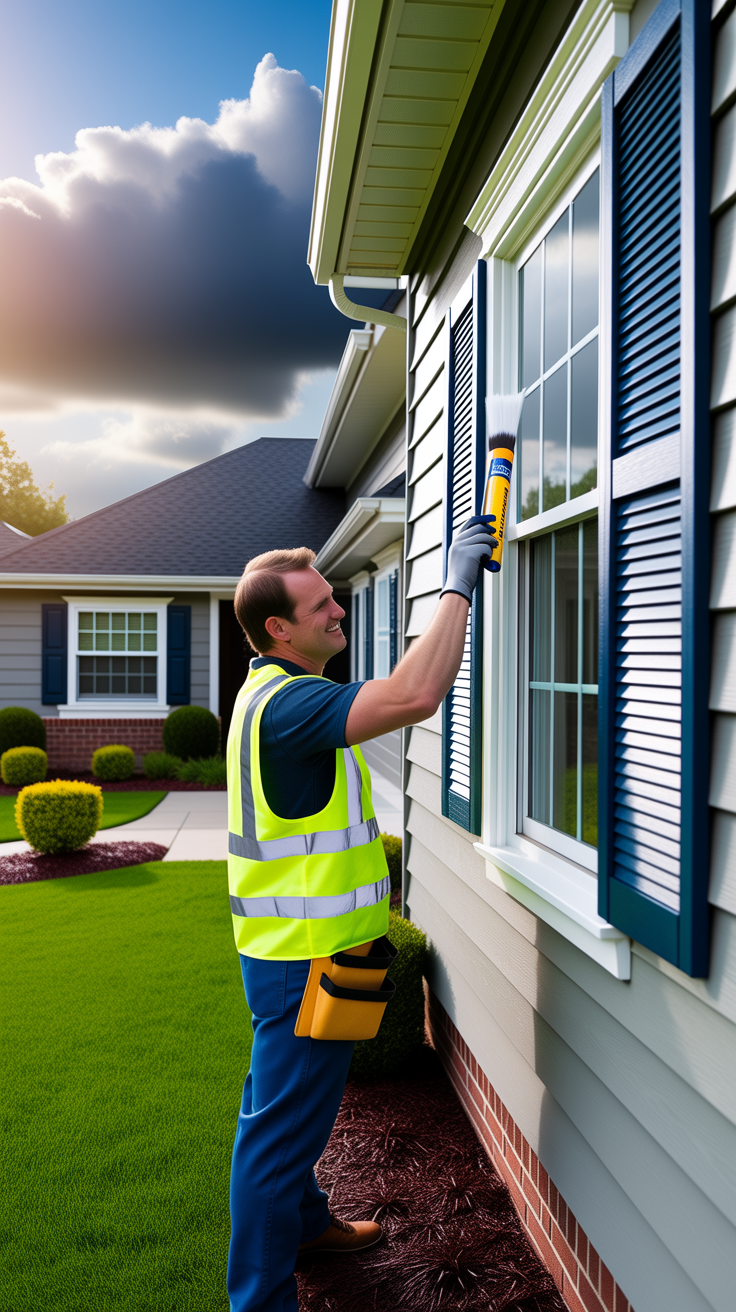
How to Weatherproof Your Home Before Disaster Strikes
Weather disasters don’t “announce” themselves in a way that matches your schedule. A windstorm hits after dark, a sudden freeze knocks out power, or a week of heavy rain reveals the one weak spot in your roof you didn’t know existed. Learning how to weatherproof your home before disaster strikes is less about fear and more about reducing avoidable damage—protecting your family, your budget, and your ability to stay put when conditions get rough.
In practice, weatherproofing is a layered system: stop water intrusion, reduce wind vulnerability, maintain livable indoor temperatures, and backstop the essentials (water, power, food, and medical readiness). The goal is resilience, not perfection. If you prioritize the right upgrades and maintenance tasks, you can make your home dramatically harder to disrupt—often without expensive renovations.
Building a weatherproofing mindset that actually works
The most effective weatherproofing plans follow three principles: prevention, redundancy, and simplicity.
Start with the vulnerabilities every home shares
No matter where you live, these weak points show up again and again:
- Water entry paths: roof penetrations, flashing, gutters, foundation cracks, basement windows, door thresholds
- Wind pressure points: garage doors, gable vents, older windows, soffits, loose fencing and yard debris
- Thermal leaks: unsealed attic penetrations, under-insulated ceilings/walls, leaky ductwork, drafty doors
- Utility dependencies: grid power, municipal water, single heat source, a single stocked pantry
If you handle those areas, your home becomes less fragile—during hurricanes, tornado lines, ice storms, heat waves, and extended outages alike.
Use a simple risk map
Walk your property and note where:
- Water could flow (downspouts, slopes, low spots)
- Wind could push (large openings, loose exterior elements)
- Heat/cold could transfer (unfinished spaces, attic access, crawlspace vents, old windows)
This “risk map” tells you what to fix first and what to monitor after storms.
Build resilience in layers
Think in layers:
- Keep water out
- Keep wind from creating openings
- Keep indoor temperatures stable
- Keep essentials available if utilities fail
Many homeowners try to jump straight to generators or big-ticket solutions. Those can help—but water intrusion and structural vulnerability usually cause the most expensive damage. Seal and reinforce first, then back up survival basics.
Sealing the exterior envelope to stop wind and water intrusion
Weatherproofing begins with the building envelope—your home’s outer shell. Small gaps become big problems when storms apply pressure, drive rain sideways, or bring freezing temperatures.
Doors that shut out weather (and pests)
Key upgrades that pay off quickly:
- Replace worn weatherstripping around exterior doors
- Install or replace the door sweep at the bottom
- Seal gaps behind exterior trim with paintable exterior sealant
- Check thresholds: if you see daylight, you’re losing energy and inviting water
If you have a storm door, verify it latches cleanly and doesn’t rattle in wind.
Windows that resist drafts and water
For existing windows:
- Re-caulk exterior seams where trim meets siding
- Use backer rod + sealant for larger gaps
- Replace cracked glazing or damaged seals when possible
- Add interior window shrink film for winter drafts (cheap but effective)
If your area sees hurricanes or strong wind events, consider code-appropriate impact solutions. Even basic measures like improved latching and sealing reduce rain penetration and air leakage.
The garage door: a common failure point
In high winds, a garage door can buckle and allow pressure to build—sometimes contributing to roof failure. Practical steps include:
- Check the door’s bracing and track integrity
- Upgrade rollers and hinges if worn
- Ensure bottom seal is intact to limit water blow-in
- Keep the area around the door clear of debris that wind can turn into projectiles
Siding, soffits, and vents
Wind-driven rain often enters through the “edges” of the home:
- Re-secure loose siding panels
- Check soffits for rot or gaps
- Ensure vents have intact screens and proper flashing
- Seal cable/pipe penetrations with exterior-rated sealant
Expert quote format:
“As building envelope specialists often note, ‘A home doesn’t fail at the wall—it fails at the seams.’” Small sealing jobs and basic repairs are often the highest ROI improvements you can make before storm season.
Roof and gutter upgrades that prevent the most expensive damage
If your home has one critical weatherproofing priority, it’s the roof system. A small roof leak can turn into insulation saturation, mold growth, drywall collapse, and expensive structural repairs.
Roof checks you can do without climbing
Use binoculars or a phone zoom camera from the ground:
- Look for missing, lifted, or curled shingles
- Check ridge caps and roof edges
- Scan around chimneys, vents, skylights, and valleys
- Look for staining or sagging in the roof line
Inside the attic, use a flashlight after heavy rain and look for damp spots, dark staining, or wet insulation.
Flashing and penetrations
Most roof leaks aren’t from field shingles—they’re from flashing failures. Pay attention to:
- Chimney flashing and counterflashing
- Plumbing vent boots
- Skylight flashing kits
- Valley metal or valley shingle layout
If you’re unsure, a reputable inspection before storm season can prevent a major loss later.
Gutters and downspouts: your foundation protection system
Gutters are not just “nice to have”—they control where water goes. Tasks to prioritize:
- Clean gutters and confirm proper slope
- Add downspout extensions to discharge water away from the foundation
- Ensure splash blocks or drain lines move water downslope
- Repair leaks at gutter joints
A simple test: during a heavy rain, walk the perimeter and look for overflow points. Overflow often equals fascia rot, basement seepage, and landscape erosion.
Ground drainage matters as much as the roof
If the soil slopes toward your home, foundation water pressure increases. Fixes include:
- Re-grade to slope away from the house
- Maintain 6–10 feet of runoff direction away from the foundation
- Keep mulch and soil below siding edges to avoid hidden rot
Problem-solution bridge:
Struggling with recurring damp basements or musty crawlspaces after storms? That’s often a drainage and downspout problem first—and only secondarily a “foundation problem.” Addressing roof runoff and grading can reduce moisture dramatically.
Flood, freeze, and wildfire hardening for your specific risk
Weatherproofing is most effective when aligned to the hazards in your region. You don’t need every upgrade—just the ones that match your risk profile.
Flood and heavy rain resilience
If flooding is a possibility—whether from storms, snowmelt, or overwhelmed drainage—focus on:
- Sealing foundation cracks (appropriate methods for your foundation type)
- Installing backflow prevention where feasible
- Elevating items in basement areas and using water-resistant storage
- Keeping a sump system maintained (and considering battery backup where appropriate)
Also consider keeping a water removal plan (wet/dry vac access, towels, dehumidifier readiness, and a place to move valuables quickly).
Freeze and winter storm readiness
Cold weather threats are often about pipes and heating:
- Insulate exposed pipes in unheated areas
- Seal rim joists and basement/crawlspace air leaks
- Know how to shut off your main water valve
- Maintain safe backup heat options (and proper ventilation if using fuel-based sources)
If you live where extended outages happen, keep spare supplies to stabilize temperatures and prevent freeze damage.
Heat waves and poor air quality
Heat can be just as dangerous as cold, especially if the grid is stressed:
- Improve attic insulation and ventilation
- Use reflective window coverings for high-sun exposure
- Seal duct leaks and change HVAC filters
- Identify a “cool room” (small, shaded, minimal windows)
Wildfire and ember defense
If wildfire smoke or ember risk is realistic:
- Clear leaf litter from gutters and roof valleys
- Maintain defensible space (follow local guidance)
- Screen vents with appropriate mesh
- Use noncombustible zones near the home perimeter where recommended
Comparison/alternative style:
While sandbags and emergency barriers are popular for flood events, proactive drainage improvements and critical-seam sealing often provide a more durable, less frantic alternative for most homeowners—especially when storms arrive overnight.
Power, lighting, and communications when the grid fails
A home can be “storm-tight” and still become unlivable if power fails for days. Smart weatherproofing includes a plan for energy, lighting, and basic communications.
Reduce your power needs first
Before you think about bigger backup solutions, lower your baseline demand:
- Use LED lighting
- Prioritize one fridge/freezer (avoid opening frequently)
- Identify which circuits you really need (medical devices, heat, well pump, router)
- Keep power banks charged and rotate them
Create a tiered backup strategy
A tiered approach avoids overbuying and keeps you practical:
- Short outages (hours): flashlight, headlamps, power banks
- Medium outages (1–3 days): battery + inverter options, safe charging plan
- Long outages (3–10+ days): robust generation plan, fuel strategy, maintenance plan
Many households fail here because they plan for comfort, not continuity. Continuity means: safe lighting, food preservation, ability to contact others, and stable indoor temps as feasible.
Recommended solution for off-grid backup planning
💡 Recommended Solution: Ultimate OFF-GRID Generator
Best for: building a backup-power plan when outages are prolonged or frequent
Why it works:
- Helps you think through off-grid backup options and readiness steps
- Supports a more systematic approach than improvising during an emergency
- Useful when you want a plan before investing in equipment
Energy resilience goes beyond generators
Weatherproofing and energy resilience overlap. Insulation, air sealing, and shading reduce your dependence on any backup method—so your stored power lasts longer and your home stays safer.
Many professionals rely on tools like an energy planning program to streamline decision-making—especially when balancing costs, risk, and practical DIY steps. A resource like Energy Revolution System can be a helpful way to organize your energy priorities before you commit to purchases or upgrades.
Water security and indoor sanitation during long emergencies
If there’s one critical need after shelter, it’s water. Storms can disrupt water treatment, contaminate wells, freeze piping, or cut power to pumps. Weatherproofing includes water continuity, not just “staying dry.”
Storage: the fastest reliability upgrade
A practical approach:
- Store enough drinking water for at least several days (more if your area is outage-prone)
- Keep water in multiple containers rather than one large vessel
- Store in a cool, dark place and rotate on a schedule
- Don’t forget water for pets and basic hygiene
Filtration and treatment: the safety layer
If you’re forced to use questionable sources, you need a way to make water safer. Your plan can include:
- A primary filtration method
- A backup method (boiling, chemical treatment, or secondary filtration)
- Clear labeling and separation of “raw” vs “treated” water
Recommended solutions for water continuity
💡 Recommended Solution: Water Freedom System
Best for: building a home-ready water plan before disasters disrupt supply
Why it works:
- Encourages a preparedness-first approach to water access
- Useful for organizing water priorities and options
- Helps reduce last-minute panic buying
💡 Recommended Solution: SmartWaterBox
Best for: households wanting a structured approach to emergency water readiness
Why it works:
- Supports planning for storage, access, and continuity
- Helps you build a layered water strategy
- Fits well alongside home weatherproofing checklists
Expert quote format:
“As emergency preparedness educators often emphasize, ‘Water planning is the difference between inconvenience and crisis.’”
Sanitation: the overlooked weatherproofing issue
When storms knock out water or sewer service, sanitation problems escalate quickly. Keep basics on hand:
- Heavy-duty trash bags and disinfectant
- Hand sanitizer and soap
- Paper products and gloves
- A plan for waste containment if plumbing is compromised
This isn’t glamorous—but it prevents illness and makes it easier to shelter in place safely.
Food resilience and home systems that keep you stable
Weatherproofing isn’t only about stopping damage; it’s also about keeping your household stable when roads close, stores empty, and deliveries stop.
Build a pantry that supports real interruptions
A resilient pantry is based on:
- Foods you already eat
- Shelf-stable staples you can combine into meals
- Redundancy (multiple meal options)
- Simple preparation (minimal water/fuel when possible)
A smart rule: if you lose power and can’t cook normally, you should still be able to eat decently for several days.
Gardening and backyard resilience
If you have outdoor space, even modest improvements help:
- Simple raised beds or container growing
- Rain capture where lawful and safe
- Basic composting or soil improvement
- Cold frames or season extenders (climate dependent)
For households focusing on longer-term resilience, a structured guide like The Self-Sufficient Backyard can help organize steps and avoid the common “start big, quit fast” trap. It’s often better to build sustainable routines than to overbuild once and burn out.
Food planning resource
💡 Recommended Solution: The Lost SuperFoods
Best for: expanding shelf-stable food options and resilience-minded meal ideas
Why it works:
- Helps you think beyond a few canned goods
- Supports practical planning for disruptions
- Useful if you want variety without constant refrigeration
Case study/example style (general):
For instance, households that move from “random extras” to a structured pantry plan often report less stress during storms because meals are already accounted for—even when stores are closed for several days.
Medical readiness, documentation, and neighborhood coordination
Severe weather exposes small gaps: you can’t refill a prescription, you can’t access a damaged room safely, or you can’t prove coverage when electronics are down. Round out your weatherproofing plan with readiness systems.
Basic medical preparedness at home
At minimum, aim for:
- A first-aid kit that matches your household’s real risks
- A clear medication list (dosages and prescribing doctors)
- Spare prescriptions where legally and medically appropriate
- Hygiene supplies and gloves
If you want a structured way to think through home health readiness, Home Doctor is often used as a reference-style resource for building household medical confidence when professional care may be delayed.
Documents and insurance: protect your “paper life”
Before storm season:
- Photograph valuables and key rooms
- Save digital copies of insurance and identity documents
- Keep a waterproof folder with essentials (IDs, policies, property records)
- Store emergency contacts offline
Coordinate with neighbors and family
A simple coordination plan reduces chaos:
- Share contact methods and meeting points
- Identify who has tools, medical training, or mobility needs
- Agree on a basic check-in schedule after storms
Tools & Resources (equal list)
- Ultimate OFF-GRID Generator — for planning longer outage resilience
- Water Freedom System — for organizing water readiness
- The Self-Sufficient Backyard — for building practical home and food resilience
Conclusion
Knowing how to weatherproof your home before disaster strikes comes down to prioritizing what fails first: water entry, wind vulnerability, thermal leakage, and utility dependence. Start with sealing and drainage, reinforce common weak points like garage doors and roof flashing, and then build resilience layers for power, water, food, and medical readiness. You don’t need to do everything at once—just take the next highest-impact step, then the next. Over time, those layers turn an ordinary home into a far more stable place to ride out whatever the forecast brings.
FAQ
How to weatherproof your home before disaster strikes on a budget
Focus on the highest ROI basics: seal exterior gaps, replace door weatherstripping, clean/repair gutters, extend downspouts away from the foundation, and add attic air sealing where accessible. These steps reduce both damage risk and energy loss.
What is the most important weatherproofing upgrade for storm season
For many homes, it’s keeping water out: roof inspections (especially flashing), gutter function, and proper runoff drainage. Water intrusion is one of the fastest ways storms turn into expensive repairs.
How do I weatherproof my home for winter power outages
Air seal drafts, improve insulation where practical, protect pipes from freezing, and build a tiered outage plan (lighting/power banks → medium-term backup → longer-term strategy). Also plan meals that don’t require full cooking.
How can I reduce flood risk around my home
Ensure water discharges away from the foundation: clean gutters, add downspout extensions, re-grade low spots, and keep runoff flowing downslope. If you have recurring basement water, combine drainage improvements with appropriate foundation sealing methods.
What supplies matter most if utilities fail during severe weather
Water, safe lighting, basic food, sanitation supplies, and a communication plan. Consider structured resources for water and backup power planning if outages are likely in your region.
Rank Math SEO Block
SEO Title: How to Weatherproof Your Home Before Disaster Strikes
Meta Description: Learn how to weatherproof your home before disaster strikes with practical steps for wind, water, power outages, and emergency readiness.
URL Slug: weatherproof-your-home-before-disaster-strikes
Focus Keyword: How to Weatherproof Your Home Before Disaster Strikes
Suggested Schema Type: FAQ