
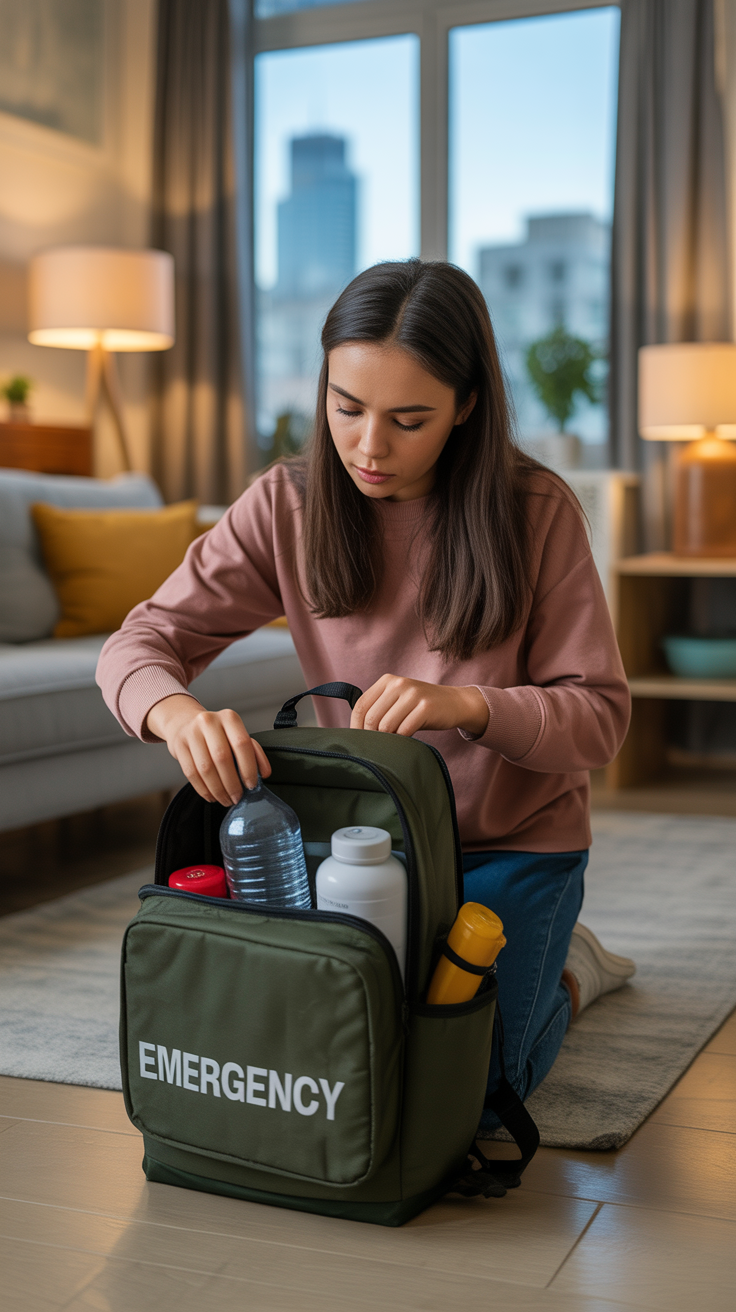
How to Prep for Emergencies When You Live in an Apartment
Living in an apartment can be convenient, affordable, and close to everything—but it also changes how you should think about preparedness. If you’ve ever wondered how to prep for emergencies when you live in an apartment, you’re not alone. Limited storage, building rules, shared utilities, and reliance on elevators or management can turn a “normal” emergency plan into something that needs to be more compact, flexible, and portable.
The goal isn’t to build a bunker in your closet. It’s to create a realistic plan for the emergencies most likely to affect apartment residents: power outages, water shutoffs, storms, extreme heat/cold, fires, civil unrest, and short-term supply disruptions. With the right systems—water, food, medical, communications, and evacuation—you can be ready without turning your home into a warehouse.
Core mindset for apartment emergency preparedness
Apartment preparedness starts with one principle: you’re preparing for interruptions, not the apocalypse. In most situations, you’ll be dealing with a temporary loss of power, water, heat/AC, or access. That means your plan should prioritize:
Portability and speed
You may need to move quickly (fire, gas leak, structural issue). Your essentials should be organized so you can grab them fast: a “go bag,” a small medical kit, and a folder of documents.
Redundancy within limitations
You can’t always store fuel or run loud equipment. So instead of “one big solution,” apartment preppers do better with layered backups: multiple ways to cook (where allowed), multiple water options, multiple light sources, and multiple communication methods.
Respect for building realities
You share walls, hallways, stairwells, utilities, and sometimes even water systems. Your plan should account for neighbors, management policies, and access restrictions—without relying on them.
Expert quote format:
“As emergency management guidance consistently emphasizes, the most resilient households are the ones that plan for the first 72 hours with practical, layered supplies and clear decision points.” In apartment terms, that means: be ready to shelter in place for several days, but also be able to evacuate quickly.
Water planning that actually works in apartments
Water is the fastest way an apartment emergency becomes miserable. City water can stop due to broken mains, contamination, power loss at pumping stations, or building-level maintenance. Even if water still runs, it may be unsafe after disasters.
How much water to store (realistically)
A common baseline is 1 gallon per person per day (drinking + basic hygiene). In apartments, full compliance can be tough, but you can still build a solid reserve by combining:
- A small stored supply you can rotate
- A treatment plan for unknown water
- A capture plan during outages (if safe/legal)
Apartment-friendly storage ideas
- Stackable water containers that fit under beds or in closets
- Bottled water cases rotated monthly/quarterly
- Collapsible containers for “fill when a storm is coming” scenarios
Treatment and backup supply
If you’re dealing with uncertain water quality, you need a way to make it safer. Many people rely on water purification methods, but in a space-limited apartment, a compact, “ready-to-go” approach is often easiest.
💡 Recommended Solution: SmartWaterBox
Best for: Apartment residents who want a simpler backup water plan
Why it works:
- Supports a layered approach when stored water runs low
- Helps you think through water continuity during disruptions
- Useful for planning without needing bulky hardware
Problem-solution bridge: Struggling with where to put weeks of water in a small apartment? Many residents use compact storage plus a structured backup plan, and tools like Water Freedom System can help you organize a water strategy that doesn’t depend on having a garage.
Water shutoff in the unit
If you can access it, locate your unit’s water shutoff (or learn how to request it quickly). In some emergencies (leaks, burst lines), stopping water quickly prevents major damage.
Food readiness without a pantry room
Apartment preparedness succeeds when food is shelf-stable, familiar, and easy to prepare with minimal utilities. You want calories, protein, comfort foods, and the ability to eat even if you can’t cook.
What to store: a practical mix
Aim for 7–14 days you’ll actually eat, then expand. Staples that work well in apartments:
- Ready-to-eat: tuna/chicken packets, nut butter, crackers, protein bars
- Shelf-stable meals: canned soups, chili, beans, pasta, jarred sauce
- Quick carbs: instant oats, rice cups, ramen (if water/heat available)
- Comfort + morale: coffee/tea, chocolate, electrolyte powder
Cooking constraints and safe alternatives
Building policies and fire codes matter. Some apartments restrict open flames on balconies or indoors. If you can’t cook, prioritize foods that are edible cold. If you can cook safely, keep it simple and ventilated.
Comparison/alternative: While stocking only canned food is popular, adding a deeper “knowledge-based pantry” can be a more flexible alternative—especially if you rotate foods. Resources like The Lost SuperFoods can be useful for building meal options that don’t rely on constant refrigeration.
Rotation system (so nothing expires unnoticed)
- Put newest items at the back, oldest up front
- Choose a monthly “use-up week” to rotate
- Track a few critical expiration dates on a simple note
Food for pets and special needs
Don’t forget:
- Pet food + collapsible bowl
- Baby formula/diapers
- Low-sodium or allergy-safe options
- Extra prescription-friendly snacks if meds require food
Power outages, lighting, and staying warm or cool
Apartment outages can be deceptively hard. Elevators stop, water pressure may drop, cell towers overload, and your unit can become dangerously hot or cold depending on the season.
Lighting and device charging
Your priorities:
- Hands-free light (headlamp)
- Area light (LED lantern)
- Battery plan (AA/AAA or rechargeable)
- Phone charging options (power banks)
Keep a “blackout bin” you can find in the dark: flashlight, batteries, lighter/matches (where permissible), and a printed checklist.
Temperature control strategies (no generator required)
Apartments often can’t run gas generators (and should not run them indoors ever). Instead:
For cold:
- Layer clothing, wool socks, hats
- Close off unused rooms
- Use blankets/sleeping bags rated for colder temps
- Hang towels/blankets at drafts (safely, away from heaters)
For heat:
- Hydrate early and often
- Block sun with curtains/reflective barriers
- Move airflow with battery fans
- Spend hottest hours in the coolest room (often interior)
Contextual inline mention: Many preparedness-minded renters rely on systems like the Energy Revolution System to think through off-grid style energy resilience concepts—even if they can’t install permanent hardware.
Elevator-out plan
If you live above the ground floor, plan for stairs:
- Keep a small “stairs bag” (water bottle, snack, headlamp)
- If mobility is an issue, coordinate with a trusted neighbor in advance
- Store heavier supplies lower (if possible) to reduce carry strain
Medical, sanitation, and indoor air safety
When services are disrupted, small problems become big ones: minor cuts get infected, toilets stop flushing, and smoke or poor air quality worsens asthma.
Build a medical kit you can actually use
Your apartment kit should cover:
- Bandages, gauze, antiseptic
- Gloves, tweezers, tape
- Pain relief, antihistamines, anti-diarrheals
- A thermometer
- 30+ days of prescriptions if possible (ask your provider/pharmacy about policy)
💡 Recommended Solution: Home Doctor
Best for: People who want a stronger at-home medical readiness plan
Why it works:
- Encourages practical first-response confidence
- Helps you think through common household emergencies
- Complements (not replaces) professional medical care
Sanitation during water loss
If water is out, toilets may not flush. Plan ahead:
- Heavy-duty trash bags
- Baby wipes / body wipes
- Hand sanitizer + soap (when water returns)
- A simple “waste plan” (even if it’s just short-term containment until services return)
Also: keep paper plates, cups, and utensils to reduce dishwashing needs.
Air quality and smoke
Apartment buildings can funnel smoke (wildfire smoke outside, or smoke from a unit fire). Consider:
- Sealing gaps around windows/doors (temporary)
- Having quality masks available
- Knowing your building’s evacuation routes
Expert quote format:
“As many public health agencies note, indoor air can become more hazardous than outdoor air during smoke events if you don’t reduce infiltration and limit indoor pollutants.” Avoid burning candles excessively, and never use outdoor cooking devices indoors.
Evacuation planning when you don’t control the building
A big apartment advantage is that you’re often near services, but the downside is you rely on shared corridors and management action. Your evacuation plan should assume:
- The nearest exit is blocked
- Elevators are down
- You might not be allowed back in quickly
Your go bag (apartment edition)
Keep it reasonably light. Essentials:
- Water + snack bars
- Copies of IDs, insurance, lease, emergency contacts
- Basic first aid + meds
- Phone charger + power bank
- Headlamp
- Cash (small bills)
- Keys (unit, mailbox, car)
Store the bag near the door, not buried in a closet.
Documents and home inventory
Take photos/videos of:
- Electronics, jewelry, bikes, furniture
- Serial numbers where possible
- The inside of closets and cabinets
Back it up to cloud storage. If you have renter’s insurance, this makes claims far easier.
Meeting points and communication
Choose:
- One nearby meetup point (same neighborhood)
- One out-of-area contact person everyone can text/call
- A “status message” format (“I’m safe, I’m at ___, next step is ___”)
Problem-solution bridge: If you’re unsure what to do when systems fail—cell service spotty, rumors everywhere—tools like URBAN Survival Code can help you build a clearer decision framework for city-specific disruptions.
Safety, security, and community in close quarters
Emergencies in apartments are social. You share hallways, noise, smells, and sometimes fear. Security is partly physical and partly behavioral.
Practical apartment security steps
- Keep door and window locks maintained
- Use a peephole or door viewer properly
- Know who “belongs” on your floor (casual familiarity)
- Avoid advertising supplies (boxes, social posts, hallway chatter)
Fire safety matters more in apartments
This is the #1 event where seconds count:
- Confirm working smoke alarms (test monthly)
- Know where extinguishers are (unit or hall)
- Practice getting to stairs quickly
- Don’t store clutter in exit paths
If you have a balcony, follow building rules strictly—balcony storage and grills can become hazards.
Build a small mutual-aid circle
You don’t need a “prepper group.” You need:
- One neighbor who can check on you
- One neighbor you can check on
- A shared plan for kids/pets during evacuations
- A simple “if X happens, we text Y” agreement
Case study/example (general): In many real-world outages, residents who coordinated informally—sharing updates, checking on elderly neighbors, pooling tools—stayed calmer and recovered faster than those who tried to do everything alone.
Contextual inline mention: For those who want to think more like a resilient neighborhood, not just a single unit, resources like BlackOps Elite Strategies are often used as brainstorming material for building layered personal security and readiness habits.
Building your apartment emergency kit without wasting money
Preparedness doesn’t have to be expensive, but it does need to be intentional. The most common mistake is buying random gear and forgetting the basics (water, food, meds, light, and a plan).
The “zones” approach (so supplies don’t sprawl)
Create three compact zones:
- Everyday zone (kitchen/closet): pantry items, water, wipes
- Blackout zone (one bin): lights, batteries, chargers, radio
- Go zone (by door): go bag + documents
Label bins clearly. Store heavy items low. Keep everything accessible without moving ten other things.
Tools & resources list (presented equally)
If you want structured guidance to round out your plan, here are a few resources that fit apartment realities:
- SmartWaterBox — helpful for organizing a backup water strategy
- Home Doctor — strengthens household medical readiness thinking
- URBAN Survival Code — practical framework for city/apartment disruptions
Avoid common apartment-prep mistakes
- Storing everything in one hard-to-reach place
- Buying gear that violates lease/fire code
- Ignoring water because “it always works”
- Relying on elevators to evacuate
- Forgetting a plan for pets, meds, and documents
Comparison/alternative: While a traditional generator is a popular preparedness symbol, many apartment dwellers do better focusing on energy reduction + small backup power + heat/cool strategies. If you’re exploring broader resilience concepts, the Ultimate OFF-GRID Generator may be a useful reference point for off-grid thinking—just be sure any solution you use fits apartment rules and safety requirements.
Conclusion
Learning how to prep for emergencies when you live in an apartment is mostly about smart constraints: limited space, shared infrastructure, and the possibility of fast evacuation. Focus first on water, food, lighting, medications, and a simple plan. Then add layers: sanitation, communications, temperature control, and neighbor coordination.
You don’t need a massive stockpile to be ready. You need a calm, organized system that works on your worst day: one that helps you shelter in place for a few days, and also lets you leave safely if you must. Start with one bin, one bag, and one weekend of preparation—then improve one small piece each month.
FAQ
How much water should I store in an apartment for emergencies?
A practical baseline is 1 gallon per person per day for at least 3 days, then expand toward 7–14 days if space allows. Many apartment residents combine a modest stored supply with a backup plan like SmartWaterBox to avoid relying on huge containers.
What are the most likely emergencies for apartment residents?
Common apartment disruptions include power outages, water shutoffs, severe weather, building fires, HVAC failures during extreme heat/cold, and short-term supply interruptions. Your plan should prioritize fast evacuation readiness plus short-term shelter-in-place comfort.
How do I prep for emergencies when I live in an apartment with very little storage?
Use a “zones” system: one blackout bin, one go bag, and under-bed storage for water/food. Choose shelf-stable foods you already eat, stackable containers, and compact hygiene supplies to avoid clutter.
What should be in an apartment go bag?
Include water, snacks, copies of IDs and key documents, essential medications, phone charger/power bank, headlamp, cash, and keys. Keep it near the door so you can grab it quickly during fire alarms or urgent evacuations.
Is it safe to use a generator in an apartment during a blackout?
In general, fuel-burning generators must never be used indoors due to carbon monoxide risk, and many apartments prohibit them entirely. Apartment-friendly power planning usually means power banks, safe lighting, and reducing energy needs rather than trying to run high-draw appliances.
RANK MATH SEO BLOCK
SEO Title (≤60 chars): Apartment Emergency Prep: Simple Plan That Works
Meta Description (≤160 chars): Learn how to prep for emergencies when you live in an apartment with practical water, food, power, medical, and evacuation steps.
URL Slug: apartment-emergency-prep
Focus Keyword: How to Prep for Emergencies When You Live in an Apartment
Suggested Schema Type: FAQ