
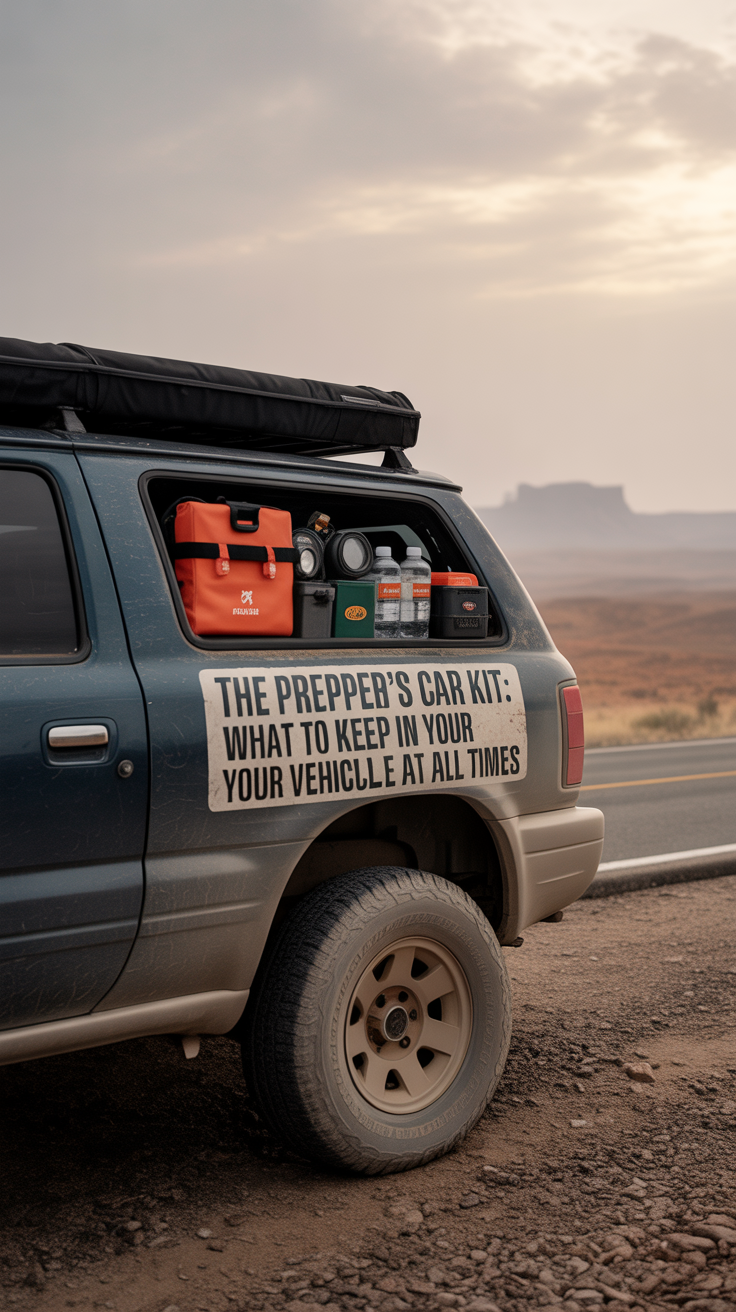
The Prepper’s Car Kit: What to Keep in Your Vehicle at All Times
A reliable vehicle can turn into a lifeline—or a liability—depending on what you keep inside it. The Prepper’s Car Kit: What to Keep in Your Vehicle at All Times isn’t about paranoia or filling your trunk with gear you’ll never use. It’s about planning for the most common ways drivers get stuck: dead batteries, flat tires, sudden weather changes, road closures, grid outages, getting lost without signal, minor injuries, and long waits for help.
A well-built car kit gives you three big advantages: time, options, and comfort. Time to make better decisions. Options when your original plan fails. Comfort that keeps small problems from spiraling into dangerous ones. The goal is a practical system you can maintain year-round, tailor to your climate, and actually use under stress.
Vehicle realities and the most likely emergencies
Most driving “emergencies” aren’t cinematic. They’re routine disruptions that become serious when you’re unprepared or far from help.
Common scenarios your kit should cover
- Breakdowns and dead batteries: especially in cold weather or with aging batteries.
- Flat tires and blowouts: including situations where your spare is low or missing.
- Weather events: sudden snow, flash floods, extreme heat, wildfire smoke, or icy rain.
- Traffic standstills and road closures: construction, crashes, evacuations, border delays.
- Navigation and communication gaps: no cell service, drained phone, overloaded networks.
- Minor injuries: cuts, burns, sprains, headaches, allergic reactions.
- Personal security concerns: being stranded at night, in unfamiliar areas, or during unrest.
The preparedness priority triad
Think in layers:
- Keep the car functional: maintenance + tools to fix common failures.
- Keep the driver safe: visibility, shelter, warmth/cooling, first aid, lighting.
- Keep moving or wait smart: navigation, comms, power, hydration, calories, hygiene.
You’re not building an apocalypse trunk. You’re building resilience for the exact moment you’re cold, tired, and deciding whether to stay put or move.
The foundation: maintenance items that prevent emergencies
The best “prep” is not needing your kit. Basic preventive maintenance reduces 80% of vehicle failure scenarios.
Keep these topped off and checked
- Fuel: don’t routinely drop below 1/4 tank. In winter, treat 1/2 tank as “empty.”
- Tires: pressure monthly (including spare). Check tread depth and sidewall cracks.
- Battery health: test before winter; replace proactively if weak.
- Fluids: oil, coolant, windshield washer fluid, brake fluid (as applicable).
- Wipers and washer system: visibility is safety.
Keep these in the vehicle (maintenance micro-kit)
- Tire pressure gauge
- Compact air compressor (12V)
- Quality jumper cables or a jump starter (charge it monthly)
- Basic tool roll: screwdrivers, adjustable wrench, pliers, utility knife
- Duct tape + electrical tape
- Zip ties + bungee cords
- Work gloves
- Rags/shop towels
- Spare fuses matched to your vehicle
- Small bottle of windshield washer fluid
If you only do one upgrade, prioritize tire inflation and battery recovery. Those are the two failure modes that strand people most often.
Water and hydration: the hardest “simple” problem
Water is heavy, freezes in cold climates, and degrades with heat cycles—yet dehydration can affect judgment faster than most people realize.
How much water to keep
A practical baseline:
- At least 1 liter per person for short delays.
- Ideally 2–4 liters per person if you commute through rural stretches, deserts, or snow belts.
Storage tips that actually work
- Use small bottles (500ml–1L). They’re easier to rotate and less likely to burst.
- In freezing climates, leave air space in rigid bottles or store water inside the cabin rather than the trunk.
- Rotate every 2–3 months if your car sees extreme heat.
Backup water strategy (not just bottles)
A “water problem” in a vehicle isn’t only thirst—it’s being stuck longer than expected or needing safe water after an incident. Many preparedness-minded drivers maintain a home-based buffer so that vehicle rotation is easy and you’re never “behind” on water readiness.
💡 Recommended Solution: SmartWaterBox
Best for: building a reliable water reserve you can rotate into vehicle bottles
Why it works:
- Helps support a structured water storage habit
- Useful for households that want a dedicated emergency-water plan
- Encourages rotation and redundancy so your car kit isn’t the only water source
Expert quote format:
“As many preparedness instructors emphasize, ‘SmartWaterBox helps people stop relying on last-minute water runs by building a more consistent reserve.’”
If you want a second “water layer” that complements storage, consider systems designed to generate or secure water at home and reduce pressure on your vehicle stock.
Many professionals rely on tools like Water Freedom System to streamline long-term water planning as part of a broader emergency readiness approach.
Food and calories: stable fuel for long waits
Most people don’t need a week of food in a trunk. You need calories that survive heat, don’t crumble into dust, and won’t trigger thirst.
What to store (simple and effective)
- Protein bars with decent shelf life (rotate)
- Nuts/trail mix (watch heat and rancidity; rotate quarterly)
- Beef jerky or meat sticks (rotate)
- Crackers or compact carbs
- Electrolyte packets (especially in heat or if you’re sweating while digging out)
Considerations by climate
- Hot vehicles: chocolate melts; some bars separate; oils go rancid faster. Choose heat-tolerant options and rotate more often.
- Cold vehicles: food is fine, but packaging can get brittle.
Rotation system that prevents waste
Use a “gas station rule”: if you wouldn’t want to eat it after it sat in a hot car for a month, don’t store it. Mark your items with a small piece of tape and a rotation date so you actually swap them.
Problem-solution bridge:
Struggling with building food redundancy beyond a few car snacks? The Lost SuperFoods supports a broader pantry strategy so your vehicle kit becomes a layer rather than your only plan—especially useful if you want shelf-stable options and a more systematic approach.
Warmth, shelter, and clothing: your real “survival gear”
If you get stranded in winter, your biggest immediate risk can be exposure, not hunger. If you get stranded in summer, it can be heat stress. Clothing and basic shelter often matter more than “tactical” tools.
Cold-weather essentials
- Wool or heavy socks (2 pairs)
- Warm hat + gloves (insulated, not fashion)
- Base layer top (synthetic/wool)
- Compact sleeping bag or insulated blanket
- Mylar emergency blanket (backup, not primary)
- Hand warmers (chemical; rotate)
Heat and sun essentials
- Shade: compact tarp, reflective sunshade, or emergency bivy used as shade
- Sun hat + sunscreen
- Electrolytes + extra water
- Cooling towel (optional but useful)
Shelter and visibility
- High-visibility vest
- Reflective triangles or LED road flares (safer than fire flares in dry/windy conditions)
- Poncho or rain jacket
Comparison/alternative style:
While Mylar blankets are popular because they’re cheap and tiny, a real insulated blanket or compact sleeping bag is a more dependable option for staying warm when you’re stuck for hours.
First aid, hygiene, and medications: small problems stay small
A vehicle is an awkward place to deal with discomfort, minor wounds, or illness. Your kit should handle the “annoying stuff” that becomes debilitating.
Practical car first aid kit contents
- Assorted bandages + gauze + medical tape
- Antiseptic wipes
- Tweezers (splinters/ticks)
- Nitrile gloves
- Trauma shears
- Elastic wrap bandage (sprains)
- Burn gel or burn dressing
- Instant cold pack
- Eye wash or saline (travel size)
Medications and personal needs
- Pain reliever (rotate)
- Antihistamine (allergies)
- Anti-diarrheal tablets
- Any critical prescriptions (as feasible and safe)
- Spare glasses/contact supplies
- Inhaler/EpiPen if prescribed (be mindful of temperature storage requirements)
Hygiene and “comfort insurance”
- Baby wipes
- Hand sanitizer
- Tissue/toilet paper (in a zip bag)
- Feminine hygiene supplies
- Small trash bags
- Microfiber towel
- Toothbrush kit (optional but morale-boosting)
Contextual inline mention:
If you’re building a more complete health-readiness plan that goes beyond a basic car kit, many people keep resources like Home Doctor on hand to support decision-making when professional help is delayed.
Tools, power, light, and navigation: staying capable when systems fail
When you’re stranded, you’re often solving three problems: see, signal, and power your essentials.
Lighting that works every time
- Headlamp (hands-free)
- Backup flashlight
- Spare batteries or rechargeable spares
- Glow sticks (safe inside vehicle, long shelf life)
Power and charging
- 12V USB charger (keep it plugged in)
- Power bank (charge monthly)
- Charging cables for all devices
- Optional: small inverter if you need laptop power
Navigation and communication
- Paper map of your region (yes, still)
- Written emergency contacts (don’t rely on your phone)
- Small notepad + permanent marker
- Whistle (simple signaling tool)
Recovery and utility tools
- Multitool
- Folding shovel (snow, mud, traction work)
- Traction aids: sand, cat litter, or traction boards (regional)
- Tow strap (if you know proper recovery points and safe use)
- Window breaker/seatbelt cutter (stored within reach)
Expert quote format:
“As roadside safety educators often note, ‘A headlamp is the most reliable “do-more” tool in a car kit—because it turns every other tool into something you can use in the dark.’”
Security, situational awareness, and “urban” realities
Preparedness includes avoiding trouble—not looking for it. Your kit should support calm decision-making and safe waiting, especially in cities or during disruptions.
Passive security and safety items
- Locking storage bin for valuables (reduces smash-and-grab temptation)
- Spare cash in small bills
- Door wedge (useful if sheltering in a hotel or unfamiliar place)
- Pepper spray where legal and trained (check local laws)
- Bright flashlight (also a deterrent and signaling device)
Habits that matter more than gear
- Park in well-lit areas.
- Keep your phone charged.
- If you feel unsafe, stay in the vehicle with doors locked and call for help—unless remaining creates a greater risk (fire, flooding, etc.).
- Don’t advertise your kit with tactical patches or visible bins.
Problem-solution bridge:
If your main risk is commuting through dense areas, disruptions, or civil instability, URBAN Survival Code is often used as a structured resource to help people think through “what if I can’t get home” planning without relying solely on gear.
Comparison/alternative style:
Where generic “survival tips” can be too broad, BlackOps Elite Strategies is positioned as a more focused alternative for readers who want a framework for decision-making and readiness under pressure.
Packing, organization, and seasonal rotation that you’ll actually maintain
A prepper’s car kit fails when it becomes a messy trunk pile you can’t find in the dark. Organization is a force multiplier.
The simplest organization system
Use 3 modules:
Driver-access module (cabin):
- First aid basics
- Flashlight/headlamp
- Glass breaker/seatbelt cutter
- Phone charger
- Water bottle
- Gloves
Roadside/repair module (trunk):
- Tire tools, inflator, jump kit
- Basic tools, tape, zip ties
- Reflective triangles, vest
Sustainment module (trunk, sealed):
- Clothing layers, blanket/sleeping bag
- Food + electrolytes
- Hygiene kit
- Backup power banking
Storage best practices
- Use labeled zip pouches or packing cubes.
- Choose hard-sided bins for crush protection.
- Keep liquids in secondary containment (another bag).
- Avoid storing high-theft items in plain sight.
Seasonal swap checklist (15-minute routine)
- Winter: add scraper, snow brush, shovel, extra gloves, hand warmers, traction aids.
- Summer: add extra water, sunscreen, electrolyte packets, cooling towel, shade tarp.
- All year: check batteries, rotate food, test power bank, inspect first aid supplies.
Case study/example (general, non-specific):
Drivers who adopt a simple 3-module setup often report they can find critical items (light, gloves, medical) in seconds instead of digging through a trunk—especially at night or in heavy rain.
Tools & resources to strengthen your overall plan
A car kit is one layer. Your home base is another. If you want to build deeper resilience so the vehicle kit is never your only lifeline:
- SmartWaterBox – supports structured home water readiness and rotation
- The Lost SuperFoods – supports broader pantry planning so your “car calories” aren’t the whole plan
- Home Doctor – supports basic home medical readiness when services are delayed
Conclusion
The Prepper’s Car Kit: What to Keep in Your Vehicle at All Times is ultimately a system for staying calm, capable, and mobile when the unexpected happens. Prioritize the items that keep your vehicle running (battery and tires), keep your body safe (warmth, water, first aid), and keep you functional (light, power, navigation). Then organize it into modules and rotate it seasonally so it remains reliable.
Preparedness doesn’t have to be extreme. It has to be maintained. Start with the essentials you’ll use on an ordinary bad day—then build outward so a breakdown, storm, or grid hiccup becomes an inconvenience instead of a crisis.
FAQ
What should be in a prepper car kit at all times?
At minimum: water, shelf-stable snacks, a first aid kit, headlamp/flashlight, phone charging options, warm layer/blanket, gloves, basic tools, tire inflator, and jumper cables or a jump starter—plus reflective triangles/vest for roadside safety.
How much water should I keep in my car for emergencies?
A practical baseline is 1 liter per person, with 2–4 liters per person if you regularly drive rural routes, desert heat, or winter conditions. Use smaller bottles and rotate on a schedule to handle heat cycling and freezing risks.
How do I keep my prepper car kit from becoming cluttered?
Use a 3-module setup: driver-access items in the cabin, roadside repair gear in the trunk, and sustainment supplies (food/clothing/hygiene) in a sealed bin. Label pouches so you can find items quickly under stress.
What changes should I make to my car kit for winter?
Add a snow brush/ice scraper, small shovel, traction aids, extra gloves and socks, hand warmers, and a warmer blanket or compact sleeping bag. Also test your battery and check tire condition before winter.
Should I store survival gear in my car long-term?
Yes, but choose heat- and cold-tolerant items, avoid storing valuables in plain sight, and rotate consumables. The key is maintenance: check batteries, power banks, food, and water at least seasonally.
RANK MATH SEO BLOCK
SEO Title (≤60 chars): Prepper’s Car Kit: What to Keep in Your Vehicle Always
Meta Description (≤160 chars): The Prepper’s Car Kit: What to Keep in Your Vehicle at All Times—water, tools, first aid, warmth, power, and packing tips for every season.
URL Slug: preppers-car-kit-what-to-keep-in-your-vehicle
Focus Keyword: The Prepper’s Car Kit: What to Keep in Your Vehicle at All Times
Suggested Schema Type: FAQ