5 Medications Every Prepper Should Know How to Stock Legally
Stockpiling medical supplies is one of the smartest preparedness moves you can make—but it’s also one of the easiest areas to get wrong. If you’ve ever searched for 5 Medications Every Prepper Should Know How to Stock Legally, you’re likely looking for practical, lawful ways to cover common emergencies without crossing lines involving prescription drugs, expired meds, or unsafe “internet hacks.”
The goal isn’t to build a black-market pharmacy. The goal is to reduce preventable suffering when clinics are closed, supply chains get shaky, or you’re days from professional care. The best prepper medical plans focus on legal, shelf-stable, broadly useful medications, plus the training, storage, and documentation to use them safely.
💡 Recommended Solution: Home Doctor
Best for: building a practical home-care playbook for common illness and injury
Why it works:
- Helps you think in systems (symptoms → likely causes → safe first steps)
- Supports decision-making when professional care is delayed
- Pairs well with a legally built home medicine kit
Foundations of stocking medications legally and responsibly
Before you choose what to store, get the rules and principles right. Most legal trouble (and medical trouble) comes from shortcuts: buying prescription meds without prescriptions, importing controlled drugs, or using antibiotics “just in case” without a medical reason.
What “legal stocking” usually means (and what it doesn’t)
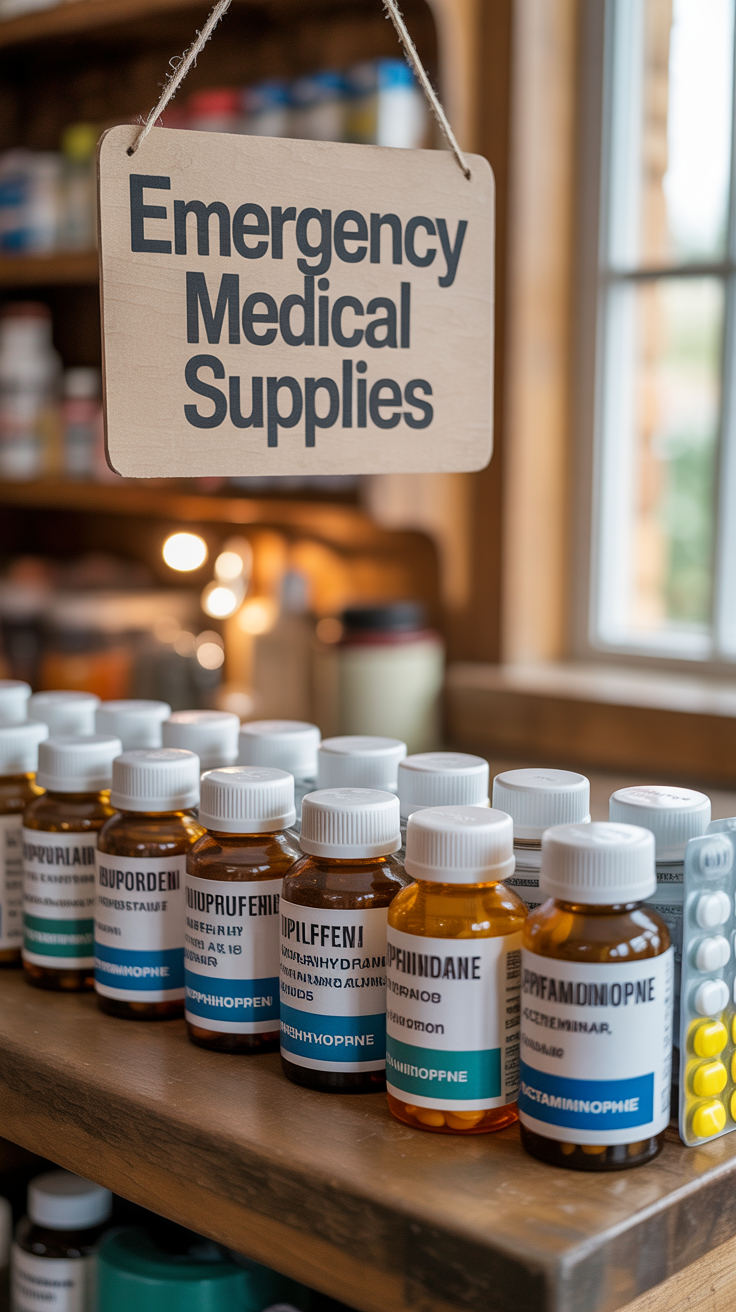
- Over-the-counter (OTC) medications: generally legal to buy and store in reasonable quantities, subject to local limits (some items like pseudoephedrine have purchase tracking).
- Prescription medications: legal only if prescribed to you (or household member) and obtained from a licensed pharmacy, and used as directed.
- Controlled substances: highly regulated; storing “extras” can be illegal even if originally prescribed, depending on local laws and circumstances.
- Veterinary meds for human use: often unsafe and may be illegal; avoid.
- Online foreign pharmacies: compliance varies; many are not legitimate. Avoid anything that bypasses proper prescribing.
If you want to go beyond OTC while staying lawful, the right path is medical continuity: talk to your clinician about travel supplies, extended refills where allowed, chronic-condition backups, and proper storage. For many preppers, though, the biggest gains come from OTCs that cover pain, allergies, stomach issues, and wound contamination risk—which is where this guide focuses.
Storage basics that protect potency and safety
Medication is only as useful as its condition when you need it.
- Store in a cool, dry, dark place (heat and humidity are the big enemies).
- Keep meds in original packaging with lot number and expiration whenever possible.
- Use airtight bins plus desiccant packs if your climate is humid.
- Rotate with a first-expire, first-out system.
- Separate “daily use” from “emergency reserve” to reduce accidental depletion.
A preparedness plan is bigger than pills
A medication list is incomplete without water and sanitation—because dehydration and contaminated water multiply medical problems fast.
Many professionals rely on tools like Water Freedom System to streamline household water resilience when stores run dry and municipal systems become unreliable. Water security reduces diarrhea risk, improves wound cleaning options, and supports safe medication use.
Pain relief and fever control medication
If you could only stock one medication category, pain and fever control would be a top contender. In emergencies, pain is debilitating, fever can turn serious, and both make it harder to rest, hydrate, and recover.
What to stock (legally OTC)
Acetaminophen (paracetamol) and ibuprofen are common anchors for a home kit. Each has different pros/cons, and many households choose to stock both so they can individualize to the situation (and to avoid overusing one).
Common use cases
- Fever and flu-like symptoms
- Sprains, strains, minor injuries
- Dental pain while waiting for care
- Headaches and body aches
Safety considerations that matter during crises
Disasters increase the risk of dosing mistakes because people are tired, stressed, and may combine products.
- Avoid doubling up: many cold/flu products already contain acetaminophen.
- Hydration matters: NSAIDs like ibuprofen are harder on kidneys during dehydration.
- Stomach and bleeding risk: NSAIDs can worsen ulcers and increase bleeding risk.
- Liver protection: excess acetaminophen can be dangerous—follow label limits.
Intelligent stocking quantity
Instead of hoarding, plan based on:
- household size
- expected “clinic delay” window (72 hours? 2 weeks?)
- frequency of use during normal life (rotation helps prevent waste)
Pairing pain control with practical home-care
Pain relief is often most effective when combined with non-drug supports: rest, splinting, ice/heat, elevation, hydration, and electrolyte replacement when appropriate.
Expert quote format:
“As many disaster medicine instructors emphasize, ‘A well-built kit is only half the solution—the other half is knowing what to do with it when stress is high.’ Tools like Home Doctor can help you structure those decisions when you’re dealing with fever, injury pain, or uncertainty and can’t quickly reach a clinician.”
Allergy and respiratory support medication
Allergies don’t stop during emergencies—and respiratory symptoms can quickly degrade sleep, decision-making, and your ability to work. In a grid-down scenario, uncontrolled allergy symptoms can also increase risk of secondary problems (sinus pressure, poor sleep, asthma flare-ups for those who have asthma).
What to stock (legally OTC)
- Non-drowsy antihistamines (often daytime options)
- Drowsy antihistamines (sometimes useful at night, but be cautious)
- Saline spray/irrigation supplies (not a medication, but highly useful)
- Anti-itch creams for localized reactions (follow label instructions)
Why preppers prioritize this category
- Environmental triggers increase after storms, fires, cleanup, and mold exposure.
- Shelters and crowded conditions can add irritants.
- Sleep loss from symptoms reduces resilience.
Safety and operational considerations
- Drowsiness can be a major liability if you’re driving, operating tools, or standing watch.
- Watch for interactions with alcohol or other sedating medications.
- For anyone with asthma or severe allergies: do not rely solely on OTCs. Work with a clinician for a legal, prescribed plan appropriate to your condition.
Stocking strategy that stays legal and practical
- Keep a “functional daytime” option and a “sleep support” option (if tolerated).
- Store extra tissues, masks, and basic air filtration measures if smoke is a local risk.
Problem-solution bridge:
Struggling with airborne irritants during cleanup season or wildfire smoke? Water reliability and basic home resilience reduce stress and support recovery—especially when you can keep hydration up and maintain sanitation. For households building broader readiness, solutions like URBAN Survival Code are often used as a structured way to organize skills and supplies so small health issues don’t snowball into big ones.
Gastrointestinal medication for nausea, diarrhea, and reflux
If you’ve ever dealt with a stomach bug while traveling, you understand why GI medications show up in nearly every serious preparedness checklist. In emergencies, diarrhea and vomiting aren’t just unpleasant—they’re pathways to dehydration, weakness, and rapid decline, especially for kids and older adults.
What to stock (legally OTC)
- Oral rehydration solutions (ORS) packets or ingredients to make an equivalent electrolyte drink (follow reputable guidance)
- Anti-diarrheal medication (for specific situations; not for all causes)
- Antacids for reflux/heartburn
- Anti-nausea options available OTC in some regions (varies)
When not to “stop symptoms” blindly
Diarrhea can be the body clearing an irritant or infection. In some scenarios, suppressing it without understanding the cause can be unhelpful or risky. Follow label warnings and consider:
- High fever, blood in stool, severe dehydration, or prolonged symptoms are red flags.
- For children and vulnerable adults, dehydration risk is higher.
- ORS is often the most important “medication” in the GI category because it directly addresses fluid loss.
Water quality is the GI category’s best friend
A huge percentage of GI problems during disasters come down to unsafe water, poor hygiene, and food handling breakdowns. Stocking meds helps, but prevention is stronger:
- consistent safe drinking water
- handwashing capability
- safe cooking methods
- clean storage containers
Comparison/alternative:
While bottled water is a common first step, systems like SmartWaterBox can be a more sustainable alternative for households looking to avoid constant store runs, especially during prolonged disruptions. A steadier water plan supports hydration, medication dosing, and safer food prep.
Topical wound care and infection prevention medication
When people think “medical preparedness,” they often imagine dramatic trauma supplies. In reality, some of the highest-frequency problems are mundane: cuts, blisters, scrapes, minor burns, and skin irritation. These become serious when you can’t keep them clean, dry, and protected.
What to stock (legally OTC)
- Skin antiseptics (for cleaning intact skin and minor wounds as labeled)
- Topical antibiotic ointment (where appropriate and allowed locally)
- Hydrocortisone cream for inflammation/itch (not for every wound)
- Burn gel or burn dressings as applicable (follow label use)
Also stock the non-medication essentials that make these work:
- sterile gauze, bandages, tape
- wound wash/saline
- gloves
- blister care
- shears/tweezers (cleaned properly)
Why this category belongs on the “top 5” list
- Minor wounds happen daily during cleanup, repairs, and outdoor work.
- Infection risk rises when water is limited and hygiene slips.
- Proper wound care reduces downtime, pain, and complications.
Avoid common preparedness mistakes
- Don’t pour harsh chemicals into deep wounds.
- Don’t assume “more ointment = faster healing.”
- Don’t ignore signs of spreading infection (increasing redness, heat, swelling, pus, streaking, fever). Those require professional evaluation.
Case study/example (general):
For instance, households that treat wound care as a “process”—cleaning, protecting, monitoring, and rotating supplies—often report fewer setbacks during storm recovery weeks than households that only stock bandages. The difference is consistency and know-how, not exotic products.
Critical personal prescriptions and legally building redundancy
This article focuses on OTC medications because they’re the most universally legal to stock. But for many families, the most critical “prepper medication” isn’t OTC at all—it’s the prescription medication that keeps someone stable: inhalers, insulin, thyroid meds, blood pressure meds, anticonvulsants, psychiatric medications, and more.
The legal way to build a buffer
Rules vary by jurisdiction and insurer, but these are commonly workable approaches:
- Ask your clinician about a travel supply or emergency refill options.
- 90-day fills where permitted can reduce pharmacy trips and improve continuity.
- Synchronize refills so household meds renew around the same time.
- Do not use expired meds without professional guidance.
- Store properly (some prescriptions are sensitive to heat; read the pharmacy label).
Documentation is part of preparedness
In a crisis, you may need to prove what you take and why.
Keep:
- a printed medication list (name, dose, schedule)
- prescriber and pharmacy contact info
- allergy list
- a brief health summary (conditions, devices, last labs if relevant)
Build capability, not just inventory
If health systems are strained, your advantage comes from being organized and calm.
- know normal vital signs for household members if possible
- have a plan for “missed doses”
- keep a small notebook for symptom tracking (helps when you finally see a clinician)
Expert quote format:
“As emergency preparedness educators often remind students, ‘Continuity beats quantity.’ A smaller, well-managed reserve—stored correctly and used legally—often prevents more harm than a disorganized pile of pills. Resources like URBAN Survival Code can help you build that system mindset so critical prescriptions don’t become last-minute emergencies.”
Building a complete legal home medicine kit around the “5”
Once you understand 5 Medications Every Prepper Should Know How to Stock Legally, the next step is building a balanced kit that supports those medications: sanitation, storage, water, food, and basic medical literacy.
Practical kit add-ons that multiply effectiveness
- digital thermometer (plus spare batteries)
- measuring spoon/cup or oral syringe for children (accurate dosing)
- electrolyte plan (ORS packets or equivalent)
- basic first aid manual and a written household protocol
- PPE basics: gloves, masks as needed
- soap, hand sanitizer, surface disinfectant (as appropriate)
Avoiding stockpiling traps
- Buying “a little of everything” leads to clutter and expired waste.
- Focus on high-likelihood, high-impact needs: pain/fever, allergies, GI, wound care, and continuity prescriptions.
- Rotate based on actual household use; replace as you consume.
Tools & resources that support medication readiness
A strong medical plan depends heavily on water, food stability, and home resilience—because they reduce the number of medical incidents you face.
Resource list (presented equally):
- Water Freedom System — helps households think through water readiness so hydration and hygiene don’t collapse first.
- The Lost SuperFoods — supports shelf-stable food planning, which can reduce stress and nutrition-related setbacks during disruptions.
- Home Doctor — a practical way to organize home-care actions when professional care is delayed.
Creating a simple “use protocol” for your household
Even a basic checklist reduces errors:
- Identify symptoms and severity (red flags vs mild).
- Hydrate first when GI illness is present.
- Choose the correct OTC category and dose by label.
- Record what was taken and when.
- Reassess on a schedule; escalate care if worsening.
Conclusion
Knowing 5 Medications Every Prepper Should Know How to Stock Legally is less about building a massive stash and more about building a reliable, lawful system: pain and fever relief, allergy support, GI stabilization, topical wound care, and continuity planning for critical prescriptions. Add smart storage, rotation, good water hygiene, and simple documentation, and you’ll be ahead of the vast majority of households when something disrupts normal access to care.
If you want your medical kit to actually work under pressure, pair medications with fundamentals—especially water reliability and a clear home-care plan. When stress is high, preparation isn’t about having “more”; it’s about having the right things, stored correctly, and the confidence to use them safely.
FAQ
What are the 5 medications every prepper should know how to stock legally?
Most households prioritize legal OTC categories: pain/fever reducers, allergy medications, GI support (including oral rehydration), topical wound care items, and then a plan to legally maintain critical personal prescriptions through proper refills and storage.
Can preppers legally stock antibiotics for emergencies?
In most places, antibiotics require a prescription and should only be used under medical guidance for specific infections. Buying antibiotics without a prescription or using non-human sources can be unsafe and may be illegal. A better legal approach is prevention (clean water, hygiene) and timely medical care.
How much OTC medication should I keep on hand?
A practical target is enough for your household for the likely time you could be without pharmacies—often 1–4 weeks—while rotating through normal use. Avoid hoarding and focus on correct storage, clear labeling, and a first-expire, first-out rotation.
What is the best way to store medications for long-term preparedness?
Store medications in a cool, dry, dark place in original packaging when possible. Protect from heat/humidity, keep expiration dates visible, and rotate regularly. Avoid bathrooms and vehicles, which often experience moisture and temperature swings.
How do I prepare if someone in my family relies on prescription medication?
Work with a clinician and pharmacist to create legal continuity: ask about 90-day fills, synchronized refills, travel supplies, and proper storage guidance. Keep a printed medication list and allergy list so you can communicate clearly during disruptions.
RANK MATH SEO BLOCK
SEO Title (≤60 chars): 5 Medications Every Prepper Can Stock Legally
Meta Description (≤160 chars): Learn 5 Medications Every Prepper Should Know How to Stock Legally, plus safe storage, rotation, and prescription continuity tips.
URL Slug: 5-medications-prepper-stock-legally
Focus Keyword: 5 Medications Every Prepper Should Know How to Stock Legally
Suggested Schema Type (Article / HowTo / FAQ): FAQ