
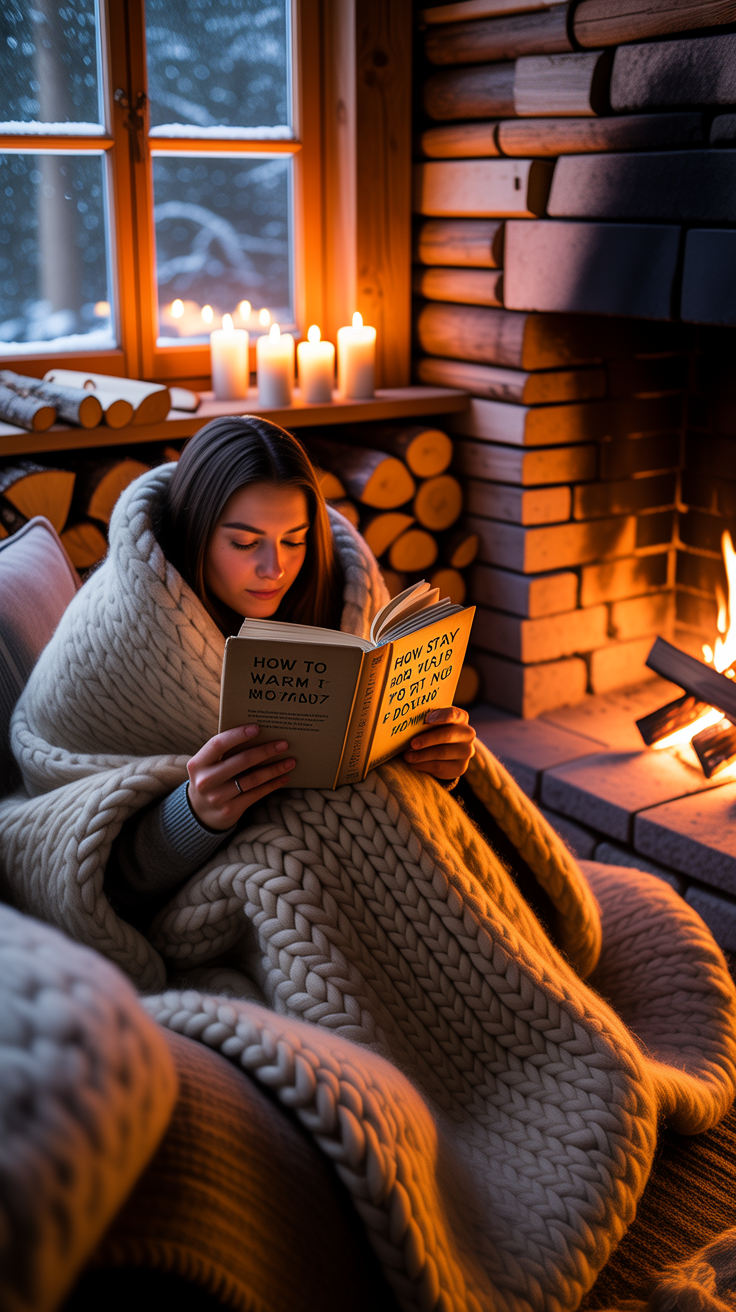
How to Stay Warm for 7 Days With No Heat and No Power
When the grid goes down in winter, comfort becomes survival fast. Knowing how to stay warm for 7 days with no heat and no power isn’t about one magic gadget—it’s a layered plan: reduce heat loss, create safe micro-heat, manage moisture, and protect sleep. The good news: you can do a lot with what you already have, and you can prepare the rest with a realistic checklist.
This guide walks you through a practical week-long approach that works in apartments, houses, and rural homes—without relying on electricity or central heat. You’ll learn how to set up a warm room, insulate windows the right way, use body-heat strategies safely, cook without freezing your kitchen, and avoid common hypothermia mistakes.
Core priorities for a 7-day no-heat situation
Before the day-by-day approach, anchor on four principles that keep people alive and functional in cold indoor conditions:
Heat loss is the enemy
Your body loses heat through:
- Conduction (contact with cold floors/walls)
- Convection (moving air/drafts)
- Radiation (heat escaping to cold surfaces like windows)
- Evaporation (sweat and damp clothing)
Your plan should block all four.
Warmth is a system, not a single item
Blankets help, but draft control + insulation + dry layers + safe heat sources wins.
Moisture management is non-negotiable
Cold + wet = rapid heat loss. Staying warm for a week means staying dry.
Sleep is your heat bank
Most cold injuries happen overnight. Your sleep setup matters more than your daytime setup.
Micro-zone living and heat containment strategy
The fastest path to warmth without power is to shrink your living space.
Choose a “warm room”
Pick one room to live in for the week:
- Small, interior room if possible (less exterior wall exposure)
- Has a door you can close
- Near a bathroom if you can (less travel)
- Avoid rooms with large windows unless you can seal them well
Bring essentials into that room:
- Water
- Food for 24–48 hours at a time
- Lighting
- First-aid
- Bedding and warm layers
- Trash bags, wipes, and a bucket/toilet plan if needed
Build a shelter-within-a-shelter
Even a warm room might be 40–55°F in a prolonged outage. Create a smaller micro-zone:
- Hang a blanket or tarp “wall” to cut the room in half
- Make a blanket tent over a table or between chairs
- Sleep and rest inside the tent to trap body heat
Pro tip: A smaller air volume warms faster and holds heat longer.
Block drafts with what you already have
- Roll towels or clothing into “draft snakes” for door bottoms
- Tape plastic over leaky window frames
- Use painter’s tape + plastic sheeting if you have it; if not, garbage bags can work
- Pin/clip blankets over windows at night for extra radiant loss protection
Day-by-day warmth plan for seven days
Day 1: Stabilize temperature and stop the bleed
Your goal is to prevent rapid cooling and set up routines.
Immediate steps (first 2–3 hours):
- Put everyone in dry base layers, socks, and a hat
- Close off unused rooms
- Set up the warm room + micro-shelter
- Lay down insulation on the floor: rugs, cardboard, couch cushions, sleeping pads
Window strategy:
- Seal cracks first (air movement hurts)
- Then add insulating layers (plastic + blanket)
If you have a fireplace or wood stove: use it cautiously and make sure the flue is open and functional. If you’re not experienced, keep the plan focused on passive warmth and safe, contained heat sources.
Problem-solution bridge: Struggling to stay organized during a sudden outage? Many preparedness-minded households rely on structured guides like URBAN Survival Code to keep priorities straight when stress makes you forget the basics.
Day 2: Upgrade insulation and create a cold-safe routine
Once you’ve stopped major heat loss, day 2 is about making your setup sustainable.
Insulation upgrades that matter most:
- Floors: Add a second layer under bedding (cardboard + blanket is surprisingly effective)
- Windows: Add a second barrier (plastic layer + blanket layer)
- Doors: Add a blanket curtain over the door (inside the warm room) to reduce convection when opened
Clothing system (avoid sweating):
- Base: dry, snug, moisture-wicking if possible
- Mid: fleece/wool or layered cotton if that’s all you have
- Outer (indoors): loose layer to trap air
- Head/neck: beanie + scarf; heat loss here is real
- Hands/feet: keep them dry; change socks if damp
Daily rhythm:
- Do light movement every 60–90 minutes (air squats, marching)
- Eat something warm if possible
- Hydrate (dehydration worsens cold stress)
- Take “warm breaks” inside the micro-shelter
Expert quote format:
“As many emergency preparedness instructors emphasize, ‘A clear checklist prevents heat-loss mistakes from compounding into a medical emergency.’ Resources like BlackOps Elite Strategies are often used as reference-style systems for building that checklist mindset.”
Day 3: Food and warming calories without freezing the kitchen
By day 3, people often get cold because they’re under-eating or avoiding cooking to “save fuel.” Your body needs calories to generate heat.
Cold-weather food rules:
- Eat more frequently (small meals steady your heat production)
- Favor fat + carbs (nuts, peanut butter, oats, rice, soups)
- Warm drinks help comfort and raise perceived warmth, but they’re not a substitute for insulation
No-power cooking options (choose what’s safe for your home):
- Outdoor grill (outside only; never indoors/garage)
- Camp stove (follow manufacturer safety; ensure ventilation)
- Fireplace cooking (only if you know what you’re doing)
- Shelf-stable “no-cook” meals: tuna, crackers, nut butter, dried fruit
Avoid these indoor dangers:
- Charcoal indoors
- Gas oven “for heat”
- Running a car in an attached garage
Resource list approach: If your outage plan includes longer disruptions, pairing warmth with steady food/water is what makes 7 days realistic. Many preppers keep references like:
- The Lost SuperFoods (idea-focused shelf-stable food planning)
- SmartWaterBox (water storage/preparedness system concept)
- Home Doctor (home-first-aid and “what to do next” style guidance)
Day 4: Sleep setup that prevents hypothermia risk
If you’re going to stay warm for a week with no heat, you must win the night.
Build a layered sleep “warmth stack”:
- Ground insulation: sleeping pad, yoga mat, couch cushions, cardboard
- Bedding: blanket, then another blanket
- Top insulation: comforter, sleeping bag, or layered quilts
- Wind barrier: blanket tent or sheet drape to stop convection
Clothing for sleep:
- Dry socks + dry base layer
- Hat on (or hood)
- Don’t overdress to the point you sweat
- Keep tomorrow’s clothes in the sleep zone so they aren’t ice-cold in the morning
Hot water bottle technique (safe, no power):
- Heat water with an outdoor-safe cooking method
- Fill a durable bottle, seal tightly, wrap in cloth
- Place near core or feet (not directly against skin)
Buddy heat and spacing:
- If safe and comfortable, people sleeping closer reduces heat loss in a small shelter
- Keep infants and elderly in the warmest part of the micro-shelter
Comparison/alternative note: While candles are commonly mentioned online, they provide limited heat and introduce fire risk. A micro-shelter + insulation stack is usually a safer, higher-return strategy indoors.
Day 5: Health, circulation, and staying dry in real life
By day 5, fatigue and dampness become the main threats. Condensation from breath, limited bathing, and cold plumbing create moisture problems.
Moisture control moves:
- Ventilate briefly if the room is getting damp (a short air exchange can reduce condensation)
- Wipe window condensation with cloths
- Keep wet boots and coats outside the warm micro-zone
- Rotate socks—dry feet are warmer feet
Circulation checks:
- Numbness, tingling, clumsy fingers, or “waxy” skin can be early cold injury signs
- Do light movement + warm (not hot) rewarming
- Avoid rubbing frostbitten areas aggressively
Mental strategy:
- Cold makes people make dumb decisions: “I’ll just take a quick nap without blankets,” or “I’ll heat the house with the oven.”
- Keep a simple routine: warm drink, small meal, movement, check layers, check drafts.
Problem-solution bridge: If you’re trying to create a whole-home plan (not just a warmth plan), Dark Reset is positioned as a broader survival-focused offer that some people use to think through multi-day disruption scenarios beyond just temperature.
Day 6: Water, sanitation, and “hidden cold” from dehydration
Most people underestimate how much dehydration worsens cold stress. You may feel less thirsty in cold weather—until headaches, fatigue, and poor circulation make warming harder.
Hydration rules in cold outages:
- Sip consistently during the day
- Warm drinks help you consume more fluid
- Avoid excessive caffeine and alcohol (both can worsen cold risk and judgment)
If pipes freeze or water supply fails:
- Melt clean snow/ice (it takes more fuel than you expect; start with a little liquid water in the pot)
- Use stored water first
- Ration smartly, not aggressively—under-drinking makes you colder
Sanitation (reduces illness risk):
- Use a bucket + liner + absorbent material if toilets fail
- Keep sanitation outside the warm micro-zone if possible
- Wash hands with wipes/limited water; illness in a cold outage is a serious compounding risk
Product recommendation box:
💡 Recommended Solution: Water Freedom System
Best for: Building a water resilience plan alongside cold-weather preparedness
Why it works:
- Supports a “water-first” mindset for multi-day outages
- Helps reduce panic decisions when regular supply is interrupted
- Complements warmth planning since hydration affects heat retention
Day 7: Long-haul power-outage strategy and contingency planning
If you’ve made it to day 7, your goal shifts from “emergency warmth” to “repeatable resilience.”
Evaluate and reinforce:
- Where did drafts still leak?
- Which blankets/layers worked best?
- Did anyone get damp at night?
- Were calories sufficient?
- Did you run low on safe lighting, water, or easy meals?
If you expect outages to recur:
- Add better passive insulation: window shrink film, door sweeps, heavy curtains
- Store extra dry socks, wool hats, and sleeping bags
- Consider a safe off-grid power approach for critical needs (lights, communications)
Case study/example (general): In real-world winter outages, households that adopt a warm-room + micro-shelter approach often report that nights become manageable within 24 hours—even when daytime indoor temps remain low—because they dramatically cut convection and radiant loss.
Product recommendation box:
💡 Recommended Solution: Ultimate OFF-GRID Generator
Best for: Backup planning when “no power” becomes a recurring reality
Why it works:
- Supports keeping essential devices running (lighting/communications)
- Helps reduce reliance on risky indoor heating improvisations
- Adds flexibility for longer disruptions beyond 7 days
Comparison/alternative: If you prefer a build/DIY-style approach rather than a ready-made system, Energy Revolution System is often positioned as an alternative path people explore for household energy resilience.
Conclusion
Learning how to stay warm for 7 days with no heat and no power comes down to disciplined basics: shrink your living area, block drafts, insulate floors and windows, stay dry, eat for heat, and build a sleep setup that prevents overnight chilling. The most effective “heater” in a long outage is your plan—because the plan keeps you from bleeding heat, making dangerous choices, or losing the night.
If you do one thing today, do this: choose your warm room and pre-stage the materials to seal it. That single step can turn a freezing, stressful power outage into a manageable seven-day routine.
FAQ
What is the safest way to stay warm indoors without electricity?
The safest approach is passive: pick one small room, seal drafts, insulate the floor and windows, and create a blanket tent to trap body heat. Avoid indoor burning methods that create carbon monoxide or fire risk.
How cold can a house get after 24 hours with no heat?
It depends on insulation, wind, and outside temperature. Many homes drop steadily overnight, with the coldest rooms near exterior walls and windows. A warm-room strategy can keep your immediate living zone noticeably warmer than the rest of the house.
How do I stay warm while sleeping with no heat and no power?
Use a layered sleep system: ground insulation (pad/cardboard), multiple blankets, and a blanket tent to stop drafts. Wear dry socks and a hat, and avoid sweating by overdressing.
Can candles heat a room during a winter power outage?
Candles provide minimal usable warmth and increase fire risk and indoor air pollution. For most homes, sealing drafts and using a micro-shelter is more effective and safer.
How do I keep kids and elderly family members warm for a week without heat?
Keep them in the warmest micro-zone, prioritize dry layers and hats, and focus on sleep warmth. Encourage regular warm food and fluids, and monitor for shivering, confusion, or unusual fatigue.
RANK MATH SEO BLOCK
SEO Title (≤60 chars): Stay Warm 7 Days With No Heat or Power: Winter Plan
Meta Description (≤160 chars): Learn how to stay warm for 7 days with no heat and no power using room zoning, insulation, safe sleep setups, food, and moisture control.
URL Slug: stay-warm-7-days-no-heat-no-power
Focus Keyword: How to Stay Warm for 7 Days With No Heat and No Power
Suggested Schema Type: FAQ