
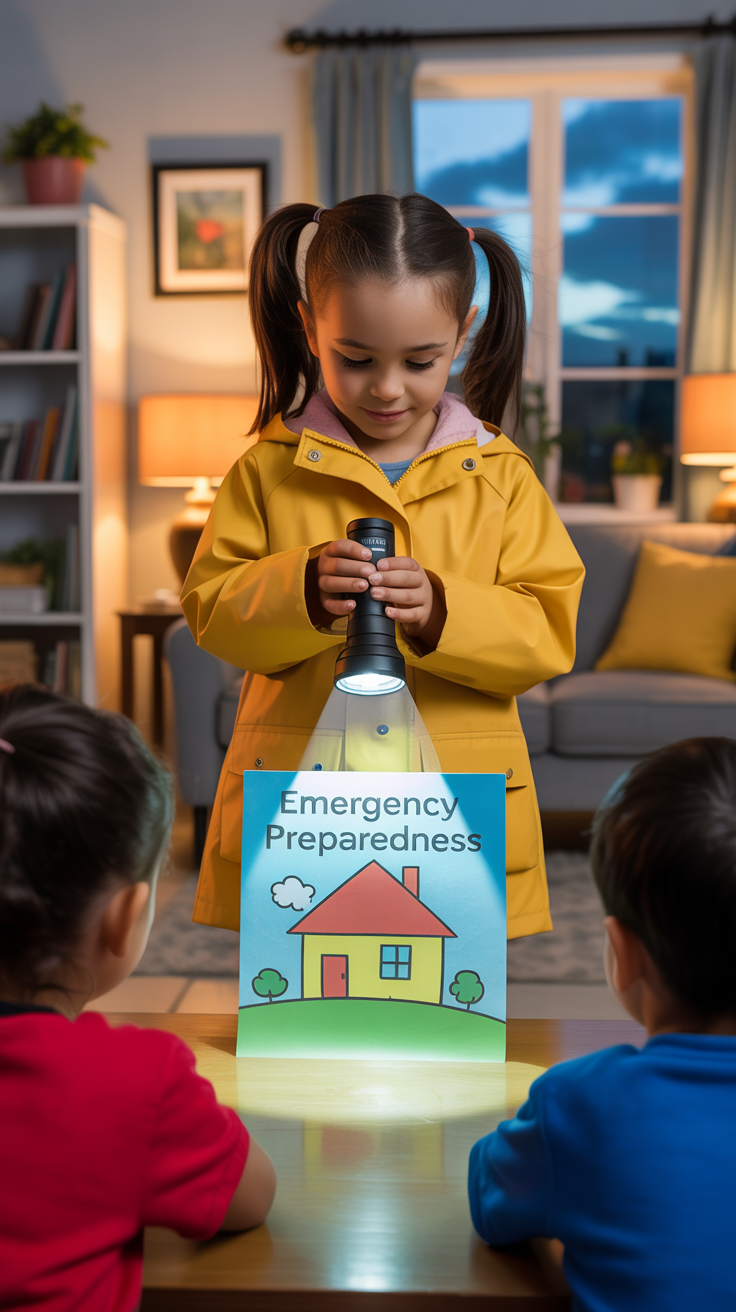
How to Prepare Your Kids for Emergencies Without Scaring Them
Preparing children for emergencies is one of the most loving things you can do as a parent—but it can feel tricky. You want them capable and calm, not worried and overwhelmed. The good news is that how to prepare your kids for emergencies without scaring them comes down to three things: using age-appropriate language, practicing simple skills as “everyday readiness,” and building confidence through repetition.
Instead of dramatic “what if” scenarios, treat preparedness like learning to swim or wearing a seatbelt: a normal life skill that helps your family feel safe. With the right approach, kids don’t fixate on disasters—they absorb a plan, routines, and the reassuring belief that grown-ups have this handled.
Building a calm preparedness mindset at home
The foundation of readiness is emotional safety. If kids sense panic, they mirror it. If they sense confidence, they learn confidence.
Use “readiness language,” not fear language
Swap anxiety-inducing phrases (“If something terrible happens…”) for normalizing phrases:
- “Sometimes power goes out, so we keep a flashlight handy.”
- “If we can’t reach each other, we have a meet-up spot.”
- “We practice so we can stay calm and help each other.”
This keeps the focus on capability rather than danger.
Make preparedness part of everyday life
Preparedness works best as tiny habits, not one intense talk. Consider:
- Checking smoke alarm batteries together
- Keeping shoes by the bed (a simple safety habit)
- Showing them where flashlights live
- Teaching them to recite their address like a game
These actions feel practical, not scary.
Anchor your message in family values
Kids handle readiness better when it’s tied to familiar values:
- “We look out for each other.”
- “We stay calm and follow steps.”
- “We’re helpers.”
“As child development specialists often emphasize, kids do best with ‘predictable routines and simple scripts.’ That’s exactly what a family emergency plan provides—clear steps they can count on.”
Choosing age-appropriate goals for each child
A 4-year-old and a 14-year-old shouldn’t have the same responsibilities. The goal is progress, not perfection.
Ages 3–5: simple identifiers and safe actions
Focus on:
- Their full name (and parents’ names)
- Practicing “stop, find a safe adult, ask for help”
- Recognizing smoke alarms and “get low, go”
- Knowing that 911 is for emergencies (without drilling scary details)
Keep it playful. Short lessons, big praise.
Ages 6–9: basic skills and simple decision points
Add:
- Home address and a parent phone number
- How to call or text a trusted contact
- Where emergency supplies are kept
- What to do if the power goes out (stay with family, use flashlight, no candles)
This is a great age for “mission-based” tasks: “Can you find the flashlight and bring it to me?”
Ages 10–12: responsibility with boundaries
Kids can learn:
- How to shut a door if there’s smoke and go to the meet-up spot
- How to use a basic first-aid kit with supervision
- How to keep a younger sibling calm (comfort, not rescue)
- How to follow a checklist during a drill
Emphasize: “Your job isn’t to be the adult. Your job is to follow the plan.”
Teens: real-world readiness and leadership
Teens can handle:
- Full family plan details (including out-of-area contacts)
- How to use a fire extinguisher (if appropriate)
- Basic map navigation and local landmarks
- Helping pack or maintain the go-bag and car supplies
Teens respond well when you treat readiness as competence, not fear.
Teaching the “three plans” kids remember under stress
When people panic, they forget details. Kids do better with a few memorable anchors. Build your readiness around three simple plans and practice them periodically.
Plan 1: how to get in touch
Kids should know:
- Who to contact if they can’t reach you
- One out-of-area contact (for major events)
- A simple phrase to use: “I’m safe. I am at ___.”
Many families keep this on a card in a backpack.
Plan 2: where to meet
Choose:
- A spot near the home (mailbox, big tree, neighbor’s porch)
- A spot outside the neighborhood (library, community center)
Make sure kids can identify the spot without needing GPS.
Plan 3: what to do right now
The “right now” plan includes clear steps:
- Stay together
- Follow the adult instructions
- Use the checklist (if age-appropriate)
- Go to the meet-up spot if separated
Post a simplified version on the fridge. Kids benefit from visuals—icons and short lines.
💡 Recommended Solution: URBAN Survival Code
Best for: parents who want a structured, easy-to-follow home-and-city readiness framework
Why it works:
- Helps you think in practical checklists and routines
- Supports “calm plan” preparedness instead of fear-based messaging
- Useful for building family systems you can practice
Many parents find that having a framework reduces their anxiety—which helps children stay calm too.
Making drills feel like games, not scary rehearsals
The word “drill” can sound intense. You can still practice effectively without turning it into a high-stress event.
Use micro-drills (2–5 minutes)
Try:
- “Flashlight find” (lights off, everyone retrieves flashlight)
- “Meet-up walk” (everyone walks to the meet-up spot and back)
- “Phone tree practice” (text the out-of-area contact a friendly check-in)
Keep it short and end with something positive: a high five, a sticker, hot cocoa—whatever fits your family.
Use role-play with calm scripts
Kids do well with scripts like:
- “I’m safe. I need help. My phone number is ___.”
- “I’m staying here with my sister until a safe adult arrives.”
Keep the tone steady. Avoid “pretend the worst happened.” You’re practicing actions, not scenarios.
Let kids “teach back”
After a practice, ask:
- “What’s our meet-up spot?”
- “Where is the flashlight?”
- “What do you do if you can’t find me at the store?”
When kids explain it, they retain it—and feel proud.
Reward confidence, not fear
If a child feels nervous, validate without amplifying:
- “That makes sense. New things can feel big.”
- “We practice so it feels smaller.”
- “You did great remembering the steps.”
This is how you build emotional resilience.
Building a kid-friendly emergency kit and letting them own part of it
A family emergency kit doesn’t have to look like a bunker. For kids, it’s most effective when it includes comfort, basic needs, and a job they can handle.
What belongs in a kid-friendly kit
Consider:
- Water and shelf-stable snacks
- A small flashlight or headlamp
- A comfort item (small stuffed animal, family photo)
- Basic hygiene items
- A card with contact info and meeting locations
- Weather-appropriate extras (hat, poncho, warm socks)
Let kids help choose a couple of items—ownership increases confidence.
Give each child one responsibility
Examples:
- One child “owns” the flashlight check
- One owns the snack rotation reminder
- Older kids help check batteries
Make it a simple monthly habit.
Keep water planning simple and dependable
Water is one of the hardest pieces for families to manage, and it’s also one of the most calming once it’s handled. If you’re trying to reduce decision fatigue, it helps to have a dedicated approach to storing and organizing water.
Many preparedness-minded households rely on tools like SmartWaterBox to streamline water readiness in a way that’s easier to maintain over time.
💡 Recommended Solution: Water Freedom System
Best for: families who want a clearer home water storage plan without constant guesswork
Why it works:
- Encourages consistent, organized water readiness
- Helps reduce last-minute scrambling
- Supports a “set it up and maintain it” mindset
While DIY water storage works for many families, a more structured option can be helpful if you’ve struggled to keep supplies consistent.
Teaching safety skills without turning kids into “little adults”
Preparedness isn’t about burdening children with adult fears. It’s about giving them a few reliable skills and boundaries.
Focus on “safe choices,” not hero choices
Kids should know:
- Never re-enter a home during a fire
- Don’t “go looking” for parents—go to the meet-up spot
- Ask for help from a designated safe adult (teacher, police officer, store employee)
The goal is predictable, safe behavior.
Cover the most common emergencies first
The best preparedness topics are the ones most likely to happen:
- Power outage
- Getting separated in public
- House fire
- Severe weather
- Minor injuries
Start there before discussing extreme scenarios.
Add basic first-aid familiarity
Keep it gentle:
- What a bandage is for
- Washing hands/wounds
- Telling an adult when something hurts
- Knowing where the first-aid kit is
For parents who want a home-focused approach to everyday medical readiness, some families use guides like Home Doctor as a way to feel more prepared for common issues when professional care isn’t immediately available.
“As many emergency preparedness educators point out, ‘confidence comes from competence.’ When parents feel ready to handle everyday injuries and disruptions, kids pick up that calm.”
Practice “calm body” tools
Emergencies can be noisy and chaotic. Teach:
- Belly breathing (five slow breaths)
- “Name five things you see” grounding
- Holding hands and listening for instructions
Call it “calm breathing” or “reset breaths” rather than anxiety language.
Keeping the family prepared long-term without burnout
Preparedness fails when it becomes overwhelming. The secret is a rhythm you can sustain.
Use a simple monthly rotation
Try this:
- Month 1: flashlight batteries and candles alternatives
- Month 2: snack rotation
- Month 3: contact info update
- Month 4: meet-up walk
Keep it on your calendar. Ten minutes is enough.
Build resilience through everyday self-sufficiency
Readiness becomes less scary when it’s part of normal life skills:
- Cooking simple meals
- Gardening or growing herbs
- Learning to make do with what you have
- Understanding where food comes from
If your family likes the idea of building household resilience through practical food knowledge, resources like The Lost SuperFoods can fit naturally into a “skills first” approach—less doom, more capability.
Tools & Resources for Calm Family Preparedness
- SmartWaterBox — helpful for organizing a water-readiness routine
- Home Doctor — supports home-first medical readiness thinking
- The Lost SuperFoods — useful for food resilience ideas and planning
Make preparedness empowering for kids
Ask kids:
- “What would help you feel safe if the power went out?”
- “What’s one thing you want in your small kit?”
- “Do you want to be the flashlight checker or the snack checker?”
Choice creates control, and control reduces fear.
Keep adult-level material adult-only
Some survival content is intense. If you explore advanced preparedness topics, do it privately and translate only the calm, practical pieces into kid-friendly steps.
If you’re the kind of parent who prefers deeper preparedness education for yourself—so you can simplify it for children—programs like BlackOps Elite Strategies are often positioned around broader readiness thinking. The key is to filter what you learn into simple, reassuring family routines.
Conclusion
Learning how to prepare your kids for emergencies without scaring them is less about teaching worst-case scenarios and more about building calm family systems: simple plans, short practice sessions, kid-sized responsibilities, and a steady message that preparedness is normal.
Start with the emergencies most likely to happen, keep the tone practical, and practice in tiny doses. Over time, your children won’t feel anxious—they’ll feel capable. And that confidence is one of the best forms of protection you can give them.
FAQ
How do I talk to my child about emergencies without scaring them?
Use simple, everyday language and focus on actions rather than frightening scenarios. Say “We practice so we know what to do,” and keep conversations short, calm, and age-appropriate.
What are the most important emergency skills for young kids to learn?
For younger kids, prioritize their full name, parents’ names, identifying a safe adult, recognizing smoke alarms, and knowing a simple rule like “stay with family and follow the plan.”
How often should we practice emergency drills with kids?
Aim for quick micro-practices monthly or every other month. Two to five minutes is enough if you’re consistent, calm, and positive.
What should I put in a kid-friendly emergency kit?
Include water, snacks, a small flashlight, comfort item, hygiene basics, weather extras, and a contact/meet-up card. Let kids choose one or two comfort items to increase buy-in.
How can I prepare my kids for emergencies without giving them anxiety?
Focus on empowerment and routine: simple plans, predictable steps, and reassurance that adults are in charge. Teach “calm breathing” tools and avoid graphic details or doom-focused conversations.
RANK MATH SEO BLOCK
SEO Title (≤60 chars): Prepare Kids for Emergencies Without Scaring Them
Meta Description (≤160 chars): Learn how to prepare your kids for emergencies without scaring them using calm scripts, simple drills, and kid-friendly kits.
URL Slug: prepare-kids-for-emergencies-without-scaring-them
Focus Keyword: How to Prepare Your Kids for Emergencies Without Scaring Them
Suggested Schema Type: FAQ