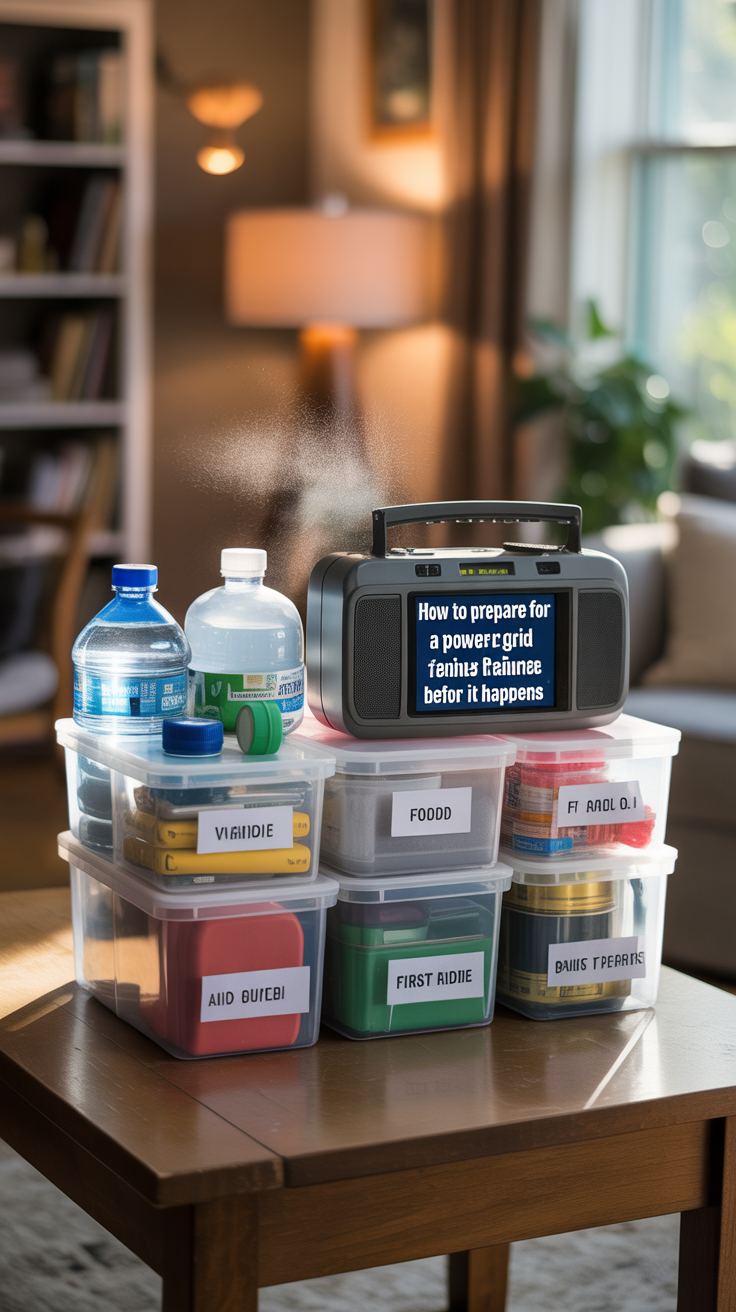
How to Prepare for a Power Grid Failure Before It Happens
A widespread outage can turn modern life into a logistics problem fast: no refrigeration, no card payments, limited fuel access, disrupted water pressure, and patchy communications. Learning how to prepare for a power grid failure before it happens is less about fear and more about building calm, practical resilience—so your household can stay safe, hydrated, fed, warm (or cool), informed, and secure for days or weeks.
Most “blackout plans” fail because they focus on gear first and systems second. The goal is to create layers: a water plan that doesn’t depend on pumps, a food plan that doesn’t depend on refrigeration, a power plan that doesn’t depend on gas stations, and a communication plan that doesn’t depend on cell towers.
Many preparedness educators stress this mindset shift. As emergency management professionals often note, “The best emergency plan is the one you can execute when you’re stressed and tired”—which means simple checklists, clear roles, and supplies you’ve tested.
💡 Recommended Solution: New Survival Offer: Dark Reset
Best for: building a step-by-step household preparedness plan
Why it works:
- Helps you think through scenarios beyond “lights out” (water, cash, safety, routines)
- Encourages checklists and sequencing so you can act under pressure
- Reinforces redundancy and practical self-reliance habits
Emergency readiness mindset and realistic scenarios
Grid failures come in different “flavors,” and your preparation should match the most likely disruptions in your area. A rolling blackout for extreme heat is not the same as an ice storm, a cyber incident, a geomagnetic storm, or a regional transmission fault. But the household fundamentals remain the same.
Common causes and what they break first
- Severe weather: wind, ice, lightning, and flooding can take down distribution lines and delay repairs.
- Heat waves: high demand strains generation and transformers.
- Wildfires: preemptive shutoffs and damaged equipment can extend outages.
- Cyber or operational issues: can cascade into broader instability, even if local lines are intact.
- Fuel and logistics disruptions: may limit generator fuel availability and affect supply chains.
What tends to fail early:
- Payment systems: card readers and ATMs go down; stores may go cash-only.
- Water pressure: especially on higher floors or rural systems dependent on pumps.
- Fuel access: gas stations require electricity to pump, and refineries/distribution can be disrupted.
- Communications: cell towers have limited backup power; internet drops.
- Refrigeration: food spoilage becomes an urgent problem.
Set a preparedness target you can actually maintain
Instead of buying random “grid-down” gadgets, set a baseline target:
- 72 hours: the minimum for most storms and local outages
- 7–14 days: a stronger standard for regional incidents
- 30 days: robust resilience for extended disruptions
A practical approach is “two is one, one is none” for critical needs: at least two ways to get water, cook, heat, light, and receive information.
Many professionals rely on tools like New Survival Offer: URBAN Survival Code to streamline planning for apartment living, limited storage, or city-specific constraints—because urban outages add elevator issues, building access concerns, and denser security risks.
Water security without relying on the tap
If you do nothing else, secure your water plan. In many grid failures, water becomes the first serious hardship—either because municipal pumping is impaired, your well pump doesn’t run, or boil-water advisories are issued.
How much water you really need
A conservative baseline:
- 1 gallon per person per day for drinking and minimal hygiene
Better: - 2 gallons per person per day if you’re planning for heat, activity, or limited resupply.
For a family of four, 7 days at 1 gallon/day is 28 gallons—not hard to store if you plan ahead.
Three-layer water strategy
Layer 1: Stored water (fastest and simplest)
- Keep a rotation of sealed water containers.
- Add a few smaller bottles for grab-and-go.
- Don’t forget pets.
Layer 2: Collection (if the outage extends)
- Rain capture (where legal and practical).
- Clean containers and tarps can increase collection.
- Identify nearby sources: stream, lake, pool (last resort for hygiene).
Layer 3: Treatment
- Boiling (requires fuel)
- Filtration and/or chemical treatment
- Separate “clear water” from questionable sources to reduce treatment workload.
💡 Recommended Solution: Water Freedom System
Best for: building a more resilient home water plan for outages
Why it works:
- Supports preparedness-focused water security thinking
- Helps reduce dependence on last-minute store runs
- Encourages a system approach: storage + access + continuity
Sanitation matters as much as drinking water
When water is limited, illness risk rises. Plan for:
- Hand hygiene: alcohol-based sanitizer plus soap when water allows
- Toilet strategy: heavy-duty bags, absorbent material, odor control, and a dedicated container if plumbing is unreliable
- Dishwashing: disposable plates/cutlery can reduce water needs short-term
Struggling with a longer-term outage where stored water runs low? New Water Offer: SmartWaterBox is often used as a preparedness resource for thinking through storage and continuity so you’re not improvising under stress.
Food planning for no refrigeration and limited cooking
A grid failure turns your kitchen into a “limited-resource” environment. The best food plan is one that prevents waste, maintains calories and morale, and works when cooking options are constrained.
Prioritize a “no-power menu”
Build meals around shelf-stable staples you already eat:
- Canned proteins (tuna, chicken, beans)
- Nut butters, trail mixes, shelf-stable milk
- Rice, pasta, oats, instant potatoes
- Canned fruits/vegetables, soups, chili
- Comfort items: coffee/tea, chocolate, spices, broth
Keep a written “blackout menu” with breakfasts/lunches/dinners that require minimal fuel and water.
Use a smart pantry rotation
A deep pantry is not a bunker—it’s a rotation system:
- Store what you eat
- Eat what you store
- Replace on a schedule
Label shelves with “use first” and “reserve” to avoid burning through your best supplies early.
Cooking without the grid
If the grid is out, your cooking options might include:
- Camping stove (use only with safe ventilation and per instructions)
- Grill (outdoors)
- Solar cooking (weather-dependent)
- Heat-and-eat meals that need little water
Also plan for:
- A manual can opener
- A stove-top kettle alternative if your main kettle is electric
- Fire safety supplies (extinguisher rated for kitchen use)
💡 Recommended Solution: The Lost SuperFoods
Best for: expanding shelf-stable food ideas and variety
Why it works:
- Encourages non-refrigerated food planning beyond basic canned goods
- Helps diversify calories and nutrients for longer disruptions
- Supports a pantry-first approach that’s easy to rotate
Keep morale and sodium in mind
In heat or heavy work (hauling water, cleaning debris), electrolyte balance matters. Stock:
- Salt
- Broth or bouillon
- Oral rehydration-style mixes (or ingredients to make a basic version)
Food fatigue is real. A few “morale boosters” can stabilize mood and reduce tension—especially in families with kids.
Backup power, lighting, and device charging that actually works
Grid-down “power” isn’t about running your entire home like normal. It’s about maintaining critical functions: lights, communications, some refrigeration (optional), medical devices, and basic comfort.
Start with an energy audit
List what you truly need:
- Phone charging
- LED lights
- Internet modem/router (maybe)
- Small fan/heater (situational)
- Refrigerator/freezer (if you have enough fuel/power)
Then decide what you can live without:
- Laundry, electric oven, full HVAC, entertainment systems
Layered power plan (low to high complexity)
Layer 1: Zero-power solutions
- Headlamps and LED lanterns
- Battery-powered radio
- Manual tools (can opener, hand-crank options)
- Thermal blankets, sleeping bags, weather-appropriate clothing
Layer 2: Battery banks and rechargeable systems
- USB battery banks for phones
- Rechargeable AA/AAA systems for lights
- 12V options if you can safely charge from a vehicle (follow safety guidance)
Layer 3: Generation (when appropriate)
- Generator or off-grid system planning
- Fuel storage strategy (and fuel rotation if applicable)
- Safe placement, ventilation, and CO awareness
While a conventional gas generator is popular, some households explore alternatives like Ultimate OFF-GRID Generator as a resource for thinking through off-grid power independence and reducing reliance on fuel availability during widespread outages.
Lighting: prioritize safety and efficiency
Use:
- Headlamps for hands-free tasks
- LED lanterns for room lighting
- Motion-sensor battery lights for hallways
Avoid open-flame candles when you’re stressed, tired, or have kids/pets—house fires spike during extended blackouts.
Keep communications charged first
Make “comms charging” the top priority for power:
- One power bank reserved only for phones and radios
- A charging schedule (especially if you have limited generation)
Home heat, cooling, and shelter-in-place basics
Temperature extremes make grid failures far more dangerous. Plan for your local climate and the fact that outages may coincide with storms, heat waves, or cold snaps.
Cold-weather strategy
If heat is out:
- Consolidate to one room to heat/insulate
- Seal drafts with towels, plastic sheeting, and tape
- Use layered clothing, hats, gloves indoors
- Sleep warm: sleeping bags rated for cold + extra blankets
If you use any combustion heat source, prioritize carbon monoxide safety (CO detectors with battery backup, ventilation per manufacturer guidance). Do not improvise indoor heating with unsafe devices.
Hot-weather strategy
If A/C is out:
- Hydration plan becomes primary
- Shade and airflow: reflective coverings, closed curtains, cross-ventilation when temps drop
- Create a “cool room” in the lowest level if possible
- Limit activity during peak heat; use wet cloths on neck/wrists
Shelter-in-place decision triggers
Sometimes leaving is safer (medical needs, extreme temperatures, civil unrest). Define triggers in advance:
- Indoor temperature above/below a set threshold for X hours
- Medical device power needs cannot be met
- Water supply below X gallons
- Neighborhood safety deteriorates
If you live in a dense area, New Survival Offer: URBAN Survival Code can be a helpful planning resource for apartment and city-specific evacuation and sheltering constraints—like stair-only movement, building access issues, and limited storage.
Medical readiness, first aid, and hygiene when services are delayed
In a prolonged grid failure, emergency services may be stretched and pharmacies may be closed or operating with delays. A strong medical and hygiene plan prevents small issues from becoming serious.
Medications and critical supplies
- Keep an updated list of prescriptions (dose, prescriber, pharmacy)
- Store extra supplies when possible (follow local rules and medical guidance)
- Include basic OTCs: pain relief, antihistamines, anti-diarrheal, oral rehydration support
- First aid essentials: bandages, antiseptic, gauze, blister care, tweezers
If you’re building a household medical plan beyond a basic kit, many people reference guides like Home Doctor to organize home-care basics and practical “what to do when help is delayed” thinking without relying on immediate access to clinics.
Hygiene during outages
Hygiene isn’t luxury—it’s infection prevention:
- Hand sanitizer + soap
- Baby wipes or no-rinse bathing wipes
- Toothbrushes, toothpaste, floss
- Feminine hygiene supplies
- Trash bags (more than you think), odor control, gloves
Special considerations
- Infants: formula, clean water, diapers, rash care
- Elderly: mobility aids, backups for hearing aid batteries, fall prevention lighting
- Chronic conditions: plan for temperature control, diet needs, and power for devices
- Pets: food, meds, sanitation, containment
Create a “go binder” with:
- Copies of IDs (protected), insurance, medical lists
- Emergency contacts and meeting points
- Home shutoff instructions (water/gas), if applicable
Security, communications, and community coordination
When the grid fails, confusion spreads. Good communication reduces anxiety and bad decisions, and a basic security posture helps your household avoid unnecessary risk.
Communication plan that doesn’t rely on the internet
- A battery or hand-crank radio for alerts
- A printed contact list (phones die)
- A designated out-of-area contact—often easier to reach
- Pre-set family meeting points (nearby + out-of-neighborhood)
During widespread outages, assume:
- Cell networks may be congested
- Texts often work better than calls
- Information will be incomplete and rumor-heavy
Home security fundamentals
Most incidents won’t involve violence, but “opportunity crime” can rise when alarms and lights are out.
- Keep exterior areas lit with battery motion lights
- Reinforce basic entry points (locks, window latches)
- Keep valuables out of sight
- Maintain situational awareness without escalating
As security educators often emphasize, “Deterrence is the goal—avoid becoming the easiest target.” If you want a structured way to think through personal and household security under disruption, BlackOps Elite Strategies is sometimes used as a preparedness-style resource for mindset, planning, and layered safety practices.
Community is a force multiplier
Know your neighbors before an emergency:
- Share contact info with 1–2 trusted households
- Identify who has skills (medical, mechanical)
- Coordinate tool sharing (chainsaw, generator, water transport)
- Check on vulnerable residents discreetly
A community that communicates calmly tends to stay calmer—and recover faster.
Practical checklists and tools to build your grid-failure plan
Preparation sticks when it’s written down, tested, and reviewed. Use the checklists below to turn good intentions into an actionable household system.
The 60-minute readiness upgrade (do this today)
- Charge all power banks and lights
- Fill bathtubs/containers if an outage is imminent
- Pull cash in small bills
- Do a fridge/freezer plan: set coldest settings, group items, freeze water bottles
- Confirm flashlights and headlamps work
- Put a printed contact list and local map in a backpack
The 7-day resilience checklist (build over time)
Water
- Stored water for each person + pets
- Treatment method + dedicated containers
- Sanitation plan with bags, wipes, gloves
Food
- 7–14 day pantry rotation
- No-cook meals and manual can opener
- Cooking method + fuel (stored safely)
Power & lighting
- Headlamps, lanterns, spare batteries
- Phone charging plan
- CO detectors with battery backup if using combustion sources
Medical
- First aid kit + meds list
- Hygiene supplies
- Special needs supplies
Comms & documents
- Radio, printed contacts
- Copies of essential documents
- Written plan + roles
Tools & resources (equal options)
If you prefer structured guidance rather than piecing everything together from scattered advice, these resources can help you think in systems:
- New Survival Offer: Dark Reset — planning and preparedness framework for disruptions
- Home Doctor — organizing home medical readiness when care is delayed
- The Lost SuperFoods — improving shelf-stable food variety and planning ideas
Build long-term independence at home
If you’re using a grid failure as the motivation to become more self-reliant overall, home food production and basic household systems can reduce dependence on brittle supply chains.
For example, people working toward a more resilient property often use guides like The Self-Sufficient Backyard to plan gardens, storage habits, and household routines that make outages less disruptive over the long run.
Conclusion
Learning how to prepare for a power grid failure before it happens comes down to building layered systems for water, food, power, temperature safety, medical readiness, communications, and basic security. You don’t need perfection, and you don’t need to buy everything at once. Start with water and lighting, then expand into food rotation, charging, and written checklists. Test your plan on a normal weekend—because the best time to discover gaps is when the lights are still on.
If you do one final thing today: write a simple, one-page family plan (who does what, where supplies are, when to leave, who to contact). That document turns “preparedness” from an idea into something you can execute.
FAQ
How to prepare for a power grid failure before it happens if you live in an apartment
Focus on compact, high-impact layers: stored water, no-cook foods, headlamps/lanterns, power banks, a radio, and a clear evacuation/shelter plan. Assume elevators won’t work and plan for stairs-only movement.
How long should you prepare to be without power
Aim for 72 hours minimum, then build toward 7–14 days if your region is prone to storms, heat waves, or wildfires. Longer targets require stronger water continuity and cooking plans.
What is the most important supply for a grid failure
Water. You can function with minimal power and simple food, but dehydration and sanitation problems escalate quickly. Store water first, then add treatment and collection options.
Should you run a generator during a prolonged power outage
Only if you can do it safely and sustainably. Use proper ventilation, follow manufacturer instructions, prioritize CO safety, and plan fuel realistically—especially if gas stations can’t pump fuel.
How do you keep food from spoiling when the power goes out
Keep refrigerator/freezer doors closed, group cold items together, and use a thermometer if possible. Plan to eat perishables first, then shift to shelf-stable pantry meals designed for outages.
Rank Math SEO Block
SEO Title: Prepare for a Power Grid Failure Before It Happens
Meta Description: Learn how to prepare for a power grid failure before it happens with water, food, power, medical, and communication plans for your home.
URL Slug: prepare-for-power-grid-failure
Focus Keyword: How to Prepare for a Power Grid Failure Before It Happens
Suggested Schema Type: FAQ