
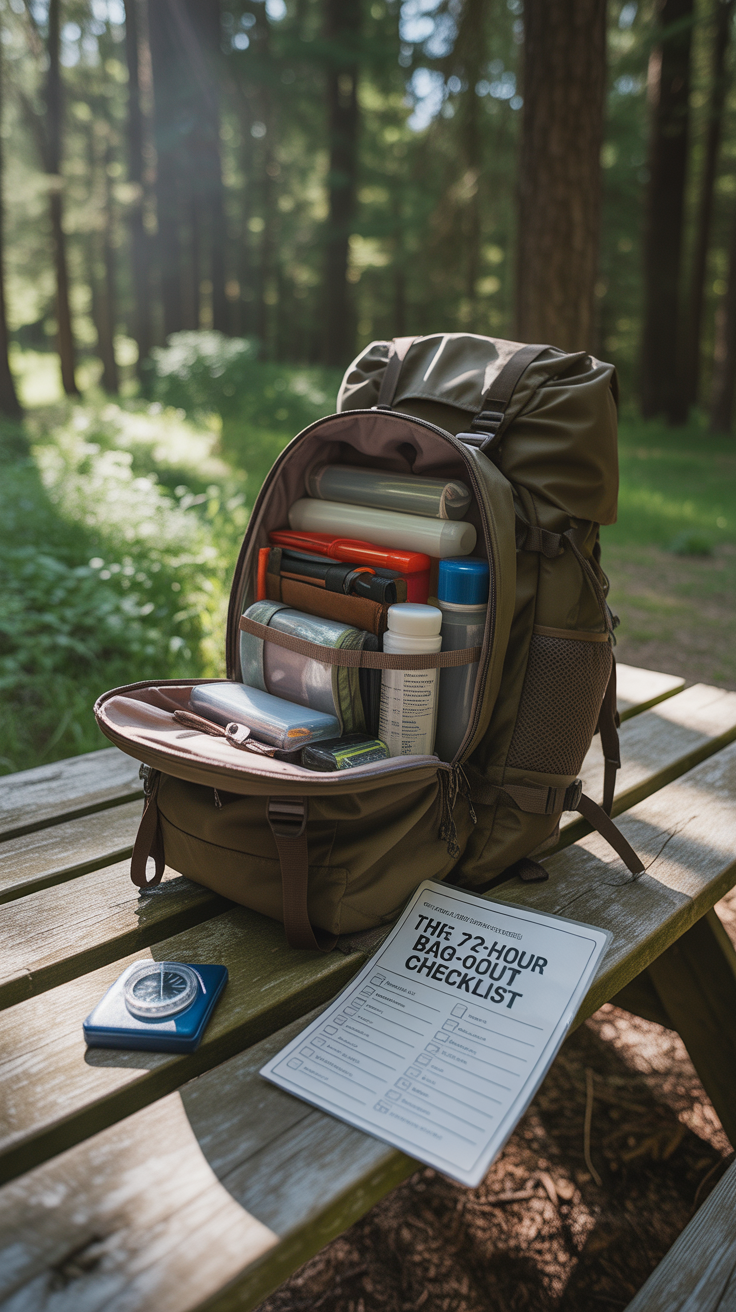
The 72-Hour Bug-Out Bag Checklist Most People Get Wrong
A 72-hour bag is supposed to buy you time—time to move, think, and adapt when normal systems fail. Yet the 72-hour bug-out bag checklist most people get wrong isn’t usually about forgetting a lighter or picking the wrong backpack. It’s deeper: they pack for comfort instead of capability, they bring gear without a plan to use it, and they underestimate how fast water, calories, sleep, and decision fatigue can collapse a “prepared” person.
This guide fixes those mistakes with a field-practical structure: what matters first, what’s often wasted weight, and how to build a bag that works in real-world constraints—urban disruption, wildfire evacuation, grid-down travel, or a fast relocation to a safer place.
The core mistake: building a bag around stuff instead of outcomes
Most checklists look like shopping lists. A functional 72-hour bag is an outcome-driven system designed to help you:
- Move to a safer location (mobility + navigation)
- Stay alive for 72 hours (water, shelter, warmth)
- Avoid preventable injuries (foot care, first aid, hygiene)
- Maintain awareness (lighting, comms, information)
- Recover and continue (sleep, calories, morale basics)
When people get the 72-hour checklist wrong, it’s usually because they:
Overpack “survival fantasies”
Big knives, hatchets, fishing kits, heavy pans—items that feel rugged but rarely solve your first 24-hour problems (dehydration, cold, blisters, getting lost).
Underpack the boring essentials
Water carry, water treatment, calories you’ll actually eat, socks, blister care, and a sleep system are what keep you moving. The pain is not dramatic—it’s cumulative.
Forget the environment and the exit plan
A bag built for deep woods is different from one that gets you out of an apartment building during a regional blackout. Your plan determines your load.
Pack single-point failures
One lighter and no backup ignition. One flashlight and no spare batteries. One water filter and no chemical treatment fallback.
“As wilderness educator and author Cody Lundin often emphasizes, ‘Survival is mostly about managing temperature and hydration.’” The best 72-hour bag reflects that: regulate warmth, secure water, keep moving.
Water planning that works when you’re stressed, moving, and tired
Water is the fastest failure point. Many people pack a filter and call it done—then discover they can’t easily collect water, or the source is too questionable, or their container setup is awkward.
Your 72-hour water goal (practical, not theoretical)
- Carry: 2–3 liters when you start moving (more in heat, less if weight is critical)
- Treat: have two methods (primary + backup)
- Collect: have at least one wide-mouth container and one “dirty water” option
- Store: ability to hold 1–2 liters treated for later
Water kit checklist (balanced and realistic)
Carry & containers
- 1–2 durable bottles (wide-mouth preferred)
- 1 collapsible bottle or bladder (packs small when empty)
- Optional: metal bottle/cup for boiling (if your plan includes fire)
Treatment (two methods)
- Primary: filter or purifier
- Backup: chemical tablets/drops (chlorine dioxide preferred)
- Pre-filter: bandana/coffee filters for sediment
Collection
- Small scoop/cup (even a cut bottle top works)
- Zip-top bags (multi-use: water, sanitation, organization)
Problem-solution bridge: Struggling with reliable water storage during extended outages? Tools like Water Freedom System and SmartWaterBox are often used as at-home contingency options to help stabilize water availability when tap access becomes uncertain—especially useful if your “bug-out” is actually “bug in until you must move.”
💡 Recommended Solution: SmartWaterBox
Best for: home water readiness before you relocate
Why it works:
- Helps you plan around water uncertainty at home
- Supports staged preparedness (before you shoulder the pack)
- Complements, not replaces, portable carry and treatment
What most people get wrong with water
- They pack treatment but not carry capacity
- They don’t practice filtering from a shallow puddle, storm drain runoff (not recommended), or silty river edge
- They assume water will be available where they’re going
A working checklist is built around the hardest moment: you’re tired, it’s late, you’re cold, and you need water now.
Shelter and warmth that match real 72-hour conditions
If you get cold and wet, everything else becomes harder: navigation, judgment, morale, and even simple tasks like opening packaging.
Think in layers: microclimate, not camping
For 72 hours, you typically want fast deployment shelters that don’t require perfect terrain or complex setup.
Shelter essentials
- Compact tarp or emergency bivy
- 20–50 ft paracord or strong line
- 4–8 lightweight stakes (optional but helpful)
- Contractor trash bags (multi-use: poncho, groundsheet, pack liner)
- Mylar blanket (as backup, not your primary warmth plan)
Warmth & sleep essentials
- Season-appropriate insulation layer (puffy or fleece)
- Rain shell or poncho
- Warm hat + gloves
- Sleep system appropriate to your region (even minimal: bivy + insulated pad)
The “cotton trap”
Cotton kills isn’t a slogan—it’s a physics lesson. Cotton holds moisture and drains heat. Avoid cotton base layers and socks.
Foot warmth is survival warmth
Cold feet destroy mobility. Your shelter and sleep kit matter, but so do:
- Dry socks (multiple pairs)
- Ventilation strategy (air out feet, change socks)
- Blister prevention (covered below)
Expert-quote style:
“As emergency medicine and disaster readiness instructors often stress, ‘Hypothermia can happen in mild temperatures when you’re wet and winded.’” The best 72-hour bag treats rain control and insulation as first-tier needs, not optional comforts.
Food and cooking: calories you’ll actually eat, carry, and digest
A common mistake in the 72-hour bug-out bag checklist most people get wrong is packing “survival food” that’s untested—or heavy cooking setups that slow you down.
Your real goal: steady energy and clear thinking
For 72 hours, you want:
- 1,800–2,500 calories/day depending on body size and exertion
- Food you can eat cold, on the move, and under stress
- A small “warm meal capability” if feasible
Food checklist (3-tier approach)
Tier 1: no-cook, immediate
- Protein bars, nut butter packets, trail mix
- Jerky, dried fruit
- Electrolyte packets (huge performance boost)
Tier 2: minimal prep
- Instant oats (can cold-soak)
- Ramen or instant soup (morale + salts)
- Dehydrated meals (only if you can reliably heat water)
Tier 3: comfort & morale
- Coffee/tea
- Hard candy
- Small spices (salt packets)
Cooking kit (minimal and realistic)
- Small stove + fuel (optional depending on your plan)
- Metal cup/pot (if cooking)
- Spoon
- Fire kit even if you have a stove
Comparison/alternative: While a full cookset looks appealing, for a 72-hour mobility bag a cup + spoon often beats bulky pans. If your environment is wet or you can’t rely on open flame, prioritize no-cook calories and warm drinks as a bonus, not your foundation.
Contextual inline mention: Many preparedness-minded families also keep shelf-stable “deep pantry” options at home to reduce pressure on the bug-out bag itself. Resources like The Lost SuperFoods can help you think through resilient storage so your 72-hour bag isn’t doing the job of a two-week plan.
💡 Recommended Solution: The Lost SuperFoods
Best for: building a food backstop so you don’t overstuff your bag
Why it works:
- Encourages layered preparedness beyond the backpack
- Helps reduce “panic packing” by improving home readiness
- Supports a more realistic 72-hour loadout
Medical, hygiene, and foot care: the unglamorous gear that keeps you mobile
Blisters are one of the most common bug-out failures. Not because people don’t bring boots—but because they don’t bring foot management.
First aid checklist (72-hour practical)
Core wound care
- Assorted bandages + gauze
- Medical tape (high value)
- Antiseptic wipes
- Tweezers
- Nitrile gloves
Blister and foot care
- Moleskin or blister pads
- Small scissors
- Foot powder (optional)
- Extra socks (wool/synthetic)
- Small amount of lubricant (anti-chafe)
Basics
- Pain relief (as appropriate for you)
- Personal meds (72 hours minimum, ideally more)
- Small irrigation syringe or saline pods (optional but helpful)
Hygiene and sanitation checklist
- Travel toothbrush/paste
- Hand sanitizer
- Wet wipes (ration them)
- Toilet paper (flattened roll) or tissue packets
- Small trash bags (pack out waste)
- Menstrual supplies if needed
Medical readiness beyond the pouch
A first aid kit is only as good as your ability to use it. If you’re building serious readiness, consider learning:
- Bleeding control
- Splinting basics
- How to clean and dress a wound properly
Problem-solution bridge: If you’re trying to reduce dependence on clinics during disruptions, resources like Home Doctor are commonly used as general education to improve household medical confidence (not a substitute for professional care, but often helpful as a reference framework).
💡 Recommended Solution: Home Doctor
Best for: building “what do I do next?” medical readiness at home
Why it works:
- Supports calm decision-making during disruptions
- Helps you think through first steps and prioritization
- Complements a practical first aid kit and training
Tools, lights, power, and comms without the dead weight
The tool category is where most bags get bloated. The fix is to pack tools that solve multiple problems and support your plan.
Cutting and repair
- Folding knife or compact fixed blade
- Multitool (high utility)
- Duct tape (wrapped on a card)
- Zip ties (assorted)
- Sewing kit or heavy needle + thread
- Small amount of super glue (optional)
Fire and heat
- Lighter (primary)
- Backup lighter or ferro rod
- Tinder (cotton ball + petroleum jelly in a bag, or commercial tinder)
- Waterproof matches (optional)
Lighting
- Headlamp (hands-free beats flashlight)
- Small backup light
- Spare batteries OR rechargeable strategy
Power (keep it simple)
- Power bank
- Charging cable set
- Optional: compact solar panel (only if you’ve tested it)
Communications and information
- Small AM/FM/NOAA radio (hand-crank optional)
- Printed contact list + meeting points (paper beats dead batteries)
- Local map (paper) + compass
- Whistle (signal)
Case study/example (generalized): In real evacuations—wildfire, hurricanes, regional blackouts—people who had a headlamp, a charged power bank, and paper directions were able to navigate shelters, assist family, and avoid panic-driven decisions far more consistently than those relying on a single phone at 12% battery.
Contextual inline mention: If your risk profile is more urban—riots, sudden infrastructure disruptions, or city-wide power loss—guides like URBAN Survival Code are often positioned around city-specific tactics and planning so your bag supports realistic movement and shelter choices.
Clothing systems and packing strategy that prevents failure
A working clothing setup isn’t “lots of clothes.” It’s the right system that keeps you dry, warm, and able to regulate heat.
Clothing checklist (foundation layers)
- 2–3 pairs socks (wool/synthetic)
- 1 spare underwear
- Base layer top (season-appropriate, non-cotton)
- Insulation layer (fleece/puffy)
- Rain shell or poncho
- Hat + gloves
The packing strategy most people skip
If your bag gets soaked, your sleeping insulation and spare clothes become useless. Use:
- Pack liner (contractor bag) as the main waterproofing
- Dry bags or zip bags for sub-kits (sleep kit, clothes, medical)
Weight and balance rules
- Heavy items close to your back and centered
- Frequent-use items on top or outer pockets (rain layer, headlamp, snacks)
- Water accessible without unpacking everything
The “three checks” test
Before you call it done:
- Walk test: 30–60 minutes with full weight
- Access test: can you reach rain gear, headlamp, and water in under 30 seconds?
- Night test: can you set up shelter, find your med kit, and light a fire in the dark?
“As many search-and-rescue veterans will tell you, the best gear is the gear you can deploy when you’re exhausted.” Your checklist should be validated, not admired.
Security, situational awareness, and mindset for a 72-hour event
Security is not just tools—it’s choices that reduce exposure to risk.
Low-profile principles that actually work
- Blend in: neutral colors, no “tactical billboard”
- Avoid unnecessary conflict: detours beat confrontations
- Move with purpose: loitering increases problems
- Keep your hands free: headlamp, sling methods, smart packing
Document and cash readiness
A small admin kit is often what separates “inconvenienced” from “stranded”:
- ID copies (waterproofed)
- Insurance info
- Emergency cash (small bills)
- Spare key (house/car) stored securely
- Notepad + pen
A realistic self-defense note
Local laws vary widely. Focus on:
- Awareness
- Distance
- De-escalation
- Escape routes
- Communication and reunification plan
Expert-quote style:
“As former security instructors commonly repeat, ‘Your best defense is not being there.’” That means route planning, time-of-day awareness, and not advertising what you carry.
Contextual inline mention: If you want structured thinking around threat awareness and planning, resources like BlackOps Elite Strategies are often used as mindset and methodology material to help people build routines and contingency thinking (especially where confusion is the biggest enemy).
Power, home readiness, and the truth about “bugging out”
Most real events start as a “bug in” scenario. You may evacuate later—but the first hours often happen at home.
This is where many people get the 72-hour bug-out bag checklist most people get wrong: they try to solve home resilience with a backpack. A bag is for movement. Home systems are for stability.
Home systems that reduce pressure on your bag
- Water storage and refill plan
- Food buffer (at least several days)
- Lighting and charging plan
- Heat/cooling strategy appropriate to your climate
- Communication plan with family
Tools & resources you can stage at home (not in the bag)
If you want layered readiness, these are commonly used as planning aids and contingency systems:
💡 Recommended Solution: Ultimate OFF-GRID Generator
Best for: backup power planning at home before you ever shoulder a pack
Why it works:
- Supports continuity when grid power is unreliable
- Helps you think through essential loads and priorities
- Reduces the need to “power everything” from a small power bank
💡 Recommended Solution: Water Freedom System
Best for: building a water buffer so you’re not forced to move immediately
Why it works:
- Strengthens water readiness at home
- Supports staged response (shelter-in-place first)
- Complements portable purification for later
💡 Recommended Solution: The Self-Sufficient Backyard
Best for: longer-term resilience beyond the 72-hour window
Why it works:
- Encourages practical self-reliance skills at home
- Helps reduce dependence on fragile supply chains
- Supports a smoother transition from emergency to stability
A simple decision rule
- If you have time and safety: stabilize at home
- If conditions are deteriorating: leave early, leave light, leave with a destination
A good bug-out bag is not a lifestyle accessory. It’s a bridge between normal life and your next stable point.
Conclusion
The 72-hour bug-out bag checklist most people get wrong isn’t fixed by adding more gear—it’s fixed by packing for outcomes: water you can actually carry and treat, warmth you can deploy fast, calories you’ll eat under stress, foot care that preserves mobility, and tools that earn their weight. Build your kit around your realistic risks, test it on short walks and night drills, and support it with home readiness so you’re not forced into a rushed evacuation.
If you do that, your 72-hour bag stops being a pile of “just in case” items and becomes what it’s meant to be: a calm, capable system for a chaotic moment.
FAQ
What is the biggest mistake in the 72-hour bug-out bag checklist most people get wrong?
Overpacking tools and “tactical” items while underpacking water capacity, insulation, and foot care. The most common failure points are dehydration, cold/wet exposure, and mobility loss from blisters.
How much water should a 72-hour bug-out bag carry?
A practical starting point is 2–3 liters at departure, plus two ways to treat water and at least one easy collection method. Adjust upward in heat or if sources are scarce.
Should a 72-hour bag include a stove?
Only if it fits your plan and you’ve tested it. Many people do better with mostly no-cook calories and the option to heat water as a bonus, not a requirement.
How heavy should a 72-hour bug-out bag be?
It depends on fitness and terrain, but many people aim for a weight they can carry for an hour without pain and for several miles without injury. A common practical range is “light enough to move fast,” not “packed to the max.”
How often should I rotate items in my 72-hour bug-out bag checklist?
Check quarterly for expired meds, battery condition, seasonal clothing changes, and food shelf life. Replace anything you wouldn’t trust on a bad night in bad weather.
Rank Math SEO Block
SEO Title (≤60 chars): 72-Hour Bug-Out Bag Checklist Most People Get Wrong
Meta Description (≤160 chars): The 72-hour bug-out bag checklist most people get wrong—fix water, shelter, food, medical, and packing mistakes with a practical guide.
URL Slug: 72-hour-bug-out-bag-checklist-most-people-get-wrong
Focus Keyword: The 72-Hour Bug-Out Bag Checklist Most People Get Wrong
Suggested Schema Type: FAQ