
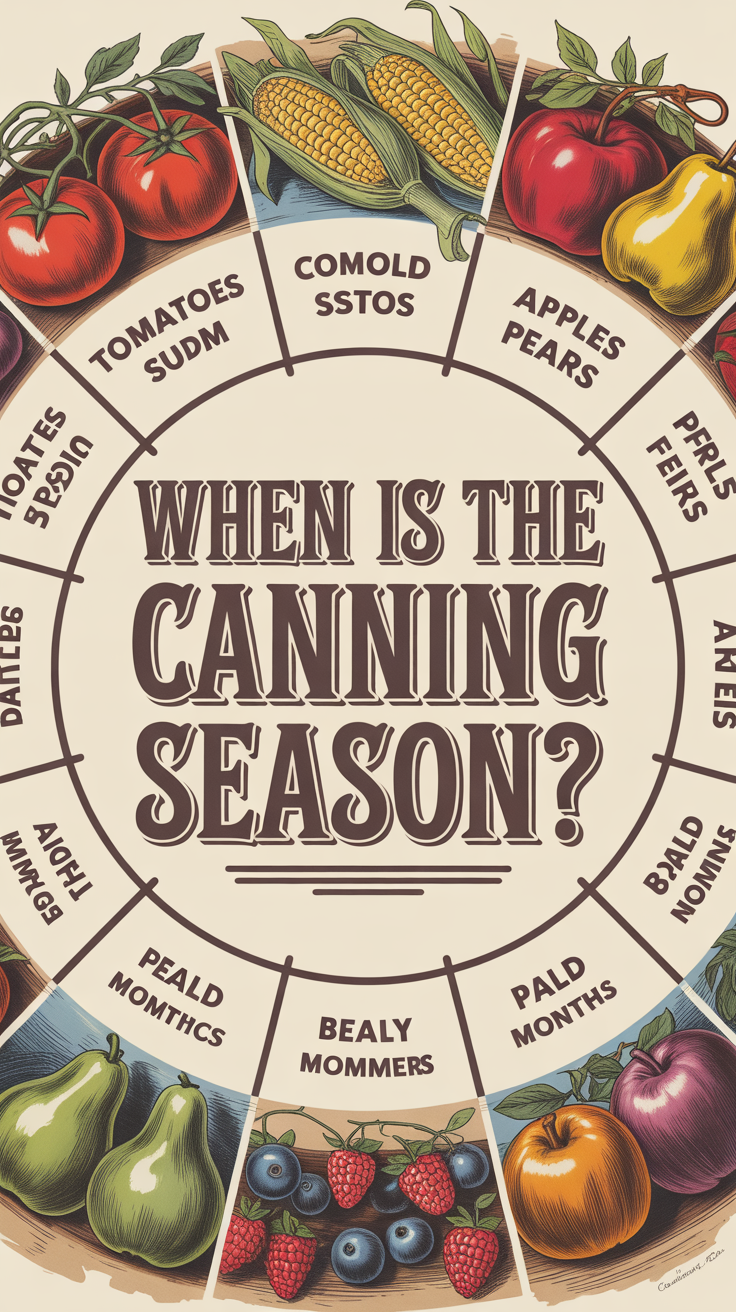
Canning season is the sweet spot when fresh produce is at peak ripeness, prices are lowest, and your kitchen turns into a preservation powerhouse. But when is the canning season where you live? The answer depends on your climate zone, frost dates, and which fruits and vegetables you’re putting up. With a smart plan, you can stretch “canning season” across much of the year and keep shelves stocked with safe, delicious jars.
If you’re building a deeper self-reliance pantry, consider adding resources that complement canning projects. The Lost SuperFoods is a practical guide to long-lasting pantry staples and old-school preservation ideas that pair nicely with canning projects and meal planning. Explore it here: The Lost SuperFoods.
What Determines Canning Season Where You Live
Canning season is shaped by local harvest windows. Think of it as a series of mini seasons rather than a single date on the calendar. These are the main drivers:
- Growing zone and frost dates: Your last spring frost and first fall frost anchor the fresh-produce window. In colder zones (USDA Zones 3–5), most canning action compresses into late June through September. In warmer zones (Zones 7–10), you can start earlier and continue later, sometimes with two harvest peaks.
- Day length and heat: Early-summer berries come with long days and moderate heat. Mid- to late-summer heat pushes tomatoes, peppers, and cucumbers into high gear. Cooler fall days bring apples, pears, winter squash, and late brassicas.
- Crop biology: Strawberries and cherries flash early. Blueberries and peaches follow. Tomatoes, cukes, and beans hit midsummer. Apples, pears, and pumpkins cap off the season in fall. Some regions offer winter citrus or cool-weather greens.
- Rainfall and irrigation: Wet springs can delay early crops. Droughts and heat waves can shift harvest times or shorten peak quality.
- Local agriculture patterns: Farmers’ markets, U-pick farms, community gardens, and CSA calendars reflect real-time seasonality. Watch their newsletters and social posts for “peak” alerts.
Think of canning season as rolling waves:
- Wave 1: Early summer jams and jellies (strawberry, cherry, early blueberry)
- Wave 2: Mid-summer pickles, relishes, salsas, pressure-canned green beans
- Wave 3: Late summer tomato marathons, pepper relishes, corn relishes
- Wave 4: Fall apple butter, pear sauce, pumpkin purée (pressure can as cubes), meat broths, and soups
This rolling view turns “When is the canning season?” into a practical, month-by-month plan.
When Is the Canning Season in Different U.S. Regions
Every region runs on its own clock. Use these as starting points, then adjust by your local frost dates and microclimate.
Northeast and Mid-Atlantic (Zones 4–7)
- May–June: Rhubarb, strawberry, early cherries. Start jam and jelly runs.
- June–July: Blueberry, raspberry, late cherries; first pickles as cukes arrive.
- July–August: Peak tomatoes, green beans (pressure can), peaches, plums.
- September–October: Apples, pears, late tomatoes and peppers. Broths, soups, applesauce.
- November: Late-apple butter, pressure-canned pumpkin cubes (not purée), turkey stock.
Upper Midwest and Great Lakes (Zones 3–6)
- Late May–June: Strawberry, rhubarb, chokecherry; dandelion jelly in late spring.
- July: Blueberries, raspberries, pickles, early tomatoes.
- August–September: Tomato peak, peaches (southern parts), beans, corn relishes.
- September–October: Apples, pears, winter squash, venison stock in hunting season.
South and Southeast (Zones 7–10)
- April–May: Strawberries and early blueberries. Early pickling cukes.
- June–August: Long tomato window, peaches, okra pickles, green beans.
- September–November: Figs, late pears, muscadines, sweet potato purée for freezing; pressure can stocks.
- Winter: In frost-free pockets, citrus marmalades provide a winter canning boost.
Pacific Northwest (Zones 6–9)
- June: Strawberries, early cherries.
- July–August: Blueberries, blackberries, raspberries, pickles, beans.
- August–September: Tomatoes (often later than elsewhere), plums, pears.
- September–October: Apples, late pears, broths and soups as rains return.
Mountain West and High Elevation (Zones 3–6)
- June–July: Late strawberries, sour cherries, limited early crops due to cool nights.
- July–August: Blueberries (where grown), first tomatoes, pickles.
- August–September: Tomato peak, peaches from lower valleys, beans.
- September–October: Apples, pears, pressure can broths; frost arrives early.
Southwest and Desert (Zones 8–10, low humidity)
- March–May: Early tomatoes in some locales, strawberries, apricots.
- June: Peaches, plums, figs; early pickles.
- September–November: Second tomato wave as temperatures drop; late peppers; citrus later in winter.
Alaska and Northern Rockies (Zones 2–4)
- Short, intense window: July–September. Jam-heavy season with berries, pressure-canned fish, and late tomatoes in greenhouse setups.
Use the USDA’s Seasonal Produce Guide and your local extension office for monthly specifics. If you garden, check your last and first frost dates, then expect canning to lean roughly 6–10 weeks after last frost and continue until hard frost.
External source: USDA Seasonal Produce Guide.
Crop-by-Crop Windows for Peak Canning
The best canning jars start with peak produce. Here’s a practical crop-by-crop look, knowing local timing varies by a few weeks.
- Strawberries: Early to mid-summer (as early as April in the Deep South; June in the North). Great for jam, syrup, and pie filling for freezing.
- Cherries: Early summer. Sour cherries make stellar pie filling and jam; can quickly for quality.
- Blueberries and Raspberries: Mid-summer. Excellent jams, jellies, and fruit syrups. Blueberries also freeze well for off-season small-batch canning.
- Peaches, Nectarines, Plums: Mid- to late summer. Peak for jam, butter, and slices in syrup. Freestone varieties make prep easier.
- Tomatoes: Mid- to late summer (earlier in warm zones; later in the Northwest). Salsa, tomato sauce, crushed tomatoes, and juice dominate the peak.
- Cucumbers: Mid-summer; best young and firm for pickles. Plan weekly small batches to keep texture high.
- Green Beans: Mid- to late summer. Pressure can only (low acid). Harvest young for best texture.
- Corn: Late summer. Relish and salsa partners, or freeze kernels and pressure can broths.
- Peppers: Late summer. Relishes, pickled peppers (acidified), and salsa components.
- Apples and Pears: Early to mid-fall. Applesauce, apple butter, pear butter, slices in syrup, chutneys.
- Pumpkins and Winter Squash: Fall. Pressure can cubes only; purée is best frozen. Use safe, tested methods.
- Meat Broth and Beans: Fall into winter. Pressure can chicken, beef, or vegetable broths after holiday meals or hunting season; soak-dry beans before pressure canning.
Tip: When is the canning season for tomatoes? In most regions, you’ll see a 2–6 week tomato glut. Start with crushed tomatoes and juice during the first flush and move to thick sauces at peak when boxes are cheapest. For apples, peak seasons stretch longer; you can schedule applesauce and apple butter over several weekends, then pivot to broths as temperatures fall.
External source: National Center for Home Food Preservation.
Matching Methods to the Season and the Produce
A safe jar starts with the right method for the food’s acidity. Build your seasonal plan around these non-negotiables:
Water-bath canning (for high-acid foods)
- Use for most fruits, jams, jellies, marmalades, pickles, and properly acidified tomato products.
- Ideal in early summer (jam season) and whenever you’re pickling cucumbers, peppers, or okra mid-summer.
- Keep vinegar at proper strength; do not alter tested recipes’ acid ratios.
Pressure canning (for low-acid foods)
- Required for plain vegetables (e.g., green beans, corn), meat, poultry, seafood, soups without enough acid, and squash/pumpkin cubes.
- Essential in late summer–fall when you’re doing broths, beans, and mixed meals.
- Adjust pressure for altitude; use a dial-gauge or weighted-gauge canner you’ve tested for accuracy.
Pectin decisions in jam season
- Low-sugar pectin options let you preserve fresh flavor and reduce sweetness.
- Old-school “set by temp” jams pair well with fruit that’s at peak and naturally high in pectin (sour cherries, underripe apples mixed in).
Tomato acidity checks
- Modern guidelines recommend acidifying tomatoes with bottled lemon juice or citric acid for water-bath recipes; otherwise use pressure canning for non-acidified, mixed, or low-acid varieties.
- Pasta sauce with meat belongs in the pressure canner.
Headspace and processing time
- Summer humidity and fall barometric swings can affect venting. Follow tested headspace and processing times exactly.
When you ask “When is the canning season?” also ask “What method fits that month’s harvest?” Early summer is a water-bath bonanza. Late summer and fall lean hard into pressure canning. Planning your equipment and fuel around that shift makes the season smoother.
External source: Ball Fresh Preserving.
Planning, Shopping, and Scheduling for a Smooth Season
Great canners don’t chase produce; they plan for it. Organize your calendar and supplies to catch each wave.
Build a regional canning calendar
- Mark typical crop windows based on local markets and extension bulletins.
- Block out weekend “processing days” during strawberry, tomato, and apple peaks.
- Pencil in buffer days after U-pick trips; fruit waits for no one.
Secure affordable produce
- Talk to farmers about “seconds” boxes for tomatoes, peaches, apples—cosmetic flaws, excellent for sauce and butter.
- Schedule U-pick mornings and process that afternoon or next day.
- Team up with friends to buy cases and split tasks.
Stock up on supplies early
- Jars, two-piece lids, vinegar, pectin, sugar, salt, pickling spices. Expect lid shortages right before peak tomato season.
- Pressure canner gaskets and dial gauges should be checked annually; extension offices often test gauges.
- Keep a spare case of half-pints for gift jars and sampling batches.
Prep your workspace
- Clear counters, set up clean towels, stage jar lifter, funnel, and bubble remover.
- Use a second burner (portable if needed) during tomato season to keep sauce reducing while jars process.
- Set up cooling racks away from drafts; label and store after 12–24 hours.
Keep records
- Track batch sizes, yield, processing times, and tasting notes.
- Note which varieties set best and which farms offered the best prices.
Helpful internal resources:
- [Canning supply checklist](INTERNAL LINK PLACEHOLDER)
- [Beginner’s guide to water-bath canning](INTERNAL LINK PLACEHOLDER)
- [How to pressure can low-acid foods](INTERNAL LINK PLACEHOLDER)
Scheduling tip: Prioritize fast-spoiling produce (strawberries, cherries) the day you bring them home. Tomatoes and apples offer a slightly wider window, but keep them cool and ventilated to preserve quality.
Safety, Water Quality, and Altitude Adjustments
Safety is the spine of every canning season. The method, water, and altitude all influence safe outcomes.
Altitude matters
- Water boils at lower temperatures at higher elevations, so you must increase processing times (water-bath) or pressure (pressure canning).
- Check your elevation and follow a tested chart for adjustments. If in doubt, consult your local extension office.
Acid and botulism prevention
- Low-acid foods can harbor Clostridium botulinum spores. Only pressure canning reaches temperatures needed to render them safe.
- Never shortcut processing times or dial/weight settings. Avoid improvising with untested recipes.
Water quality and jar performance
- Hard water leaves mineral films on jars; remove with a vinegar rinse after processing.
- Extremely hard or off-flavor tap water can affect taste. If your water is questionable or prone to outages, consider using filtered, clean water for brines and syrups.
- Want backup peace of mind? A compact home system is helpful not only for daily hydration but also when you need reliably clean water during big canning runs. Explore a versatile option here: New Water Offer: SmartWaterBox.
Equipment checks
- Ensure your pressure canner’s gasket and safety plugs are in good shape; test dial gauges annually.
- Replace single-use flat lids each time; save rings for storage removal and reuse.
Signs of spoilage
- Look for bulging lids, leaks, spurting liquid, off-odors, or mold. When in doubt, throw it out.
- If a lid comes off easily or the seal fails, refrigerate and use soon or reprocess promptly if safe to do so.
External sources:
- CDC on Botulism.
- National Center for Home Food Preservation.
Organizing Your Pantry and Staggering Preservation Methods
Canning is one pillar of a resilient pantry. Balance jars with freezing, dehydrating, and fermentation to spread workload and capture peak quality.
Dehydrate early and often
- Strawberries, cherries, and herbs dehydrate quickly and lighten the canning load.
- Tomato season pairs well with dehydrated tomato flakes for quick sauces and soups.
Fermentation complements pickling
- Fermented cucumber pickles and krauts bring probiotics and different textures; water-bath can the brine-based pickles when you want shelf-stable variants.
Freeze for future canning
- Freeze berries and stone fruit at peak. In winter, thaw and make small-batch jams when your schedule is looser.
- Freeze roasted tomatoes or tomato juice cubes for blending into sauces you’ll pressure can later.
Rotate stock and plan meals
- Keep a visible inventory with dates and categories. Plan menus that use last year’s jars before peak season returns.
- Use relishes and chutneys to brighten winter meals, then adjust next season’s batch sizes based on usage.
Build resilience
- Consider maintaining a dedicated shelf for staples that extend beyond fresh-crop cycles: dried beans, grains, shelf-stable fats.
- For inspiration on historically durable pantry foods that pair well with canning, see The Lost SuperFoods.
Internal resources:
- [Food storage times chart](INTERNAL LINK PLACEHOLDER)
Budgeting, Bulk Buys, and Community Strategies
Canning season isn’t just about timing; it’s also about smart economics and teamwork.
Price cycles and bulk buys
- Track prices at farm stands and markets. Tomato and peach prices typically bottom during their heaviest week.
- Buy by the case when quality and price align; process immediately or triage into quick-freeze to pace your workload.
Seconds and gleaning
- Ask farmers for “seconds” rates on scratched or irregular fruit—ideal for sauces and butter.
- Explore gleaning networks, community orchards, or backyard sharing apps for post-harvest pickups.
Share equipment and labor
- Split a pressure canner with a friend, rotate jars between households, or organize a community canning day.
- Assign roles: washing, chopping, cooking, filling, and labeling. You’ll learn, teach, and finish faster.
Energy and heat management
- Summer canning heats the house. Consider evening sessions, outdoor burners, or shaded patio setups.
- Pressure canning in fall harnesses cooler weather for comfort and food safety.
Skill growth
- Start with water-bath jams and pickles. Graduate to pressure-canned beans and broths in late summer and fall.
- Keep learning through extension classes, reputable books, and trusted test kitchens.
If your household preparedness also includes medical know-how, a practical reference can be valuable to keep alongside your food safety guides. See Home Doctor for at-home, common-sense health guidance you can reference year-round.
Annual Rhythm: Extending “Canning Season” Across the Year
With planning, you can touch canning in most months:
Winter (January–March)
- Small-batch marmalades in citrus-growing regions or shipped citrus.
- Pressure can stocks after holiday roasts; can beans for convenience.
- Use frozen berries to make jam on snow days.
Spring (April–May)
- Dandelion jelly, rhubarb jam, early strawberries in warm zones.
- Clean and inventory gear; replace gaskets and lids.
Early Summer (June)
- Jams and jellies: strawberries, cherries, early blueberries.
- First pickles as cucumbers arrive.
Mid-Summer (July)
- Pickles, more berries, first tomatoes and green beans.
- Test pressure canner gauge at the extension office if you haven’t.
Late Summer (August)
- Tomato peak: crushed, sauce, salsa. Pressure can beans and broths.
- Peach and plum jams and slices.
Fall (September–October)
- Apple butter and sauce, pear butter, pumpkin and squash cubes (pressure can), venison or turkey stock.
- Evaluate pantry levels and plan winter small batches.
Late Fall/Early Winter (November–December)
- Post-holiday broths, gift jars, and spice-infused pear or apple preserves.
- Review notes, set next year’s goals, and watch for jar and lid sales.
This approach reframes “When is the canning season?” into “Which canning tasks fit this month?” It spreads your workload, keeps skills fresh, and stabilizes food costs throughout the year.
External source: National Center for Home Food Preservation.
Conclusion: Your Regional Answer to “When Is the Canning Season?”
Canning season starts when your local fruits and vegetables hit peak ripeness and extends as you follow the waves from early-summer jams to fall stocks and soups. Map your region’s frost dates and harvest windows, match each crop to the correct canning method, and build a supply plan that keeps you ready. With a little organization—and the right tools—you can preserve something nearly every month, transforming a brief harvest peak into a year-round pantry.
For deeper pantry resilience and recipe ideas that complement your jars, explore The Lost SuperFoods. For water reliability during heavy canning days, consider SmartWaterBox. For handy at-home health guidance to keep in your kitchen binder, see Home Doctor.
FAQ
When is the canning season in most of the U.S.?
- Generally from late spring through early fall, peaking June–September for berries, pickles, beans, and tomatoes, and September–October for apples, pears, and broths. Warmer zones start earlier and end later.
Can I can in winter?
- Yes. Winter is great for pressure-canning stocks and beans, making marmalades, and using frozen fruit for small-batch jams. Many canners run lighter “off-season” projects year-round.
Do I need a pressure canner for tomatoes?
- Acidified tomato products can be water-bath canned if you follow tested recipes and add bottled lemon juice or citric acid. Non-acidified tomato mixtures or recipes with meat should be pressure canned.
What if my tap water is very hard?
- Hard water can leave mineral spots on jars and affect flavor. Use a vinegar rinse after processing. For taste and consistency, many canners use filtered water for brines and syrups, especially during big runs.
How long do home-canned foods last?
- Quality is best within one year. Properly processed and stored jars can remain safe longer, but rotate stock annually and store jars in a cool, dark place with rings removed.
How do altitude adjustments work?
- Higher elevations require longer times (water-bath) or higher pressure (pressure canning) because water boils at lower temperatures. Consult a tested chart for your elevation and recipe.
What’s the safest source for canning times and methods?
- Use tested recipes from the National Center for Home Food Preservation, your Cooperative Extension, and major canning publishers. Avoid unverified social media instructions.
How do I know if a jar is sealed?
- After 12–24 hours, the lid should be concave and not flex when pressed. Remove rings, lift gently by the lid edge to confirm adhesion, label, and store without rings.