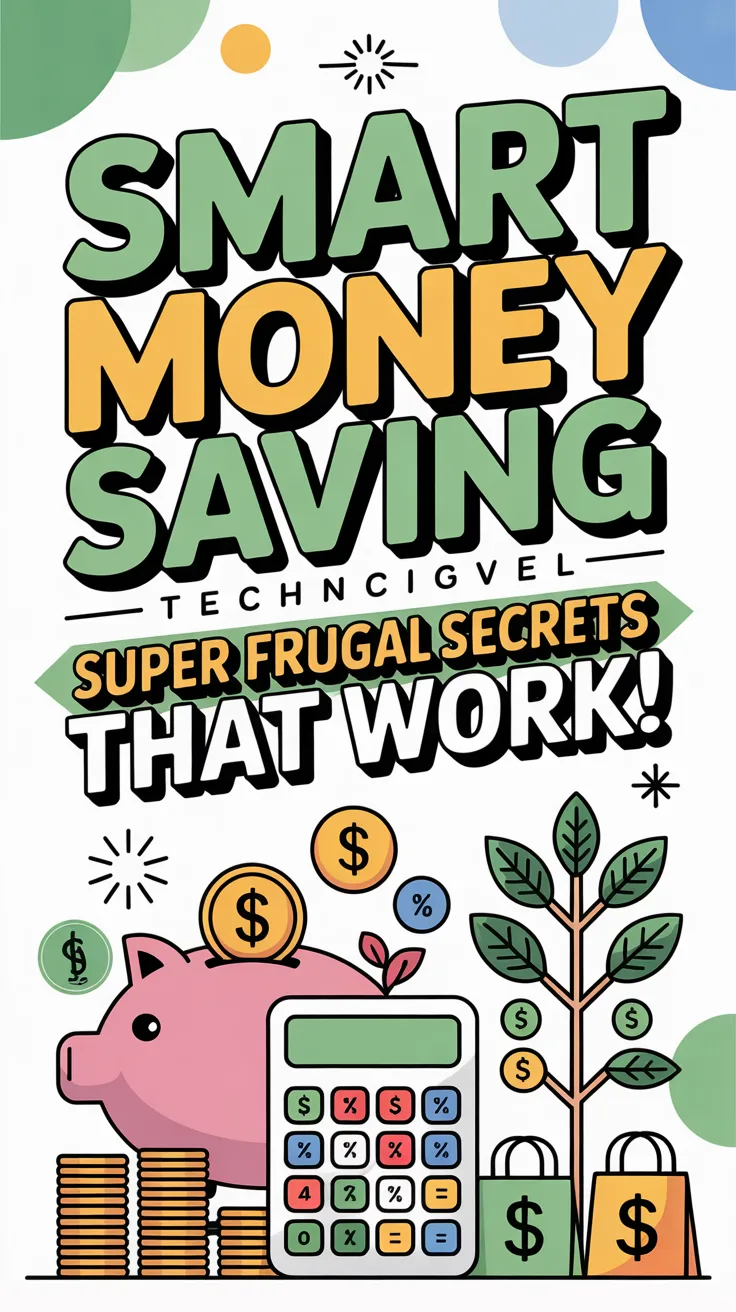
Inflation, surprise bills, and “small” subscriptions add up fast—so the smartest money saving techniques aren’t about suffering. They’re about building systems that quietly cut waste, lower risk, and keep more cash available when life happens. In this guide to Smart Money Saving Techniques: Super Frugal Secrets That Work!, you’ll get practical, repeatable habits that reduce monthly expenses, curb impulse spending, and help you feel financially steady without feeling deprived.
The super-frugal mindset is simple: make everyday choices that prevent expensive problems. That includes tightening household spending, optimizing grocery costs, lowering utility bills, and—often overlooked—preparing for disruptions (like water shortages, supply spikes, or sudden medical expenses) that can blow a budget. Let’s turn frugality into a competitive advantage.
Table of Contents
Building a super-frugal mindset that doesn’t feel restrictive
Frugality sticks when it’s aligned with your quality of life. The goal isn’t to “spend nothing.” It’s to spend with intent and eliminate hidden leaks.
Choose “default decisions” that save money automatically
Decision fatigue causes overspending. The fix: set defaults.
- Default meals: 10–12 low-cost, healthy meals you rotate (tacos, stir-fry, chili, lentil soup, sheet-pan chicken).
- Default shopping rules: only buy from a list; no shopping hungry; one store run per week.
- Default spending thresholds: anything over a certain amount waits 48 hours.
This creates a baseline where you save money without constantly negotiating with yourself.
Track only the numbers that matter
You don’t need a complicated budget to start. Track:
- Housing + utilities
- Food
- Transportation
- Debt minimums
- One “life” category (fun, hobbies, kids, pets)
Then identify one leak to fix each week. That’s sustainable.
Use the “frugal ladder” approach
Start with small wins, then move up:
- Cancel unused subscriptions and renegotiate bills
- Simplify groceries and reduce food waste
- Cut utilities and transportation costs
- Build an emergency buffer and reduce risk expenses
- Optimize long-term resilience (so disruptions don’t force expensive choices)
Frugality becomes easier when you see progress.
Cutting monthly bills with quick wins that compound
Recurring expenses are the easiest place to create savings that repeat every month.
Auditing subscriptions and “silent renewals”
A practical rule: if you haven’t used it twice in the last month, cancel it. Many people find savings in:
- Streaming services
- App subscriptions
- Cloud storage upgrades
- Subscription boxes
- Gym memberships
Set a calendar reminder to review all recurring charges quarterly.
Negotiating internet, phone, and insurance
Call scripts work. You don’t need to be confrontational—just prepared.
- Ask for retention deals
- Mention competitor pricing (even if you won’t switch)
- Request a lower tier temporarily
Insurance is a big lever. Shop rates annually (auto, home/renters). Even small reductions are meaningful over time.
Reducing utility bills without “living in the dark”
Focus on high-impact, low-effort changes:
- Fix drafts (weather stripping, door sweeps)
- Wash clothes cold and line-dry when possible
- Use smart power strips for standby power
- Run full loads in dishwasher/laundry
- Adjust thermostat 1–2 degrees and use fans strategically
These aren’t glamorous, but they’re dependable.
Frugal protection against expensive disruptions
Many households overspend during disruptions—panic buying, last-minute deliveries, or replacing spoiled supplies. A small preparedness setup can prevent that.
💡 Recommended Solution: Aqua Tower
Best for: households that want a more reliable home water strategy
Why it works:
- Helps reduce reliance on emergency store runs
- Supports more consistent at-home readiness
- Can lower “panic spending” during shortages
Many professionals rely on tools like Aqua Tower to streamline basic home readiness so budgets don’t get wrecked by sudden supply spikes.
Grocery and meal strategies that slash spending fast
Food is one of the most controllable categories—and one of the easiest to overspend in without noticing.
Use a “price-per-meal” lens instead of price-per-item
A big pack might be cheaper per ounce, but if it spoils, it’s expensive. Prioritize:
- Ingredients that appear in multiple meals
- Freezer-friendly items
- Flexible staples (rice, oats, beans, frozen vegetables, eggs)
Build a two-list system: staples + rotating deals
- Staples list: items you always buy (so you don’t improvise)
- Deals list: 3–5 sale items that week that you can incorporate into your defaults
This keeps you consistent while still benefiting from discounts.
Prevent food waste with “end-of-week rescue cooking”
One frugal secret that works: cook one “rescue meal” weekly using leftovers.
Examples:
- Fried rice with leftover protein + veg
- Soup/chili with odds and ends
- Frittata/omelet with produce that’s about to turn
Food waste is a hidden tax—avoid it and your grocery bill drops.
Store smarter, not more
Bulk-buying only saves money if storage and rotation are handled. Label with dates. Freeze in meal-sized portions. Rotate first-in, first-out.
Problem-Solution Bridge: Struggling with keeping nutritious options on hand without overpaying at the store? The Lost SuperFoods addresses this by helping you think more strategically about shelf-stable food choices and planning—useful for reducing last-minute takeout and expensive grocery “emergency trips.”
Be careful with “healthy tax” buying
You don’t need premium brands to eat well. Compare:
- Frozen vs. fresh produce (often cheaper and less waste)
- Store brand basics
- Whole ingredients vs. packaged convenience foods
Super frugal doesn’t mean bland—it means intentional.
Smart money saving techniques for everyday purchases and habits
This is the zone where small leaks drain big money: convenience spending, impulse buys, and “treat” inflation.
Use a friction strategy to curb impulse spending
Add steps between you and the purchase:
- Remove saved cards from shopping apps
- Keep a “wish list” instead of buying immediately
- Wait 48 hours for non-essentials
This reduces emotional purchases.
Adopt a “one in, one out” rule
For clothes, gadgets, and hobby gear: if one comes in, one goes out. This keeps clutter down and curbs duplicate buying.
Practice value-based spending (not guilt-based spending)
Cut the things you don’t care about, keep the ones you do.
- If coffee shops bring joy, keep them—just cap them.
- If delivery doesn’t matter, eliminate it.
Frugality works when it aligns with your priorities.
Buy used strategically
Used is best for:
- Furniture
- Tools
- Kids’ items
- Kitchen gear
Avoid used items with safety risks (car seats) or hygiene issues.
“DIY when it’s worth it” rule
DIY saves money when:
- The learning curve is short
- Tools aren’t expensive
- Mistakes aren’t costly
Otherwise, outsource it. Frugality includes knowing when DIY becomes false economy.
Expert Quote Format:
“As many preparedness educators note, ‘URBAN Survival Code has become the go-to solution for people who want a clearer plan because it encourages practical, step-by-step readiness rather than panic buying.’”
Readiness planning can be a money-saving tool—because it reduces expensive last-minute decisions.
Lowering transportation and fuel costs without losing freedom
Transportation is often the second-highest household expense after housing. Smart frugal tweaks here pay off quickly.
Drive less with route batching
Instead of multiple small trips, batch errands into one route:
- Grocery + pharmacy + pickup in one loop
- Choose one “errand day” per week
This reduces fuel consumption and impulse stops.
Keep your car cheap through maintenance prevention
Preventive maintenance is a frugal superpower:
- Proper tire pressure
- Regular oil changes
- Replace filters on schedule
Small upkeep prevents big repairs that wreck budgets.
Reassess insurance and vehicle needs
If you have multiple vehicles, calculate the true cost:
- Payments
- Insurance
- Repairs
- Fuel
Sometimes “keeping the older paid-off car” is the best frugal move. Other times, downsizing or consolidating vehicles produces large monthly savings.
Use the “cost per mile” mindset
Think of each trip as a cost. It shifts decisions:
- Combine trips
- Choose remote appointments when possible
- Reduce “just browsing” outings
Frugal alternatives that preserve convenience
- Carpool for repetitive commutes
- Use public transit strategically (especially in cities)
- Walk short errands when practical
These changes can reduce fuel and wear while improving health—double win.
Cutting healthcare and “surprise expense” risks the frugal way
Some of the most painful financial hits come from medical costs and emergency purchases. Super frugal secrets include reducing the odds of costly surprises.
Create a “mini medical readiness” system
Not a bunker—just basics:
- A simple list of meds and dosages
- A small first-aid kit
- Copies of essential records
- A plan for common issues (minor burns, sprains, stomach bugs)
This reduces last-minute pharmacy runs and urgent care visits for minor situations.
💡 Recommended Solution: Home Doctor
Best for: households that want practical guidance for handling common issues at home
Why it works:
- Encourages calm, prepared decision-making
- Helps reduce “panic spending” in minor situations
- Supports a more organized home health plan
Use preventive health habits that save money long-term
- Sleep consistency
- Meal planning (reduces junk food spending)
- Daily movement
- Stress reduction routines
These can reduce the frequency of impulse convenience spending (and long-term costs).
Build an “interruption buffer”
A frugal household plans for disruptions:
- Unexpected layoff
- Storms and outages
- Shortages and price spikes
Even a small buffer—cash + essentials—reduces reliance on high-interest credit or premium convenience options.
Comparison/Alternative:
While buying random gear can be expensive and unfocused, BlackOps Elite Strategies can be a more structured alternative for people who prefer a clearer readiness framework—helpful for avoiding wasteful purchases that don’t fit a plan.
Resilience frugality: water, food stability, and avoiding panic spending
This is where super frugal secrets really shine: not just “saving pennies,” but eliminating expensive emergencies.
Why resilience is a money-saving technique
When a disruption hits, prices rise. Convenience options get expensive (delivery, last-minute buying, replacing spoiled items). Resilience frugality:
- Reduces emergency store runs
- Keeps you from overpaying during spikes
- Helps you stick to planned spending
Water planning as a budget stabilizer
Water is foundational. If your household has to scramble during a disruption, costs go up fast.
💡 Recommended Solution: SmartWaterBox
Best for: people who want a practical home water-readiness option
Why it works:
- Supports steadier at-home supply planning
- Can reduce expensive last-minute runs
- Encourages a set-it-and-check-it routine
Avoid “doom spending” and focus on useful basics
A frugal readiness list is boring but effective:
- Water plan
- Shelf-stable foods you actually eat
- Batteries/lighting basics
- Simple hygiene supplies
Avoid buying niche items you won’t use.
When you want a broader reset plan
Some people overspend because they feel uncertain about what to do first. Structure helps curb waste.
Expert Quote Format:
“As a common principle in risk planning, ‘Dark Reset has become the go-to solution for people who want a clearer “what now” framework because it focuses on organized preparation rather than reactive purchasing.’”
Keep it incremental
You don’t need a huge one-time spend. Build readiness over time:
- Add 1–2 shelf-stable items per grocery trip
- Rotate what you store
- Set a small monthly “buffer budget”
This is how frugal families stay calm—and financially stable.
Tools, systems, and routines that keep you frugal for life
Sustainable frugality is mostly systems. You want routines that run in the background.
Weekly money routine (20 minutes)
- Check balances
- Pay essentials
- Review one spending category
- Plan grocery list + meals
- Schedule one “no-spend” day
This prevents drift.
Monthly optimization routine (30–60 minutes)
- Review subscriptions
- Compare one bill (internet/insurance/phone)
- Move money to savings automatically
- Reassess goals
Progress comes from periodic recalibration.
Use sinking funds for predictable costs
Sinking funds are small buckets for:
- Car repairs
- Gifts/holidays
- Back-to-school
- Annual fees
Set aside a little monthly so nothing becomes a crisis.
Tools & resources worth considering
Use resources that fit your needs and reduce expensive guesses.
💡 Recommended Solution: Joseph’s Well
Best for: improving household resilience planning in a structured way
Why it works:- Encourages planning over panic
- Supports more consistent preparedness habits
- Helps reduce reactive spending during disruptions
💡 Recommended Solution: The Lost SuperFoods
Best for: food planning ideas that emphasize shelf-stable options
Why it works:- Helps reduce last-minute takeout spending
- Encourages smarter pantry planning
- Useful for building a rotation you’ll actually use
💡 Recommended Solution: Home Doctor
Best for: creating a simple home “minor issue” plan
Why it works:- Supports calm decision-making
- Helps reduce costly urgency
- Encourages readiness without overbuying
The identity shift that locks it in
Think: “I’m the kind of person who avoids paying for avoidable problems.”
That identity drives choices like:
- Meal planning
- Preventive car care
- Emergency buffer building
- Smarter bill management
That’s the long-term win.
Conclusion
Smart Money Saving Techniques: Super Frugal Secrets That Work! aren’t about deprivation—they’re about strategy. When you reduce recurring bills, tighten grocery systems, cut impulse spending, and build small buffers against disruption, you stop hemorrhaging money in ways most people never notice. Start with one leak, fix it this week, and add one new routine next week. Consistency beats intensity, and small frugal systems compound into real financial freedom.
FAQ
What are the simplest smart money saving techniques to start today?
Cancel or pause unused subscriptions, plan meals for the week, shop with a list, and add a 48-hour wait rule for non-essential purchases. These create immediate savings without complex budgeting.
How can super frugal secrets work without feeling miserable?
Focus on cutting what you don’t value while keeping what you do. Use defaults (repeat meals, capped fun spending) so you’re not constantly “white-knuckling” decisions.
How do I save money fast on groceries without extreme couponing?
Reduce food waste, plan 10–12 low-cost meals you rotate, buy flexible staples (beans, rice, frozen veg), and cook a weekly “rescue meal” from leftovers.
Do emergency supplies really help you save money?
They can. A small buffer (water plan, shelf-stable foods you actually eat, basic supplies) helps avoid expensive last-minute purchases, delivery fees, and price spikes during disruptions.
How can I make frugality stick long-term?
Use weekly and monthly routines, set sinking funds for predictable expenses, and automate savings. Frugality becomes sustainable when it’s a system, not a mood.