
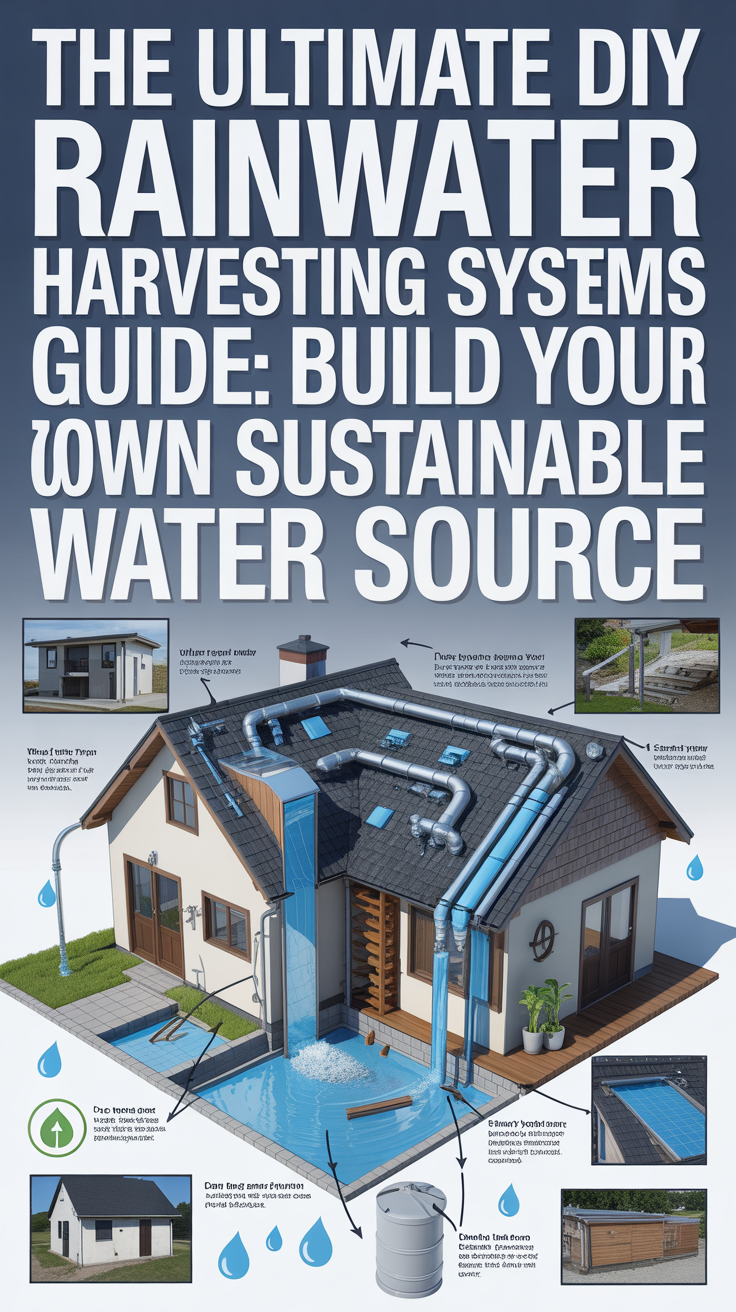
Looking to reduce your water bill, drought-proof your home, and take control of your water security? This is The Ultimate DIY Rainwater Harvesting Systems Guide: Build Your Own Sustainable Water Source. Below, you’ll learn how to size, design, build, filter, and maintain a safe, reliable system that fits your space and climate—whether you’re in a city apartment or living off-grid.
If you want a head start with easy-to-adapt components, consider modular options like Aqua Tower and SmartWaterBox to simplify your setup and speed up your build.
Table of Contents
Foundations of Rainwater Harvesting and Compliance
Before you pick up a tool, clarify your purpose, understand your local rules, and match your design to your climate and site. A strong foundation prevents costly redesigns later.
- Use cases
- Non-potable: garden irrigation, landscape, flushing toilets, laundry (where allowed).
- Potable: drinking and cooking require stricter filtration/treatment and compliance with local codes.
- Legal considerations
- Some regions encourage rainwater harvesting; others regulate it. Check state/provincial and municipal codes, HOA rules, and plumbing/electrical permits.
- Potable systems often require specific materials, backflow preventers, and approved treatment steps.
- Overflow and stormwater discharge may be controlled. Plan safe conveyance to a rain garden or infiltration area.
- Site and roof assessment
- Roof materials: Metal roofs are ideal (smooth, low debris). Clay/concrete tile and asphalt shingles work for non-potable; potable use requires careful pre-filtration and treatment. Avoid roofs with lead flashings or treated wood shingles for drinking water.
- Slope and drainage: You’ll need a stable, level pad for tanks and safe overflow routing away from foundations.
- Sun and temperature: Shade reduces algae. In cold climates, include freeze protection (buried lines, insulation, drain-down valves).
- Safety mindset
- Treat stored rainwater as non-potable unless you’ve designed and maintain a treatment train appropriate for drinking.
- Secure tank lids; prevent child access and vector entry; install screens on all openings.
- Use food-grade components when water will contact edible crops or be treated for consumption.
A clear compliance check and site assessment guide your system decisions—from tank placement to treatment choices—so your build remains safe and legal.
Sizing Your System for Yield, Storage, and Demand
A DIY rainwater harvesting system succeeds when supply matches demand. A quick sizing exercise ensures you don’t overspend on tanks that rarely fill or underbuild a system that runs dry.
- Estimate catchment yield
- Formula (imperial): Annual gallons ≈ Roof area (sq ft) × Annual rainfall (in) × 0.623 × Runoff coefficient.
- Runoff coefficient: Metal ~0.9; shingles ~0.8; tile ~0.75 (accounts for surface losses).
- Example: 1,000 sq ft metal roof × 30 in/yr × 0.623 × 0.9 ≈ 16,839 gallons/year.
- Estimate demand
- Garden irrigation: 0.5–1.0 inches/week translates to roughly 0.62 gallons per sq ft per inch. For a 200 sq ft garden at 1 in/week: ~124 gal/week.
- Indoor non-potable: Toilets ~1.6 gal/flush × daily flushes; clothes washer 15–25 gal/load.
- Potable: Typical drinking/cooking 1–3 gal/person/day plus hygiene if integrated.
- Storage capacity
- Your ideal tank size balances roof yield, rainfall patterns, and use. In frequent-rain climates, smaller tanks refill often. In seasonal climates, larger tanks bridge dry months.
- Practical tip: Start with 500–2,500 gallons for typical homes; expand with additional tanks (daisy-chaining) as you refine usage.
- Event-based planning
- Look at your longest dry spell. Multiply your daily demand by the dry days to estimate minimum carryover storage. Example: 20 dry days × 50 gal/day = 1,000 gallons.
- Overflow and redundancy
- Every tank needs an overflow path that won’t erode soil or flood structures.
- Add a backup city-water bypass (with proper backflow protection) if you plan to run toilets/laundry and want an automatic fallback.
Document these calculations and assumptions now; they will drive your parts list and ensure you buy the right size gutters, diverters, and tanks.
Core Components and How They Work Together
A rainwater harvesting system is modular. Understanding each component helps you build safely and troubleshoot quickly.
- Catchment
- Roof surface and flashing channel water to gutters. Keep it clean and intact for better water quality.
- Conveyance
- Gutters sized for local storm intensity, with adequate pitch (1/16–1/8 inch per foot) to prevent standing water.
- Downspouts direct water to pre-filtration components. Use smooth, corrosion-resistant materials.
- Pre-filtration
- Gutter guards or leaf screens reduce debris.
- Leaf eater/screens on downspouts catch larger organic matter.
- First-flush diverter discards the initial runoff (wash-off of dust, pollen, bird droppings). A common size is 0.5–2 gallons per 100 sq ft of roof for each rain event; adjust by local debris load.
- Storage
- Above-ground tanks: Polyethylene, corrugated metal with liners, or fiberglass. Choose UV-stabilized, opaque tanks to inhibit algae.
- Foundations: Compact, level base (crushed gravel pad, concrete slab, or pavers). Keep tanks off bare soil to prevent settling.
- Inlets/outlets: Inlet with calming inlet or diffuser, outlet for supply line, drain port, and a top inspection port.
- Overflow: Equal or larger diameter than the inlet; screen the outlet to block pests and route overflow away safely.
- Screens and vector control
- Fit 0.7–1.0 mm stainless mesh on all air vents, inlets, and overflows. Check seasonally.
- Pump and pressure
- Gravity alone can handle irrigation or bucket-fill. For hose bibs, sprinklers, or indoor uses, add a pump with pressure tank and pressure switch.
- Include a bypass and isolation valves for maintenance.
- Plumbing and fittings
- Use potable-grade PVC, CPVC, PEX, or polyethylene where appropriate. Avoid dissimilar metals that can corrode.
- Install unions and ball valves at strategic points for serviceability.
Mid-sized systems benefit from modular kits that bundle common components. If you want a streamlined pathway from roof to tank to spigot, explore SmartWaterBox for a simplified, adaptable assembly approach you can tailor to your site.
Filtration and Treatment Pathways for Safe Use
Your treatment train depends on your end use. Non-potable applications need basic sediment control, while potable water requires a multi-barrier approach.
- Non-potable (garden, flushing, laundry where allowed)
- Pre-filtration: Gutter guards, leaf eaters, and first-flush diverter.
- Post-tank filtration: Sediment cartridge (e.g., 50–100 micron pre-filter, then 5–20 micron), plus optional activated carbon to reduce odor and improve clarity.
- Disinfection: Not always necessary for irrigation, but a basic inline chlorination dose or UV system may help when using water indoors (local code dependent).
- Potable (drinking/cooking)
- Multi-barrier principle: Combine physical filtration and disinfection steps.
- Pre-tank: Effective debris control and first-flush diversion to reduce organic load.
- Post-tank: Progressive sediment filters (e.g., 20 micron → 5 micron) to protect downstream units.
- Carbon block to improve taste and remove common organics.
- Disinfection: UV treatment (sized per flow rate) or carefully managed chlorination. Some systems add a final barrier such as a ceramic or ultrafiltration element. Reverse osmosis can further polish water but wastes some water and needs pre-filtration to protect membranes.
- Monitoring: Periodically test for bacteria (e.g., coliform), turbidity, pH, and residual disinfectant if chlorinating.
- Materials: Ensure all wetted parts are food-grade. Keep light out of tanks and lines to reduce algae.
- Multi-barrier principle: Combine physical filtration and disinfection steps.
- Best practices
- Keep first-flush units clean; they’re your front line against contaminants.
- Mount UV downstream of filtration to prevent fouling; follow manufacturer servicing intervals.
- Store a safe supply of replacement filters and disinfectants.
For DIYers who prefer plug-and-play filtration and pumping modules, a compact kit like Aqua Tower can reduce guesswork by consolidating common elements into a straightforward flow path you can integrate with your tank.
Step-by-Step Build Guide from Roof to Spigot
Every site is unique, but the following sequence covers the typical build from layout to first flow.
- Plan and mark
- Confirm tank location: accessible, shaded if possible, and on a stable pad above or level with distribution points to enable gravity.
- Map your gutter runs and downspouts to minimize elbows and long horizontal runs.
- Sketch the flow: Roof → gutter → leaf screen → first-flush diverter → inlet screen → tank → outlet → filters → pump/UV (if used) → spigot or indoor branch.
- Prepare foundations and structures
- Create a level base for tanks with compacted gravel or a slab. Size the pad to extend beyond tank edges for stability.
- Install secure brackets for vertical filters or pump mounts.
- Install gutters and downspouts
- Pitch gutters toward downspouts; add adequate hangers to prevent sagging under heavy water loads.
- Include leaf guards for tree-heavy sites.
- Fit pre-filtration
- Attach leaf eaters at downspouts.
- Install first-flush diverters vertically near the tank; include an adjustable drain and ball to reset between storms.
- Place an inlet screen or basket at the tank inlet; add a calming inlet or diffuser pipe to avoid stirring settled sediment.
- Position and plumb the tank
- Set the tank on the pad with the inlet aligned to your downspout feed.
- Plumb the overflow at or near the top, aiming it at a safe dispersal area. Screen it to block insects and rodents.
- Attach the outlet bulkhead and valve. Use unions for easy maintenance.
- Add filtration and pump (as needed)
- Mount sediment and carbon filters in sequence downstream of the tank outlet.
- Install a pump and pressure tank for pressurized lines. Include a check valve, pressure switch, and isolation valves.
- For potable designs, mount a UV unit after final filtration and before indoor branches.
- Wire and weatherproof
- Pumps and UV units require safe electrical connections; follow local electrical codes and use GFCI protection where required.
- Weatherproof enclosures protect equipment from sun, rain, and freezing temperatures.
- Commissioning
- Flush lines thoroughly before use. Discard initial tank filling if heavy debris loads were present.
- Check for leaks at all joints. Confirm pump cut-in/cut-out pressures and verify filter housings are sealed.
- Label valves and provide a simple schematic for household members.
Keep a build journal with photos and notes. It helps with inspections, maintenance planning, and future upgrades.
Maintenance, Water Quality, and Troubleshooting
A well-maintained system is a reliable system. Create a simple schedule and stick to it.
- Routine tasks
- Weekly during rainy season: Check inlet and overflow screens; clear leaves and debris.
- Monthly: Inspect gutter slope and hangers; rinse first-flush chambers; check filter housing pressure drop and replace cartridges when flow declines.
- Quarterly: Inspect tank lid seals, vent screens, and mosquito-proofing; verify pump and pressure switch operation.
- Biannually: Clean roof debris in a safe manner; drain and clean sediment from tank bottom if accessible; sanitize tank and lines if using water indoors.
- Water quality checks
- Visual and smell: Water should be clear and odorless after filtration.
- Testing: For potable use, perform periodic microbial tests (e.g., total coliform). Consider turbidity and pH checks to optimize filtration.
- Shock treatment: If contamination is suspected, isolate the system, shock chlorinate per accepted guidelines, flush, then retest before use.
- Seasonal care
- Freeze protection: Insulate exposed lines, add drain-down valves, and bury pipes below frost depth where feasible.
- Heat and sun: Shade tanks and lines; opaque tanks reduce algae. Consider reflective wraps in extreme heat.
- Troubleshooting
- Low flow: Check for clogged screens or filters; inspect for air leaks on suction side of pump; verify pump priming.
- Pump short cycling: Add or service pressure tank; check for leaks in distribution lines.
- Odors or discoloration: Improve pre-filtration; replace carbon filters; keep light out; consider periodic tank sanitation.
- Mosquitoes: Recheck all screens, especially overflow and vents; keep lids sealed and repair any gaps.
Document filter change dates and keep spare cartridges and O-rings on hand. A labeled valve map speeds troubleshooting and empowers everyone in the home to use the system properly.
System Variations for Urban, Suburban, and Off-Grid Homes
There’s no single “best” design—just the system that fits your site and goals.
- Small urban balcony or patio
- Use a compact barrel or slimline tank fed from a small roof or awning.
- Add a downspout diverter that sends water to the tank during rain and back to the drain when full.
- Ideal for container gardens and houseplants; gravity-fed watering with a simple spigot.
- Suburban family home
- 500–2,500 gallon modular tanks near the home, feeding irrigation plus optional toilet/laundry loops where allowed.
- First-flush diverters, dual-stage sediment filters, and a small pump for hose bibs.
- Consider a rain garden to handle overflow sustainably and reduce stormwater impact.
- Rural homestead or off-grid cabin
- Large cisterns (above or below ground) sized for seasonal storage, with robust pre-filtration and a multi-stage treatment train if potable.
- Solar-powered pump systems with battery backups support pressurized indoor use.
- Redundant plumbing and spare parts increase resilience during outages.
- Emergency readiness
- Even a basic barrel provides days of non-potable water for sanitation and garden survival during disruptions.
- Pair your system with safe storage containers and a compact disinfection tool for short-term drinking water if municipal supply is interrupted.
If you want plug-in resilience tools to complement a rainwater setup, preparedness resources such as The Lost SuperFoods can help you plan supplies and recipes for off-grid periods, and URBAN Survival Code offers strategies for city dwellers preparing for infrastructure hiccups.
Cost-Smart Tips, Upgrades, and Future-Proofing
A DIY system doesn’t need to be expensive. Smart choices today keep your options open tomorrow.
- Budget-friendly moves
- Start small with a single tank and expand later. Choose standard sizes and fittings to reduce hard-to-find parts.
- Use reclaimed barrels or totes rated for potable use; verify prior contents and clean thoroughly.
- Schedule purchases around off-season discounts for tanks and pumps.
- Efficiency upgrades
- Add drip irrigation with pressure-compensating emitters to reduce water use.
- Integrate soil moisture sensors to avoid overwatering.
- Use shaded locations and opaque tanks to reduce algae and heat gain.
- Scalability
- Install extra unions and tees for future expansion.
- Daisy-chain tanks at the base so levels equalize and the system behaves as one large tank.
- Consider a separate potable branch so upgrades to drinking-quality treatment won’t disrupt irrigation.
- Monitoring and automation
- Add tank level indicators (mechanical or ultrasonic) to track storage.
- Use smart plugs and pressure switches to automate pumps; include manual overrides for reliability.
- Resilience
- Store spare filter sets, gaskets, and a backup length of pipe and fittings.
- Keep a manual transfer pump or siphon hose in case of electrical issues.
Kits that integrate common components can reduce long-term costs by eliminating trial-and-error. Explore SmartWaterBox and Aqua Tower if you prefer a modular pathway you can customize over time.
Helpful Tools and Resources to Accelerate Your Build
Round out your toolkit and planning library with resources that streamline decision-making and keep your system reliable.
- Modular system and filtration helpers
- Aqua Tower for a compact, adaptable filtration-and-delivery stack you can integrate after your tank.
- SmartWaterBox for a simplified, modular approach from roof to tap with fewer compatibility headaches.
- Preparedness and off-grid reading
- The Lost SuperFoods for practical pantry planning that pairs well with a home water reserve.
- URBAN Survival Code for city-centric resilience strategies that complement small-space rain capture.
- Dark Reset for additional planning ideas if you’re building a broader off-grid readiness plan.
Pick tools and guides that match your goals—irrigation-only setups will look different from whole-home or potable builds, and urban constraints call for slimmer, quieter components.
Get Started Today with a Clear, Safe Plan
Building your own rainwater system is a rewarding project that pays you back in savings, resilience, and environmental impact. Start with a simple sketch, check your local codes, and choose components that serve your top priority—whether that’s garden irrigation or a full potable pathway.
If you want to shorten the learning curve, modular kits like Aqua Tower and SmartWaterBox can help you assemble a reliable, maintainable system faster, with room to grow.
Conclusion
With the guidance in The Ultimate DIY Rainwater Harvesting Systems Guide: Build Your Own Sustainable Water Source, you now have the framework to design a safe, code-aware, and scalable system. From calculating your roof yield and right-sizing storage to installing first-flush diverters, filtration, and pumps, each step builds a dependable water source tailored to your home. Keep maintenance simple, document your setup, and upgrade over time. Your sustainable water future starts with the next rainfall.
FAQ
Is rainwater safe to drink from a DIY system?
Rainwater can be made potable with a proper, well-maintained treatment train (pre-filtration, sediment filters, carbon, and a disinfection step like UV or managed chlorination). Always follow local codes, use food-grade materials, and verify safety with periodic water testing before relying on it for drinking.
How much rainwater can I collect from my roof?
Approximate annual gallons = Roof area (sq ft) × Annual rainfall (in) × 0.623 × Runoff coefficient (e.g., 0.9 for metal). For example, a 1,000 sq ft metal roof with 30 inches of rain yields roughly 16,839 gallons per year.
What roof materials are best for rainwater harvesting?
Smooth metal roofs are ideal due to high runoff and easy cleaning. Asphalt shingles and clay/concrete tiles work well for non-potable uses and can be used for potable with more rigorous filtration and treatment. Avoid materials with potential contaminants (e.g., lead flashings) for drinking applications.
Do I need a permit to install a rainwater harvesting system?
It depends on your location and whether you plan to connect to indoor plumbing or make water potable. Many jurisdictions allow outdoor irrigation systems without permits, but plumbing and electrical work for indoor use typically require permits and backflow protection. Check your local codes before building.
How do I prevent mosquitoes and algae in my tank?
Use opaque, UV-stabilized tanks; keep light out of water lines; screen all vents and overflows with fine stainless mesh; maintain tight-fitting lids; and clean first-flush diverters and inlet screens regularly. Proper screening and shade are your best defenses.