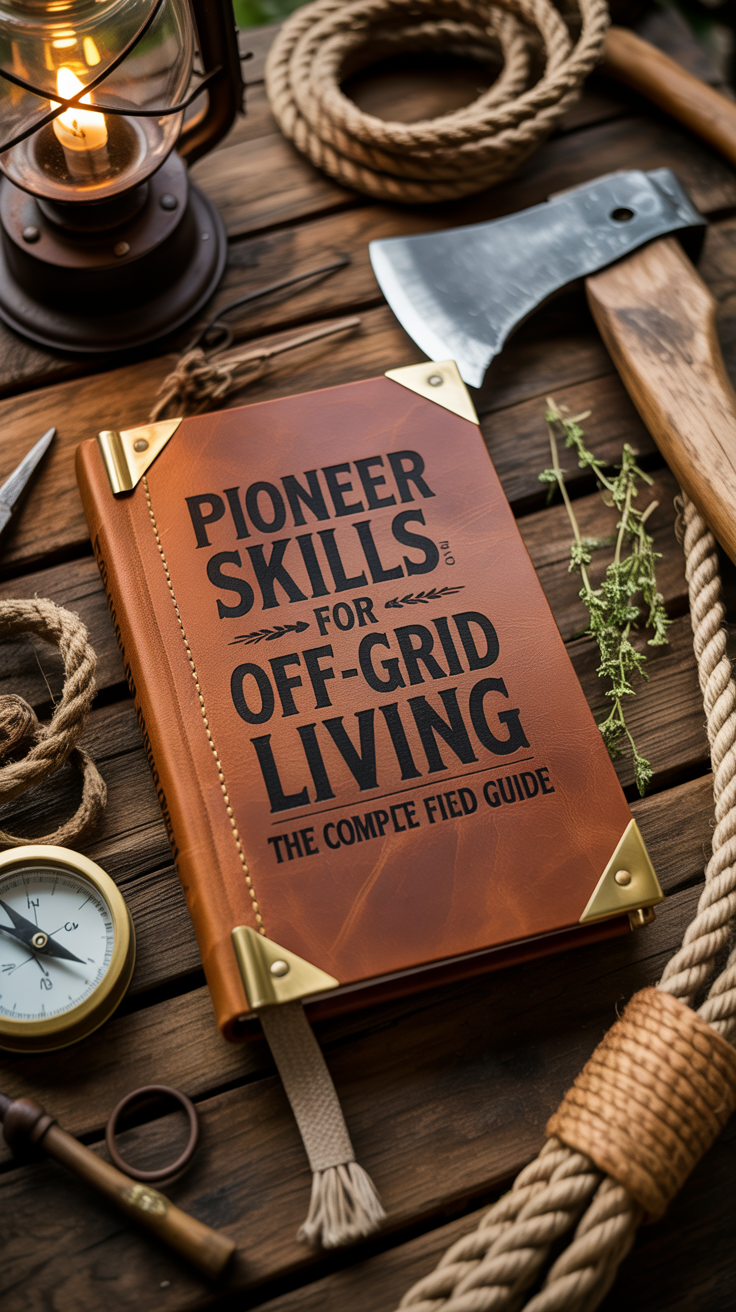
Going off the grid is more than flipping a breaker—it’s adopting century-tested habits, systems, and mindset. Pioneer Skills for Off-Grid Living blend old-world know-how with modern resilience so you can produce water, grow calories, stay warm, manage energy, and care for your family without relying on fragile infrastructure. This field guide walks you through the core foundations, practical steps, and safety layers that keep homesteads thriving through seasons and surprises.
Starting with water immediately removes the biggest vulnerability. If you want a gravity-capable, day-to-day purifier that requires no electricity in a pinch, explore the Aqua Tower as a simple, dependable cornerstone for your off-grid water plan.
Table of Contents
Building the Self-Reliance Mindset and a Practical Roadmap
Pioneer skill mastery begins between your ears. Self-reliance is not perfectionism—it’s steady progress, redundancy, and respect for nature’s rhythms.
Assessing your land, climate, and resources
- Map water sources: roof area for rain catchment, springs, seasonal creeks, and well potential.
- Inventory biomass: standing timber, windbreaks, brush for biochar, and leaf litter for compost.
- Note microclimates: frost pockets, south-facing slopes, shady groves, and windy ridges.
- Audit accessibility: year-round roads, equipment entry points, shelter locations, and fire breaks.
Phased goals and seasonal priorities
- 0–90 days: drinking water, sanitation basics, safe heat, emergency food, and communications.
- First year: garden beds, compost, rain storage, woodlot setup, small solar, and a root cellar.
- Years 2–3: expanded perennials, small livestock, greywater, larger solar, and workshop tooling.
- Ongoing: seed saving, soil fertility, firewood rotations, and community ties.
Safety, redundancy, and record-keeping
- Redundancy rule: two ways to get water, two ways to cook, two ways to heat, two ways to purify.
- Maintenance binder: dates for chimney cleanouts, battery checks, filter changes, and oiling tools.
- Skills calendar: note when you canned, planted, inoculated mushrooms, or treated livestock.
- Risk layers: weather alerts, evacuation routes, med plans, and neighbor call lists.
The pioneer mindset replaces anxiety with competence: you make small, durable upgrades week by week, guided by terrain, weather, and household needs.
Water Mastery for True Independence
Nothing else matters if water fails. The good news: pioneers used a mix of catchment, wells, and gravity—tech that still works.
Sourcing: wells, rain, springs, and surface water
- Wells: If geology allows, a drilled well with a hand-pump backup is gold. Where drilling is impractical, explore shallow well options and driven-point wells in sandy soils. For foundational know-how on siting and non-electric approaches, see Joseph’s Well as a knowledge resource to evaluate your land and options.
- Rainwater: A 1,000 sq ft roof in a 1-inch rain yields roughly 623 gallons. Start with leaf guards, first-flush diverters, and dark, food-grade tanks to reduce algae.
- Springs and creeks: Protect springs from livestock, fence off the area, and capture from the cleanest point. For creeks, consider a slow-sand filter and settle silt before purification.
Storage and distribution: gravity-fed systems
- Elevate tanks on a hill or stout stand; 8–10 feet elevation yields usable pressure for sinks and showers.
- Use dedicated potable lines and color-code for non-potable (garden, barn) vs potable (kitchen, bath).
- Insulate exposed lines, add drain valves ahead of freezes, and keep a bypass around any pump.
Purification and emergency backstops
- Everyday filtration: Use a robust gravity purifier for daily drinking; gravity beats outages and keeps water safe without electricity. The Aqua Tower fits neatly into this role as a dependable, low-tech daily driver.
- On-demand options: Store chemical treatment tabs, boil over a stove, or use a small UV pen as a last step.
- Compact preparedness: A portable purifier is smart for field chores, hunting, or as a loaner for guests. Consider the SmartWaterBox as a grab-and-go kit for trucks and barn rooms.
With water, aim for layers: source + storage + gravity + purification. Practice switching between them so power failures don’t change your routine.
Core Pioneer Skills for Off-Grid Food Security
Food security starts in the soil and ends in jars, crocks, and root cellars. Diversify calories and preservation so one bad season doesn’t wipe you out.
Soil building, seed saving, and resilient crops
- Compost inputs: bedding from livestock, leaves, kitchen scraps, and woodchips. Use hot piles for weed seeds; use worm bins for kitchen waste.
- Perennials first: plant fruit and nut trees, berry canes, and asparagus early—they pay for years.
- Annuals: pick regionally proven staples—potatoes, winter squash, beans, corn, and brassicas.
- Seed saving: select the healthiest plants, isolate varieties to avoid cross-pollination, and label clearly.
Preservation: canning, fermenting, dehydration, and curing
- Pressure canning for low-acid foods; water-bath for acids like pickles and jams.
- Fermenting: sauerkraut, kimchi, and pickled roots add probiotics and preserve crunch without electricity.
- Dehydration: sun, air, or low-energy dehydrators turn surplus into compact, long-lasting food.
- Smoking and curing: build a small smokehouse; salt, sugar, and smoke add flavor and shelf stability.
- For proven pioneer-style pantry strategies and recipes, explore The Lost SuperFoods as a reference for calorie-dense, storage-friendly staples.
Foraging, hunting, and small livestock
- Foraging: learn 10 edible plants per season; be 100% sure of ID and harvest sustainably.
- Small livestock: chickens, rabbits, and ducks convert scraps to protein; rotate pens to fertilize.
- Hunting and fishing: cold smoke, brine, or pressure-can meat to extend the harvest.
Diversify calories across garden, perennial, wild, and animal sources, then preserve in multiple ways. The result is a pantry that resists supply shocks and weather swings.
Shelter, Heat, and Weather-Ready Structures
Pioneer housing prioritized site, heat efficiency, and repairable materials. Your goal: a tight envelope, safe chimneys, and thermal mass that sips fuel.
Site planning, drafts, and thermal mass
- Face living spaces south (in the Northern Hemisphere) for passive solar gain.
- Draft-proofing: caulk, weatherstrip, and close attic bypasses; drafts burn firewood.
- Thermal mass: earthen floors, masonry walls, or a rocket mass bench store heat from brief burns.
Wood heat, rocket stoves, and safe chimneys
- Woodlot management: cut dead or crowded trees, season wood 12–24 months, and stack off-ground.
- Stoves: EPA-certified units are efficient; rocket stoves and rocket mass heaters offer frugal burn rates with careful design and safe clearances.
- Chimney safety: double-wall pipe where needed, clean regularly, and keep spark arrestors in fire country. Maintain a fire extinguisher near the stove and a metal ash bucket with a lid.
Weatherizing, insulation, and passive design
- Insulation: start with the attic, then walls and floors; even simple rugs and curtains help.
- Windows: exterior shutters, interior thermal curtains, and shade sails for summer cooling.
- Ventilation: ridge vents, soffit vents, and trickle vents prevent moisture buildup and mold.
Heat is a system. Between draft control, chimney maintenance, and thermal mass, you can keep rooms warm with surprisingly little fuel.
Energy, Tools, and Low-Tech Redundancies
Off-grid power should be right-sized, repairable, and backed by manual workarounds.
Right-sizing solar, batteries, and generators
- Audit loads: lights, fridge/freezer, well pump, communications, and one hot tool (saw, welder).
- Design for the 80%: power daily essentials with solar; keep a generator for rare heavy loads or storms.
- Batteries: place in ventilated, temperature-stable areas; follow a maintenance schedule; protect from deep discharges and cold.
Manual tools, maintenance, and sharpening
- Core hand tools: crosscut saw, bow saw, felling and splitting axes, maul, wedges, and drawknife.
- Bench and field kits: files for saws, puck stones for axes, and a small oil can. Keep a dedicated sharpening station and record dates.
- Lubrication and rust control: wipe with oil after use, store tools off soil, and keep handles tight.
Water, fire, and cooking energy options
- Cooking variety: rocket stove, wood range, propane camp stove, solar oven; rotate by season.
- Water energy: use gravity whenever possible; a ram pump can lift water without electricity.
- Fire-starting: ferro rods, storm matches, and dry tinder in sealed tins across buildings and vehicles.
Design your energy mix so a single failure doesn’t cascade. Redundancy plus hand tools equals resilience.
Health, Sanitation, and Rural Medical Preparedness
A healthy homestead is clean, hydrated, and prepared for minor emergencies.
Hygiene systems: water, waste, and laundry
- Greywater: route sink and shower water to landscape via mulch basins where legal; use biodegradable soaps.
- Toilets: composting systems or dry outhouses with proper venting; keep carbon cover material (sawdust, leaves).
- Laundry: a wringer washer or plunger bucket for outages; sun is a free sanitizer and dryer.
First aid, herbal knowledge, and home care
- First aid essentials: trauma supplies, sterile dressings, antihistamines, pain relievers, and rehydration salts.
- Herbal basics: plantain for bites, yarrow for minor bleeding, chamomile for digestion, and elderberry for seasonal support—always cross-check safety and interactions.
- For structured, practical guidance on at-home care between clinic visits, keep a copy of Home Doctor in your medical shelf.
Medical records, kits, and evacuation plans
- Records: printed med histories, allergies, prescriptions, and emergency contacts in a waterproof pouch.
- Kits staged by location: house, truck, barn, field pack—standardize contents.
- Evacuation: map two routes, pre-pack go-bags, and define who grabs which bin (meds, documents, radio).
Health isn’t only first aid; it’s sanitation, nutrition, rest, and readiness. Build systems that reduce small problems before they become big ones.
Security, Communication, and Community Readiness
Pioneers relied on neighbors and common sense. Modern homesteads can blend lighting, radios, and relationships.
Perimeter, lighting, and layers of protection
- Physical layers: fences, gates, thorny hedges, and clear lines of sight near doors and windows.
- Lighting: motion-activated LEDs on outbuildings; shield fixtures downward to preserve night vision.
- Dogs and signs: early warnings deter problems; keep working dogs trained and socialized.
Radios, protocols, and information reliability
- Redundant comms: handheld radios for the property, plus a base station. Learn local repeaters and etiquette if you pursue amateur radio licensing.
- Check-in plans: set daily times with family or neighbors; run drills for storm nights and fire season.
- Information: balance alerts with verified sources. Keep paper maps; cache printed instructions.
Barter, neighbors, and mutual aid networks
- Barter inventory: extra firewood, eggs, seeds, and repair skills.
- Mutual aid: share equipment, coordinate fire breaks, and exchange harvest labor.
- If you split time between town and homestead or want urban-specific readiness tactics, the principles in Dark Reset can supplement your off-grid planning with broader scenario awareness.
Security is most effective when it’s boring: routine check-ins, clear perimeters, trusted neighbors, and a plan for bad weather or bad days.
Recommended Tools and Resources
These resources complement the skills in this guide and fit naturally into off-grid systems:
Water independence
- Aqua Tower: Gravity-based, daily-use water purification without electricity.
- SmartWaterBox: Portable water safety kit for trucks, barns, and field chores.
- Joseph’s Well: Foundational well-siting and non-electric water options for landowners.
Food security
- The Lost SuperFoods: Shelf-stable, calorie-dense recipes and preservation methods with pioneer roots.
Health and preparedness
- Home Doctor: Practical home medical guidance for remote living.
- Dark Reset: Scenario planning to bolster overall readiness and decision-making.
Start Small, Build Layers, Stay Consistent
Pick one system this week and make it resilient. Secure drinking water with a gravity purifier like the Aqua Tower. Expand your pantry with proven staples from The Lost SuperFoods. Round out home medical readiness with Home Doctor and strengthen your overall planning mindset through Dark Reset. Steady, low-cost improvements compound into freedom.
Conclusion
Mastering Pioneer Skills for Off-Grid Living is not about gear hoards or extreme hardship—it’s about dependable routines that let you thrive without the grid. Start with a secure water plan, layer in food production and preservation, ensure safe heat and weather-ready shelter, right-size your energy, and keep health, security, and communication simple and reliable. As you tune each system for your land and climate, your confidence grows. The payoff is profound: fewer dependencies, richer seasons, and a homestead that keeps working—come storm, outage, or supply chain wobble.
FAQ
What are the most important Pioneer Skills for Off-Grid Living to start with?
Water access and purification, safe heat, basic food preservation, and first aid. Nail these four pillars first, then expand into gardening, small livestock, and energy upgrades.
How much land do I need to live off-grid successfully?
You can begin on a small plot with rain catchment, raised beds, and a wood stove. For diversified food and fuel, 1–5 acres can support gardens, small livestock, and a woodlot, depending on climate and soil.
How do I keep water safe without electricity?
Use gravity wherever possible: elevated tanks for pressure and a gravity purifier for drinking. The Aqua Tower offers a no-power daily solution; keep boil and chemical treatment as backups.
What food preservation methods work best off-grid?
Mix pressure canning, fermenting, and dehydration to reduce reliance on freezers. Add smoking/curing for meat and use a root cellar for long-keeping crops like potatoes, squash, and apples.
How can I prepare medically when clinics are far away?
Build layered first aid kits, keep printed medical info, and learn basic care skills. A practical reference like Home Doctor helps bridge the gap between routine issues and professional care.