
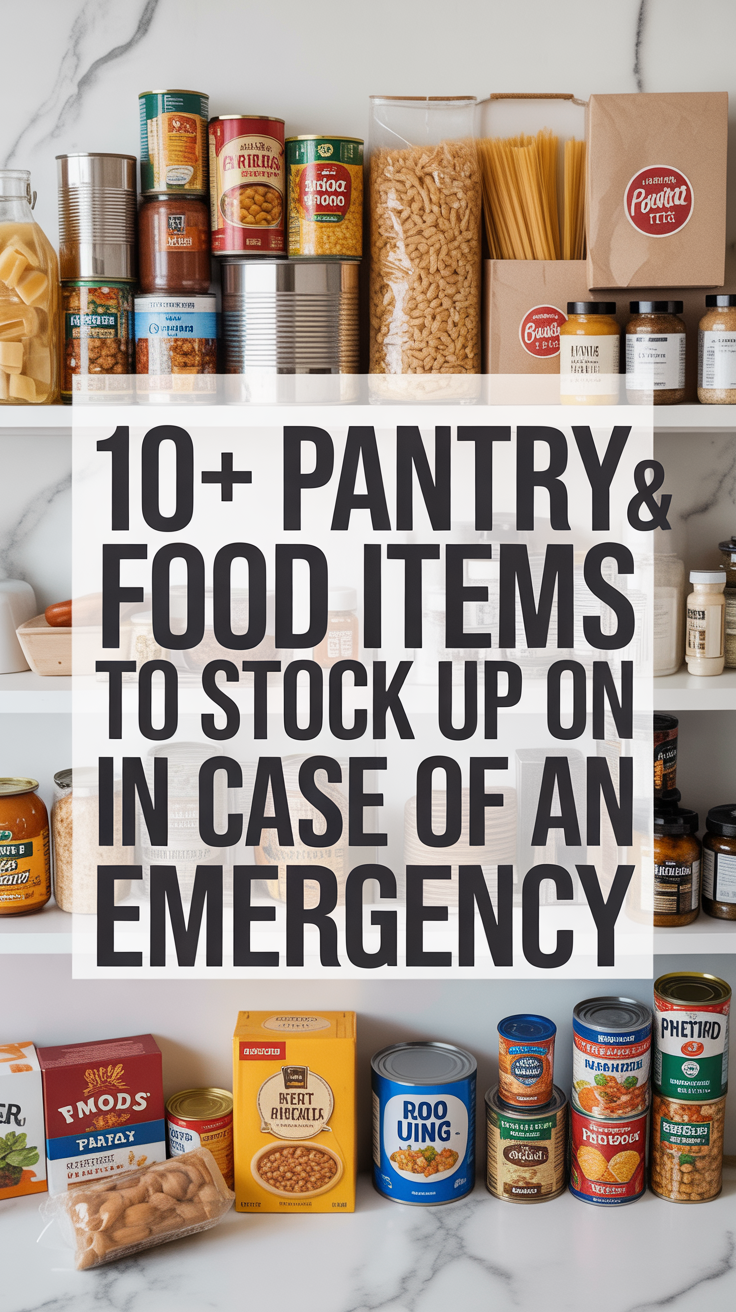
When the power goes out, roads shut down, or supply chains break, the most valuable asset in your home isn’t your TV or your phone—it’s your pantry. Building a resilient, well-planned stockpile of 10+ Pantry & Food Items to Stock Up On In case of an Emergency ensures your family can eat well, stay hydrated, and maintain health when everyday conveniences disappear. Whether you’re preparing for a 72-hour storm, a two-week disruption, or a long-term scenario, the right emergency pantry turns fear into confidence.
If you want a fast-track blueprint to time-tested foods, preservation methods, and recipes that last decades, explore The Lost Superfoods playbook here: The Lost SuperFoods. It’s a practical guide that complements this list of 10+ Pantry & Food Items to Stock Up On In case of an Emergency with old-world techniques made simple.
In this long-form guide, we’ll cover:
- The best shelf-stable foods to store and why.
- How much to buy for different time frames (72 hours, 2 weeks, 30+ days).
- Smart storage strategies, rotation systems, and nutrient balance.
- Tools, fuel, and water planning most people overlook.
- Budget tips and a sample 30-day emergency pantry plan.
Table of Contents
Water Is Priority One—Storage, Purification, and Flavor
Before you stock any pantry foods, remember that water is the foundation of the 10+ Pantry & Food Items to Stock Up On In case of an Emergency. You can last weeks without food, but only a few days without clean water. Target a minimum of one gallon per person per day: half for drinking, half for cooking and hygiene. For a family of four planning for 14 days, that’s at least 56 gallons. If space is tight, combine storage with purification.
Core water strategies:
- Store: Use food-grade containers, refillable 5–7 gallon jugs, stackable cubes, or 55-gallon drums. Label fill dates and store cool, dark, off the floor.
- Purify: Have redundancy—gravity filters, pump filters, chemical tablets, and boiling capability. Even stored water benefits from filtration.
- Capture: If you have gutters, consider rainwater catchment with first-flush diverters for non-potable tasks or filtered drinking in extended emergencies.
- Flavor and electrolytes: Include packets of oral rehydration salts, bullion, tea, coffee, and powdered drink mixes. Hydration compliance improves with taste.
If you need a compact, modular, and practical way to organize safe water at home, take a look at SmartWaterBox. It’s designed to simplify storage and rotation.
Mid-content tip: Energy and water go hand in hand. In blackouts, electric pumps and refrigerators fail. Planning around outages is critical. If you want a survival plan tailored for grid-down situations, see New Survival Offer: Dark Reset for power outage strategies that dovetail with food and water storage.
For larger households, high-capacity solutions can be a game-changer. Systems that help you secure, store, and filter water at scale reduce risk and daily effort during a crisis. If you want a straightforward, home-friendly water solution you can deploy quickly, explore Aqua Tower. Combine with a backup filter and basic chlorination drops for a robust setup.
Pro storage notes:
- Rotate stored tap water every 6–12 months unless treated.
- Keep unscented bleach (6–8% sodium hypochlorite). Dose: 1/8 teaspoon (8 drops) per gallon of clear water; double if cloudy; let stand 30 minutes.
- Store away from heat, light, and chemicals (paint, fuel).
- Always have a manual canteen, collapsible containers, and a way to boil.
Proteins—Canned Meats, Beans, Nut Butters, and Shelf-Stable Power
Protein preserves muscle, stabilizes blood sugar, and keeps you satisfied. When building your list of 10+ Pantry & Food Items to Stock Up On In case of an Emergency, mix animal and plant proteins for diversity, shelf life, and taste.
Top emergency protein items:
- Canned meats: Tuna, salmon, chicken, turkey, sardines, corned beef, and roast beef. These require no cooking and deliver complete protein with fat.
- Beans and legumes: Black beans, pinto beans, chickpeas, lentils. Dry beans are cheaper and last longer; canned beans are ready to eat.
- Nut butters: Peanut, almond, or sunflower seed butter provide dense calories, fats, and protein with minimal prep.
- Shelf-stable dairy: Canned evaporated milk, powdered milk, and shelf-stable tofu for cooking and nutrition.
- Jerky and shelf-stable sausages: Portable protein for go-bags and quick meals.
- Protein powders: Whey, casein, or plant-based; great for shakes or adding to oatmeal and pancakes.
Storage and rotation:
- If you store dry beans, pair with rice for complete amino acids and include a pressure cooker alternative (like a camp stove) to speed cooking.
- Keep spices, garlic powder, onion powder, and bouillon to turn simple proteins into real meals.
- Rotate canned goods annually and note expiration dates with a marker.
Meal ideas to keep morale high:
- Tuna and white bean salad with olive oil, lemon powder, and herbs.
- Lentil stew with tomatoes, curry powder, and coconut milk.
- Chicken and rice with bouillon, canned carrots, and peas.
To round out your protein plan with heritage preservation methods (like pemmican, salt curing, and confit), consider the field-tested manual The Lost SuperFoods. It’s particularly helpful for long-term resilience beyond canned goods.
Carbohydrate Staples—Rice, Oats, Pasta, Flour, and Ancient Grains
Carbs are the backbone of your calorie budget. In a long emergency, you’ll need energy-dense staples that cook reliably and pair with proteins. In your 10+ Pantry & Food Items to Stock Up On In case of an Emergency, prioritize a mix of fast-cooking carbs and slow-cooking bulk items.
Essential carb staples:
- Rice: White rice stores 20–30 years in Mylar with oxygen absorbers. Brown rice offers more nutrition but shorter shelf life (6–12 months) due to oils.
- Oats: Rolled and quick oats cook fast and make hearty breakfasts; steel-cut oats store longer but take more fuel to cook.
- Pasta: Versatile, cheap, and shelf-stable. Stock a variety of shapes for soups and casseroles.
- Flour and baking mixes: All-purpose flour, pancake mix, cornbread mix, and biscuit mix enable comfort foods and baked calories.
- Ancient grains: Quinoa, buckwheat, barley, bulgur, and couscous for variety and micronutrients.
- Crackers, tortillas, and shelf-stable breads: For quick meals without cooking.
Storage best practices:
- Use Mylar bags with oxygen absorbers inside food-grade buckets to keep pests and moisture at bay.
- Keep a simple inventory and a FIFO system (first in, first out). Label every bag and bucket with contents and date.
- Consider fuel costs when choosing what to cook; quick oats and couscous save time and fuel.
Budget tip:
- Buy 25–50 lb bags of staples at bulk stores or co-ops, then repackage. Cost per meal drops dramatically.
If you’re prepping for blackouts where cooking fuel is limited, having no-cook carbs and heat-and-eat options is smart. For a step-by-step playbook for operating without grid power, check New Survival Offer: Dark Reset. It meshes well with a pantry-first approach.
Fats and Oils—Calorie-Dense, Nutrient-Carrying Essentials
Fat is the most calorie-dense macronutrient and a morale booster. In 10+ Pantry & Food Items to Stock Up On In case of an Emergency plans, fats improve satiety, flavor, and vitamin absorption. The trick is shelf stability.
Best emergency fats:
- Olive oil: Healthy and versatile; buy smaller bottles to reduce oxidation once opened. Store cool and dark.
- Coconut oil: Extremely stable with a long shelf life. Solid at cool temps; great for cooking and baking.
- Ghee (clarified butter): Shelf-stable butter flavor; ideal for frying and spreading calories.
- Shortening and lard: Useful for baking; long shelf life when sealed.
- Nut and seed oils: Buy in smaller quantities; rotate more frequently due to faster rancidity.
- Shelf-stable spreads: Tahini, peanut butter, and nut butters. Rotate every 6–12 months.
How much fat to store:
- Aim for at least 2–3 tablespoons per person per day in long-term scenarios, depending on activity and carb intake. This keeps calories up and meals satisfying.
Storage best practices:
- Keep oils in cool, dark places. Heat and light accelerate rancidity.
- Consider powdered butter or powdered peanut butter for backup diversity.
- Include high-fat coconut milk for curries and soups.
Morale meals with fats:
- Chickpea curry with coconut milk.
- Pasta with canned chicken, olive oil, garlic powder, and red pepper flakes.
- Rice with ghee-fried eggs (if you have fresh or powdered eggs on hand).
If you want to master old-world methods for stabilizing fats and preserving meats in fat (confit, tallow storage), the techniques inside The Lost SuperFoods are surprisingly practical even in a modern kitchen.
Fruits, Vegetables, and Micronutrients—Canned, Dehydrated, and Freeze-Dried
Protein and carbs keep you going; fruits and vegetables keep you healthy. Your 10+ Pantry & Food Items to Stock Up On In case of an Emergency list must include vitamin-rich foods to prevent deficiency. Think canned, dehydrated, and freeze-dried, plus key supplements.
Top picks:
- Canned vegetables: Tomatoes, green beans, corn, carrots, peas, beets, and mixed veg. Include no-salt versions and add your own bouillon and spices.
- Canned fruits: Peaches, pears, pineapple, applesauce; pack in juice rather than syrup when possible.
- Dehydrated staples: Onion, garlic, bell pepper, mushrooms, spinach, kale chips.
- Freeze-dried fruits/veg: Lightweight, long shelf life, rehydrate well. Excellent for snacking, oatmeal, and soups.
- Tomato products: Diced, crushed, paste, and sauce base countless recipes.
- Broths and bouillon: Flavor and electrolytes in one; keeps soups and stews satisfying.
Nutrient insurance:
- Multivitamins and vitamin C powder. Stress and limited fresh produce can increase requirements.
- Salt with iodine or carry kelp granules to maintain thyroid function.
Meal ideas:
- Minestrone with canned tomatoes, beans, pasta, and mixed vegetables.
- Oatmeal with freeze-dried berries and cinnamon.
- Rice and beans with dehydrated peppers and onions, topped with olive oil.
For long-lasting recipes built around shelf-stable produce and forgotten pantry methods, explore The Lost SuperFoods. It bridges the gap between storage and satisfying meals when fresh produce is scarce.
Health and first aid overlap:
- New foods, stress, and water changes can trigger digestive issues. Keep rehydration salts, probiotics (shelf-stable if possible), and a basic medical handbook. The Home Doctor guide teaches practical at-home care when clinics are overwhelmed.
Comfort, Morale, and Flavor—Spices, Coffee, Tea, and Treats
Survival isn’t just about calories—it’s about morale. The 10+ Pantry & Food Items to Stock Up On In case of an Emergency will only get used if people like the food. Spices and comfort items turn “survival rations” into real meals, which keeps everyone eating, hydrated, and calm.
Include these:
- Spices and herbs: Salt, pepper, chili flakes, curry powder, Italian blend, garlic, onion, paprika, cumin, cinnamon. Pre-mixed blends save time.
- Baking basics: Sugar, brown sugar, honey, baking powder, baking soda, yeast.
- Condiments: Soy sauce, hot sauce, mustard, shelf-stable mayo alternatives, vinegar (white, apple cider, rice).
- Comfort foods: Chocolate, hard candy, pudding mixes, shelf-stable cookies, instant oatmeal with flavors.
- Beverages: Coffee (whole bean + hand grinder or instant), tea, cocoa, electrolyte mixes.
- Soups and instant meals: Ramen, instant mashed potatoes, boxed mac and cheese. Great for quick morale boosts and low-fuel cooking.
Cooking ideas:
- Instant ramen upgraded with canned chicken, freeze-dried veg, and chili oil.
- Rice pudding with powdered milk, sugar, and cinnamon.
- Beans and rice with hot sauce, cumin, and garlic powder.
Urban considerations:
- If you’re bugging-in in an apartment, you need no-fuss meals, little smoke, and minimal trash. The URBAN Survival Code focuses on city-specific strategies that pair well with compact pantry plans.
Quick win:
- Package “morale kits” in zip bags: cocoa, tea, a few candies, and a spice mix. Handing these out during a stressful day keeps spirits up and meals moving.
If you’re planning your pantry around daily habits, note your family’s top five favored flavors and beverages. Double those in your stockpile; rotation becomes natural because you’ll use and replace them routinely.
Special Diets, Infants, Seniors, and Pets—Tailoring Your Pantry
A resilient pantry is inclusive. Your 10+ Pantry & Food Items to Stock Up On In case of an Emergency should meet everyone’s needs, from babies to seniors to pets. Overlooking special diets creates stress and potential medical issues when help may be far away.
Considerations and items:
- Infants: Infant formula (rotate proactively), pureed baby foods, rice cereal, extra clean water for mixing, and sanitized bottles. If breastfeeding, add more calories for mom’s diet.
- Toddlers/children: Simple flavors, softer textures, fruit cups, applesauce, crackers, and shelf-stable milk. Multivitamins sized for children.
- Seniors: Easy-to-chew foods, soups, protein shakes, fiber supplements, low-sodium options, and denture-safe textures.
- Medical and diet restrictions: Gluten-free flours and pasta, low-sodium options, low-FODMAP choices, lactose-free milk powder, and diabetic-friendly snacks. Document substitutions for favorite recipes.
- Pets: Dry kibble in airtight bins, canned food, extra water, and meds. Plan at least 2 weeks, preferably a month.
- Medications: Track refills and build a buffer. Include OTC meds for pain, allergies, stomach upset, and hydration.
Health and care:
- Digestive changes are common in emergencies; switching to shelf foods can cause constipation or reflux. Keep fiber, probiotics, and antacids on hand.
- Create a medical drawer: thermometers, gloves, bandages, ointments, and a reference manual. The Home Doctor provides guidance for treating common issues at home when you can’t reach a clinic.
Label everything:
- Use bold, large print for seniors.
- Color-code for allergies or diet restrictions.
- Keep a printed list of emergency contacts, doctors, and medications.
For an organized, apartment-friendly approach that accounts for neighbors or extended family, the strategies in URBAN Survival Code integrate pantry planning with communication, security, and resource-sharing.
Tools, Fuel, and Storage—Make Your Food Usable
Food you can’t cook or open is wasted. Round out your 10+ Pantry & Food Items to Stock Up On In case of an Emergency with the right tools, fuels, and containers. This turns raw storage into ready meals.
Essential tools:
- Manual can opener (two, in case one fails).
- Camp stove, butane stove, or rocket stove with ample fuel canisters.
- Portable cookware: nesting pots, skillet, kettle.
- Fire-starting: waterproof matches, lighters, ferro rods.
- Long-handled spoon, ladle, measuring cups, cutting board, utility knife.
Storage and packaging:
- Mylar bags, oxygen absorbers, food-grade buckets, mason jars, and vacuum sealers.
- Desiccant packs for electronics and spices.
- Shelving secured to walls; keep heavy items low.
Safety and sanitation:
- Disposable plates, bowls, and cutlery for water savings.
- Dish pans and biodegradable soap.
- Trash bags, gloves, bleach, and wipes.
Power outage synergy:
- Fridges keep cold ~4 hours, freezers ~48 if full. Keep thermometers inside. Cook perishables first.
- Consider a small solar setup for lights and device charging. For grid-down playbooks that include safe cooking and food management, review New Survival Offer: Dark Reset.
Water integration:
- Pair stored food with reliable water gear so soups and carbs are always on the menu. For streamlined storage and rotation, the modular SmartWaterBox is purpose-built. For larger households, explore Aqua Tower to scale capacity.
For broader self-reliance context and additional checklists, start at Everyday Self-Sufficiency and review categories that match your living situation. Pair those with your pantry plan for a cohesive setup.
A 30-Day Pantry Blueprint, Rotation System, and Budget Plan
Let’s turn principles into a practical 30-day plan using 10+ Pantry & Food Items to Stock Up On In case of an Emergency. This outline scales for family size—multiply as needed.
Calorie target:
- Aim for 2,000–2,400 calories per adult per day; adjust for children and activity levels.
30-day pantry example (per adult):
- Water: 30 gallons minimum for drinking/cooking (more for hygiene).
- Proteins: 15–20 cans (chicken, fish, beef), 10–15 lbs dry beans/lentils, 4–6 jars nut butter, 2–4 lbs shelf-stable dairy (powdered milk).
- Carbs: 20–30 lbs rice, 10–15 lbs oats, 8–12 lbs pasta, 5–10 lbs flour/baking mixes, instant sides (potatoes, ramen).
- Fats: 2–3 liters olive/coconut oil, 1–2 jars ghee, peanut butter/tahini.
- Fruit/veg: 20–30 cans mixed produce; freeze-dried and dehydrated packs.
- Flavor and comfort: Full spice kit, tea/coffee/cocoa, sugar/honey, sauces.
- Health: Multivitamins, vitamin C, electrolytes, fiber, probiotics.
- Extras: Baby/elderly/pet-specific items as needed.
Rotation system (FIFO):
- Dedicate a shelf to “use first.” When stocking, place new items behind older ones.
- Keep a simple inventory on paper or a shared phone note (item, qty, expiry).
- Cook one “pantry night” per week using stored foods, then replace what you used.
Batching and meal themes:
- Breakfast: Oatmeal + fruit + powdered milk; pancakes with peanut butter; granola with shelf milk.
- Lunch: Tuna and bean salad; soups with pasta and mixed veg; peanut butter crackers with fruit.
- Dinner: Rice and beans with salsa and canned chicken; lentil curry with coconut milk; pasta with tomatoes and sardines.
- Snacks: Nuts, jerky, fruit cups, chocolate, and tea.
Product recommendation section (curated tools that fit this plan):
- Long-term recipes and preservation: The Lost SuperFoods for heritage techniques that stretch your pantry.
- Modular water storage: SmartWaterBox for organizing and rotating potable water at home.
- High-capacity water resilience: Aqua Tower to scale for families or long disruptions.
- Grid-down playbook: New Survival Offer: Dark Reset to keep food safe and meals hot during outages.
- Urban-specific strategies: URBAN Survival Code for apartment dwellers and city preppers.
- At-home care guide: Home Doctor to manage common ailments while sheltering in place.
Weekly budget build:
- Week 1: 10 lbs rice, 5 lbs beans, 12 cans vegetables, salt, sugar.
- Week 2: 8 lbs oats, 8 lbs pasta, 12 cans protein, spices, oil.
- Week 3: 8 cans fruit, powdered milk, peanut butter, cocoa, tea.
- Week 4: Coconut milk, tomato products, bouillon, baking basics, comfort foods.
Record, rotate, repeat. In 30 days, you’ll have a robust, easy-to-cook pantry ready for emergencies.
Conclusion
The fastest path from worry to readiness is a simple, rotating pantry built around 10+ Pantry & Food Items to Stock Up On In case of an Emergency. Water first, then proteins, carbs, fats, fruits, and vegetables—plus the tools and flavors that make meals easy and enjoyable. Start with a two-week plan, expand to 30 days, and rotate through regular use. Your future self will thank you during the next storm, outage, or supply hiccup.
CTA—Take the next step:
- Build long-lasting meals and preservation skills with The Lost SuperFoods.
- Lock in safe, organized hydration using SmartWaterBox and scale up with Aqua Tower.
- Add medical resilience to your shelter-in-place plan with Home Doctor.
FAQ
What are the 10 essential survival kit items?
Water and purification: Stored water plus filter, tablets, and a way to boil. For modular storage consider SmartWaterBox.
Calorie-dense food: Canned meats, beans, rice/oats/pasta, oils, and vitamin-rich canned produce.
Light: Headlamps, lanterns, extra batteries, or small solar.
Heat/cooking: Butane/propane stove, fuel, matches/lighters.
First aid: Bandages, meds, ointments, rehydration salts, and a guide like Home Doctor.
Tools: Multi-tool, duct tape, cordage, manual can opener.
Sanitation: Trash bags, bleach, soap, wipes, TP.
Communication: Battery or hand-crank radio, whistle, printed contacts.
Shelter: Mylar blankets, tarps, duct tape, seasonal clothing.
Documents: Copies of IDs, insurance, cash in small bills, and a basic area map.
What are good things to stock up on for emergencies?
Start with water, then protein (canned meats, beans, nut butters), carbs (rice, oats, pasta), fats (olive/coconut oil, ghee), and fruits/veggies (canned and freeze-dried). Add flavor (spices, sauces), comfort (coffee, tea, chocolate), and health items (multivitamins, electrolytes). Include special-diet items for infants, seniors, and pets. To organize a 30-day plan around 10+ Pantry & Food Items to Stock Up On In case of an Emergency, follow the rotation and weekly budget steps above.
How to stock a pantry for an emergency?
Define your time horizon (72 hours, 2 weeks, 30 days), then calculate water and calories. Buy shelf-stable foods your family already eats, package dry goods in Mylar with oxygen absorbers, label everything, and establish FIFO rotation. Practice with one “pantry night” per week so nothing goes to waste. For long-term recipes and preservation methods to extend shelf life, see The Lost SuperFoods. For urban setups, check URBAN Survival Code.
What is the best food to stockpile?
The best foods are those that are shelf-stable, nutritionally dense, and familiar to your household: canned meats and fish; beans and lentils; rice, oats, and pasta; olive/coconut oil and ghee; canned tomatoes and mixed vegetables; canned or freeze-dried fruits; powdered milk; and morale boosters like coffee, tea, and chocolate. If you want to go beyond cans and create historic, long-lasting staples, the step-by-step resource The Lost SuperFoods is designed for exactly that.