
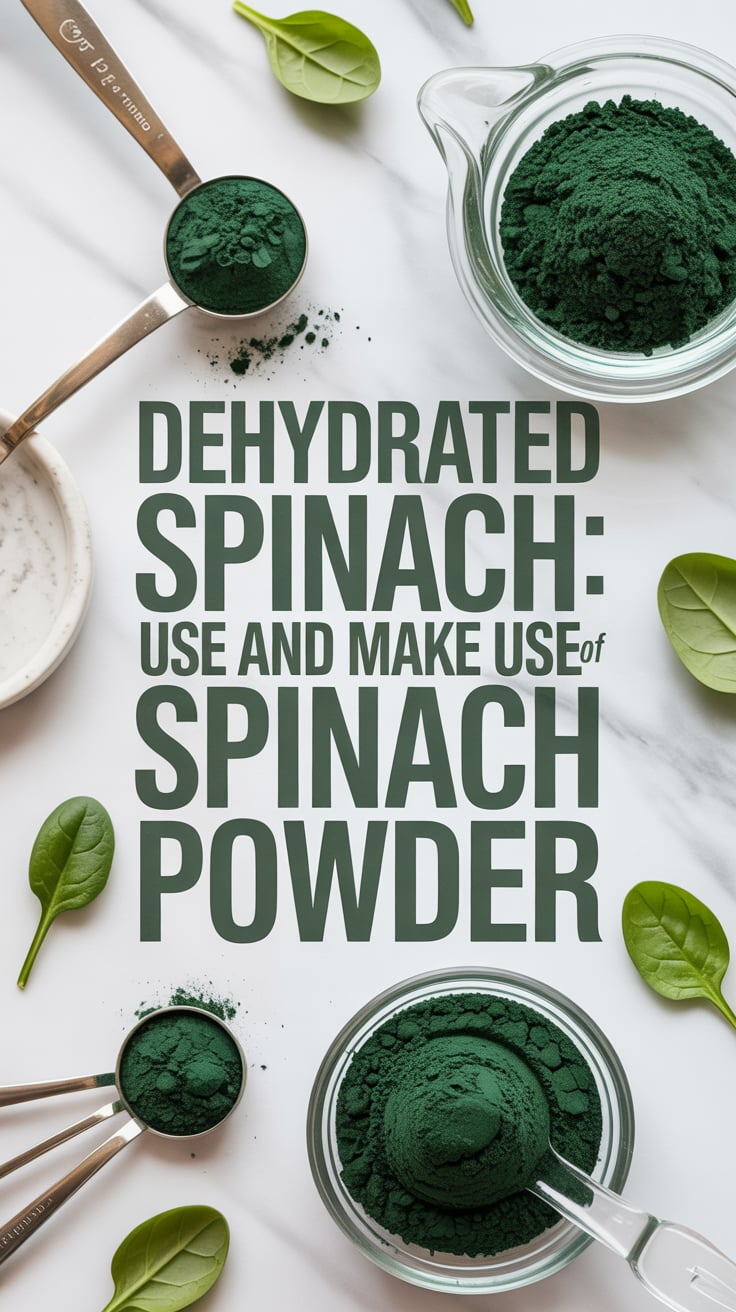
Dehydrated spinach use and make use of spinach powder are two of the simplest, most space‑efficient ways to preserve garden greens, boost nutrition in everyday meals, and build a resilient pantry. Whether you’re homesteading, prepping for emergencies, meal‑prepping for busy weeks, or just cutting food waste, mastering dehydrated spinach and spinach powder turns a fragile, perishable crop into a long‑lasting superfood that’s ready in seconds.
The Lost SuperFoods “Discover the forgotten foods that kept our ancestors alive through famines, wars, and economic crises. The Lost SuperFoods is a practical guide packed with 126+ long-lasting, nutrient-dense recipes that require no refrigeration—perfect for anyone who wants to be food-independent and prepared for any situation.”
In this guide you’ll learn exactly how to dehydrate spinach for powder, how spinach powder is made at home, what to use dehydrated spinach for, what to use spinach powder for, how to store both for years, and how to integrate them into self‑sufficient living—from backpacking kits to everyday dinners. Along the way you’ll find smart gear tips, safety notes, and simple recipes that ensure dehydrated spinach use and make use of spinach powder stay practical, delicious, and budget‑friendly.
Table of Contents
Why Dehydrated Spinach and Spinach Powder Belong in Every Pantry
Dehydrated spinach use and make use of spinach powder give you the power to stockpile deep‑green nutrition with almost no fridge or freezer space. Fresh spinach is 90–93% water and wilts quickly; dehydration removes that water, shrinking the leaves to a fraction of their size while locking in fiber, iron, folate, potassium, and plant compounds like lutein and zeaxanthin. Spinach powder then concentrates those benefits even further, letting you “stealth‑boost” soups, sauces, smoothies, and breads by the spoonful.
The Lost SuperFoods “Discover the forgotten foods that kept our ancestors alive through famines, wars, and economic crises. The Lost SuperFoods is a practical guide packed with 126+ long-lasting, nutrient-dense recipes that require no refrigeration—perfect for anyone who wants to be food-independent and prepared for any situation.”
Key reasons dehydrated spinach use and make use of spinach powder should be part of your self‑reliant kitchen:
- Long shelf life: Properly dried and stored, spinach flakes last 1–2 years; spinach powder can last 12–18 months or more.
- Massive space savings: A full grocery bag of spinach becomes a few handfuls of flakes or one jar of powder.
- Faster cooking: Flakes rehydrate in minutes; powder dissolves instantly to thicken and enrich.
- Versatility: From egg dishes to casseroles, tortillas to pesto, smoothies to gravies, dehydrated spinach and powder fit into more recipes than you’d expect.
- Budget and waste reduction: Buy bulk or harvest in season, preserve at peak, and stop tossing slimy leaves.
Nutritional snapshot
- Water‑soluble vitamins (C, some B vitamins) can drop with heat; minimize loss by drying at low temps (95–125°F/35–52°C), using brief blanching, and storing airtight away from light.
- Fat‑soluble nutrients (K, lutein, beta‑carotene) remain more stable, especially when protected from oxygen and light in storage.
Safety and quality
- Always wash spinach to remove grit and pathogens.
- Blanching 30–60 seconds before dehydration helps maintain color, flavor, nutrient retention, and safety.
- Dehydrate fully (brittle‑dry) to prevent mold, then store airtight with desiccant or oxygen absorbers.
Dehydrated spinach use and make use of spinach powder isn’t just a trend—it’s a foundation skill for homesteaders and preppers. It upgrades your bug‑out bag, your hiking meal kit, your everyday soups, and your long‑term pantry. And because spinach is mild and blends into both savory and sweet dishes, even picky eaters accept it when it’s powdered.
Typical use cases you’ll learn in this guide:
- Sprinkle flakes into omelets, ramen, pasta sauce, or rice pilaf.
- Stir powder into smoothies, pancakes, bread dough, tortillas, or gnocchi.
- Build shelf‑stable meal jars with noodles, broth powder, and dehydrated spinach for fast heat‑and‑eat lunches.
As you read on, keep the central idea in mind: dehydrated spinach use and make use of spinach powder is about transforming a fragile green into a stable ingredient you can deploy anywhere—in the woods, on the road, or when the power’s out.
Choosing, Cleaning, and Blanching Spinach for Best Results
Success starts before dehydration. The quality of your flakes and powder depends on the leaves you choose and how you prep them.
Selecting spinach
- Varieties: Baby spinach dehydrates quickly with tender texture; mature leaves produce slightly more robust flavor. Both work. Avoid yellowing or slimy leaves.
- Harvest timing: Pick in morning when turgid and cool. If buying, choose crisp bags/bunches with no pooled moisture.
Cleaning and sorting
- Rinse: Wash in a clean basin, swishing vigorously to remove grit and pathogens. Refresh the water once or twice.
- Stem trimming: Remove thick stems from mature leaves for even drying.
- Spin or pat dry: Remove surface water for faster, safer dehydration.
Blanching: Why and how
- Why blanch? Brief blanching deactivates enzymes that cause color loss and off flavors, improves safety, and helps preserve nutrients. It also keeps flakes greener and powder sweeter.
- How long: 30–60 seconds in boiling water is enough. Immediately shock in ice water for 60–90 seconds, then drain well.
- Steam blanch option: 90–120 seconds over steam preserves more nutrients and reduces waterlogging.
Water matters in self‑reliant kitchens. If municipal supplies are uncertain or you’re off‑grid, set up reliable water storage and filtration so you can wash produce safely.
New Water Offer: SmartWaterBox Introducing the SmartWaterBox — the next generation of clean water technology. This compact, smart filtration system automatically purifies, monitors, and tracks your water quality in real time. With eco-friendly filters and app integration, the SmartWaterBox ensures every drop you drink is fresh, safe, and sustainable — whether you’re at home, on the road, or off-grid.
Draining and pre‑drying
- Shake and spin: Use a salad spinner; then lay leaves on towels 10–15 minutes to wick away excess moisture.
- Pre‑chop (optional): For flakes, a rough chop speeds drying and makes uniform spoonable pieces.
Tray loading tips
- Single layer: Don’t pile. Overlap leads to uneven dehydrating and longer dry time.
- Airflow: Leave 1/4 inch gaps; fine mesh screens keep small bits from falling through.
Temperature and target dryness
- Target 95–125°F (35–52°C). Lower temps preserve color and vitamins; go toward 125°F only if humidity is high.
- Dry to brittle: Leaves should crumble easily between fingers; no leathery spots.
Dehydrated spinach use and make use of spinach powder works best when every leaf is completely dry. Any residual moisture invites mold in storage. Keep notes (ambient humidity, tray load, time, temp) so you can repeat success every batch.
Storage staging before final packaging
- Condition flakes: Place fully cooled flakes loosely in a jar for 5–7 days, shaking daily to check for clumping or condensation. If fog appears, redry briefly.
- Powder later: Only powder what you’ll use in 60–90 days; keep the rest as flakes to maximize freshness.
With proper selection, thorough cleaning, quick blanching, and gentle dehydration, you’ll get bright‑green, sweet‑smelling spinach flakes that mill into vivid powder—the foundation for reliable dehydrated spinach use and make use of spinach powder all year.
Methods to Dehydrate Spinach (Dehydrator, Oven, Air Fryer, Sun/Solar)
There’s more than one way to dry greens. Choose the method that fits your gear and climate. Each can produce excellent results with a few adjustments.
- Electric dehydrator (best control)
- Setup: Line trays with mesh screens. Load in a single layer.
- Temp: 95–115°F (35–46°C) for nutrient retention; up to 125°F (52°C) if humid.
- Time: 4–8 hours depending on leaf maturity, load, and humidity.
- Pros: Even airflow, low energy use, consistent results.
- Cons: Requires a dedicated appliance.
- Oven dehydration (most accessible)
- Setup: Use parchment‑lined sheets. Crack the oven door 1–2 inches to vent moisture. If you have a convection setting, use it.
- Temp: Lowest setting possible; many ovens bottom at 170–200°F (77–93°C). If that’s your only option, keep trays on the upper racks and monitor closely.
- Time: 1.5–3 hours, flipping or rotating trays halfway.
- Tip: To mimic 125°F, preheat, then turn off, drying with residual heat for 20–30 minutes cycles.
- Air fryer (small batch)
- Setup: Use a mesh liner. Don’t overcrowd.
- Temp: 120–150°F (49–66°C) if your unit allows; if not, pulse on the lowest setting, pausing to prevent scorching.
- Time: 45–90 minutes in short intervals, shaking often.
- Best for: Quick, small batches for immediate use.
- Sun and solar dehydrating (off‑grid)
- Requirements: Hot, dry weather; bug‑screened solar dehydrator. Avoid direct dust and insects.
- Time: 1–3 sunny days. Bring trays in at night to avoid moisture uptake.
- Food safety: Blanch first, keep airflow constant, and protect from contamination.
Whichever method you choose, the endpoint is the same: brittle‑dry leaves that crumble easily and have no cool or soft spots. This ensures safe dehydrated spinach use and make use of spinach powder for long‑term storage.
Troubleshooting and QA checks
- Uneven drying: Return flexible pieces to the dehydrator for another hour; remove dry ones.
- Browning: Temp too high or drying too long. Lower heat and shorten time.
- Off aromas: Insufficient washing, poor airflow, or storage contamination; start with cleaner prep and better ventilation.
Batch efficiency tips
- Stack jobs: While spinach dries, prep other greens (kale, chard) for mixed “green powder.”
- Power savings: Run full loads. If using an oven, time batches alongside baking to use residual heat.
- Record‑keeping: Note leaf type, blanch time, temp, humidity, and dry time. Consistency builds confidence.
Once your flakes pass the brittleness test and cool to room temperature, you’re ready to package—or mill them into powder. Both pathways support dehydrated spinach use and make use of spinach powder in everyday meals and emergency storage.
Mid‑content helpful resource for off‑grid kitchens: New Survival Offer: URBAN Survival Code for low‑power food preservation strategies in tight spaces.
How to Make Spinach Powder at Home (Grinding, Sieving, Anti‑Caking)
Dehydrated spinach use and make use of spinach powder reaches full convenience when you mill flakes into a fine, bright‑green powder that dissolves on contact. You don’t need special equipment—just dry flakes and a way to grind.
Tools that work
- Bullet‑style blender or high‑speed blender
- Coffee/spice grinder (dedicated to herbs/greens)
- Food processor (coarser grind, then finish in a grinder)
- Mortar and pestle (small amounts)
Step‑by‑step: How spinach powder is made
- Ensure brittle dryness. Any flex = moisture; redry briefly if needed.
- Cool completely. Warm flakes create condensation in a grinder.
- Pulse‑grind small batches. Overfilling reduces fineness and heats the powder.
- Sieve through a fine mesh. Return larger bits for a second grind.
- Rest and cool. Let powder sit 5 minutes before bottling to prevent residual heat/moisture from fogging a jar.
Anti‑caking and storage
- Add a food‑safe desiccant packet to your jar, especially in humid climates.
- Store in airtight glass in the dark. Mylar bags with oxygen absorbers are ideal for long‑term storage.
- For daily use, keep a small shaker jar and refill from your long‑term container to avoid repeated air exposure.
Flavor and color tips
- Gentle temperatures preserve bright color and mild sweetness.
- A 50/50 blend of spinach and parsley or basil creates a more aromatic powder for seasoning blends.
- If bitterness appears, the leaves over‑dried at high heat or were older; balance by mixing with milder greens.
Yield reference
- Roughly 10–12 cups of fresh spinach → 1 cup dried flakes → 1/3 to 1/2 cup powder, depending on grind fineness.
Sanitation and allergen considerations
- Dedicate a clean grinder to herbs/greens to avoid coffee or spice flavors.
- Wipe grinder with a dry cloth between batches; avoid water unless fully dried before reuse.
Product recommendations and resilient pantry tie‑ins
- Guidebook for historic preservation and no‑power techniques: The Lost SuperFoods
- Health and kitchen first‑aid know‑how while processing foods: Home Doctor
- Urban preparedness for small‑space food storage: URBAN Survival Code
With these steps, dehydrated spinach use and make use of spinach powder becomes a repeatable, five‑minute task: mill, sieve, store. From there, you’ll use a teaspoon here and a tablespoon there to transform everyday recipes with near‑instant nutrition.
Packaging, Storage, and Shelf Life (Mylar, Jars, Desiccants, O2 Absorbers)
Proper packaging makes the difference between six weeks and 18 months of quality. For both flakes and powder, your enemies are air, light, heat, moisture, and time.
Container choices
- Glass mason jars: Great for short‑ to mid‑term storage. Use new, tight lids. Add a desiccant pack for powder.
- Mylar bags (5–7 mil): Best for long‑term. Pair with oxygen absorbers (50–100cc per quart) for flakes; use 100–200cc for powder depending on headspace.
- Tin canisters with gasketed lids: Good light protection, but ensure a strong seal.
Oxygen absorbers vs. desiccants
- Oxygen absorbers reduce residual O2 to slow oxidation and preserve color/flavor. Essential for long‑term storage of dehydrated greens.
- Desiccants reduce humidity to prevent clumping and microbial growth. Critical for powders in humid climates.
- Use both for maximum stability.
Filling and sealing workflow
- Cool product fully to room temp.
- Fill container, minimizing headspace.
- Add absorber/desiccant as planned.
- Seal immediately. For Mylar, heat‑seal with an impulse sealer or iron.
- Label with contents, date, and batch notes.
Storage environment
- Keep in the dark, ideally 50–70°F (10–21°C).
- Avoid garage/attic heat cycles.
- Use a tote as a light and pest barrier if jars sit on open shelves.
How long will it last?
- Dehydrated spinach flakes: 12–24 months in Mylar with O2 absorbers; 6–12 months in tightly sealed jars.
- Spinach powder: 9–18 months depending on packaging and exposure. For best flavor, store most as flakes and powder small amounts monthly.
Quality checks and conditioning
- For flakes: Condition in jars a week, shaking daily to detect moisture. If you see condensation, redry and try again.
- For powder: Watch for clumping. If clumps form, dry a fresh silica gel pack in the oven and replace.
Rotation and usage
- “Store what you eat, eat what you store.” Keep a working jar at the front and refill from long‑term packaging. Add dates and plan to use older jars first.
- Integrate daily: This keeps supply fresh and familiar.
Dehydrated spinach use and make use of spinach powder delivers best value when you actually use it. Tie storage to habit: a shaker by the stove, a jar in the smoothie station, and a zip bag in the camping kit.
Water independence matters for blanching, washing, and emergency meals. If you’re building a resilient kitchen, consider a compact, portable system:
New Water Offer: SmartWaterBox Introducing the SmartWaterBox — the next generation of clean water technology. This compact, smart filtration system automatically purifies, monitors, and tracks your water quality in real time. With eco-friendly filters and app integration, the SmartWaterBox ensures every drop you drink is fresh, safe, and sustainable — whether you’re at home, on the road, or off-grid.
What to Use Dehydrated Spinach For (Flakes and Crumbles in Everyday Meals)
Here’s where dehydrated spinach use and make use of spinach powder becomes real in your kitchen. Flakes are perfect for texture and fast rehydration. Keep a jar visible and you’ll start adding them to nearly everything.
Savory, quick upgrades with flakes
- Eggs: Stir 2 tablespoons per 2 eggs into omelets, scrambles, or muffin‑tin frittatas. No need to rehydrate—mix straight in.
- Pasta and rice: Add 1/4–1/2 cup flakes to simmering pasta sauce or broth while rice cooks. It softens in minutes and blends seamlessly.
- Soups and stews: A handful thickens and adds body to chicken soup, minestrone, or chili without noticeable “green” flavor.
- Ramen and backpacker bowls: Build instant jars with noodles, bouillon, dehydrated mushrooms, and spinach flakes. Just add hot water.
- Casseroles: Mix 1/2–1 cup flakes into tuna casserole, lasagna, or enchiladas before baking.
Breads and savory bakes
- Savory muffins: 1/3 cup flakes per dozen muffins adds color and nutrients.
- Pizza: Sprinkle a layer of flakes under cheese; it hydrates in the sauce and steam.
- Tortillas and flatbreads: Hydrate 1/2 cup flakes in 1/2 cup hot water, squeeze dry, then knead into dough for spinach tortillas.
Snacks and toppers
- Dip blends: Pulverize flakes and mix with Greek yogurt, garlic, and lemon for a 2‑minute spinach dip.
- Crumb coatings: Mix with breadcrumbs and parmesan to coat chicken or eggplant—crisp, green, and flavorful.
Rehydration guide
- For a firmer bite: Soak flakes 5–10 minutes in hot water, then squeeze before adding.
- For soups/sauces: Toss in dry; they’ll hydrate in the pot.
Taste tuning
- Spinach is mild. Enhance with garlic, onion powder, nutmeg, lemon zest, or chili flakes depending on cuisine.
- Combine with herbs like basil and oregano for Italian dishes; with cumin and coriander for Tex‑Mex.
Meal prep and family acceptance
- Start with 1–2 tablespoons per serving and increase gradually.
- Blend flakes with other veggies (carrot, bell pepper flakes) for color variety.
Dehydrated spinach use and make use of spinach powder thrives on convenience: flakes for visible greens and gentle chew; powder for invisibility and thickening. Keep both at arm’s length by the stove so the habit sticks.
Want more heritage pantry strategies that pair perfectly with dehydrated greens? Explore The Lost SuperFoods for old‑world recipes and storage methods that don’t depend on a grid‑tied kitchen.
What to Use Spinach Powder For (Smoothies, Doughs, Seasonings, and More)
Spinach powder is your “invisible nutrition.” It dissolves fast, deepens color, and adds gentle body without strong flavor. This is where dehydrated spinach use and make use of spinach powder really shines.
Daily smoothie boost
- Start with 1–2 teaspoons per 12–16 oz smoothie. Blend with banana, pineapple, or mango for sweetness; add yogurt for creaminess.
- Protein shakes: 1 teaspoon in vanilla or chocolate shakes adds micronutrients without overpowering taste.
Sauces, soups, and gravies
- Whisk 1–2 teaspoons into Alfredo, pesto, or tomato sauces to enrich color and thicken slightly.
- Stir 1 tablespoon into creamy soups (potato, broccoli cheddar) to increase fiber and plant compounds.
Breads and noodles
- Pasta dough and gnocchi: Mix 1–2 tablespoons per cup of flour for emerald‑tinted dough.
- Tortillas and wraps: 1 tablespoon per cup of flour adds color and mild flavor.
- Pancakes and waffles: 1–2 teaspoons per cup of batter for a breakfast nutrient bump kids won’t notice.
Seasoning blends
- Green ranch: 2 tablespoons spinach powder + 1 tablespoon parsley + garlic, onion, dill, and buttermilk powder. Store in a shaker.
- Savory sprinkle: 2 parts spinach powder, 1 part nutritional yeast, 1 part sesame seeds, pinch of salt. Use on popcorn, eggs, and rice.
Baby/toddler foods
- Stir a pinch into purees, yogurt, or applesauce for a painless micronutrient upgrade.
Emergency and trail uses
- Instant soup kits: Combine bouillon, onion powder, potato flakes, and spinach powder in a zip bag. Add hot water for a fast meal.
- Electrolyte rice: Cook rice with a teaspoon of spinach powder and a pinch of salt for gentle, rehydrating food when someone’s under the weather.
Culinary tips
- Sift for smooth sauces; clumps can form if added to very hot liquid—temper in a small amount of warm water first.
- Taste is mild; for stronger “green” flavor, blend with basil powder or parsley.
Because spinach powder is so concentrated, store most as flakes and powder only a small jar at a time. That way dehydrated spinach use and make use of spinach powder stays vibrant and aromatic.
Health and kitchen confidence go hand in hand. For at‑home care know‑how while you build food independence, consider Home Doctor.
Budget, Batch Workflow, and Zero‑Waste Tips for Self‑Reliant Kitchens
Dehydrated spinach use and make use of spinach powder is not just about recipes—it’s a system. With the right workflow you’ll save money, prevent waste, and always have greens on hand.
Smart sourcing
- Grow your own: Succession‑plant every 2–3 weeks in cool months; harvest outer leaves first.
- Buy in bulk: Warehouse clubs or farm stands often discount slightly wilted spinach—perfect for dehydration after a rinse and trim.
- Seasonal sales: Stock up in spring and fall when prices drop.
Batch day plan (2–3 hours)
- Wash and sort 3–4 pounds of spinach.
- Blanch and chill in batches.
- Spin dry and load dehydrator trays.
- While trays run, wash jars, label lids, and prep desiccants/absorbers.
- When dry, condition flakes in jars for a week.
- After conditioning, grind one jar into powder for the next 30–60 days.
Cost comparison
- Store‑bought green powders can cost $20–40 per jar. Homemade spinach powder can be under $3–5 per equivalent jar, even counting electricity.
- Waste reduction: Instead of tossing half a bag of wilted leaves, you’ll save them as shelf‑stable nutrition.
Zero‑waste ideas
- Stems: Dehydrate separately and grind into powder for stock or seasoning blends.
- Mixed greens: Combine small amounts of spinach with kale, chard, beet greens for a “house green powder.”
- Container reuse: Repurpose spice jars and tins with tight seals for daily‑use powder.
Meal systems that exploit your stash
- Mason‑jar lunches: Layer small pasta, bouillon, dried veg (including spinach flakes), and spices. Add hot water at work.
- Freezer‑to‑oven bakes: Mix dehydrated spinach into lasagna or casseroles you freeze ahead; it hydrates during bake time.
Travel and micro‑apartment life
- If you can’t run a full dehydrator, use short oven sessions or an air fryer for mini batches and rely on jars/Mylar for space‑efficient storage.
- Urban constraints: Stash Mylar in flat totes under the bed.
Resilience tie‑in: For step‑by‑step small‑space preparedness that complements a shelf‑stable pantry, check out URBAN Survival Code. It pairs well with dehydrated spinach use and make use of spinach powder by showing how to integrate compact food stores, water, and low‑power cooking into real‑world constraints.
Keep your knowledge base growing with the self‑reliance articles at the Everyday Self‑Sufficiency.
Safety, Nutrition, and Advanced Techniques (From Oxygen Control to Solar Builds)
To make dehydrated spinach use and make use of spinach powder truly long‑term and low‑risk, dial in safety and consider advanced tweaks.
Food safety essentials
- Clean produce thoroughly and blanch quickly to reduce microbial load.
- Dry to brittle. Any pliability invites spoilage.
- Cool before sealing. Warm product condenses and ruins jars.
- Condition in jars. Detect hidden moisture before long‑term sealing.
- Label everything. Contents, date, batch notes.
Nutrient retention tips
- Low temperatures (95–115°F/35–46°C) preserve more vitamin C and folate.
- Minimal blanching—30–60 seconds—is enough to set color and reduce enzymes.
- Store in the dark with O2 absorbers to protect carotenoids and flavor.
Advanced storage
- Mylar bagging: Use 5–7 mil bags for durability. Push out as much air as possible before sealing.
- Oxygen absorbers: For quart‑size bags of flakes, 100cc is sufficient; increase with larger volume or powder (more surface area).
- Nitrogen flushing: Optional for bulk packers; not necessary for home use if you use absorbers.
Make your own solar dehydrator
- Simple build: A black‑painted collector box, clear polycarbonate lid, screened trays, and chimney vents. Angle toward the sun.
- Benefits: No grid power; ideal for large garden harvests.
- Food safety: Use bug screens and bring trays indoors at dusk to avoid dew.
Flavor hacks
- Toasted garlic powder + spinach powder + lemon zest makes a “bright green” finishing salt.
- Blend spinach powder with powdered mushrooms for umami‑rich soup and gravy bases.
For households, first‑aid and health guidance around home food processing, cuts, burns, and safe handling is invaluable: Home Doctor is a practical reference to keep next to your pantry plans.
Water continuity reminder
- Reliable wash/blanch water and hot‑water meal prep are essential to the whole system of dehydrated spinach use and make use of spinach powder. A compact storage/filtration kit like SmartWaterBox can bridge short‑term outages or travel needs.
With these advanced practices, you’ll produce greener powder, better flavor, and longer‑lasting stores—turning a simple leafy green into a cornerstone of your self‑reliant pantry.
Conclusion: Bring Greens to Every Meal, Anywhere
Dehydrated spinach use and make use of spinach powder gives you a lightweight, long‑lasting, endlessly versatile way to put real nutrition into daily meals, trail food, and emergency kits. You now know how to dehydrate spinach for powder, how spinach powder is made at home, what to use dehydrated spinach for, what to use spinach powder for, and how to store both safely for months or years. Start small, keep great notes, and make it a weekly habit.
Fast start plan
- Buy or harvest 2–3 pounds of spinach.
- Wash, blanch 45 seconds, spin dry.
- Dehydrate at 110–120°F until brittle.
- Condition in jars for a week.
- Powder one jar; store the rest as flakes in Mylar with O2 absorbers.
- Use daily: 1 tbsp flakes into eggs, 1 tsp powder into sauces or smoothies.
CTA: Ready to round out a resilient, flavor‑packed pantry with proven heritage methods? Level up with The Lost SuperFoods. For tight spaces and city living, add URBAN Survival Code, and for water security in blanching and no‑power cooking, keep SmartWaterBox on hand.
Explore more DIY resilience guides at the Everyday Self‑Sufficiency homepage or browse the sitewide sitemap for related topics.
FAQ
Q1) How to dehydrate spinach for powder?
A) Wash thoroughly, trim tough stems, and blanch 30–60 seconds. Shock in ice water, drain, and spin dry. Arrange in a single layer on dehydrator trays with mesh screens. Dry at 95–125°F (35–52°C) until brittle—usually 4–8 hours depending on humidity. Condition flakes in a jar for 5–7 days, then grind small batches in a spice grinder or blender, sieve for fineness, and store with a desiccant in an airtight jar or in Mylar with oxygen absorbers.
Q2) What to use dehydrated spinach for?
A) Use flakes in omelets and scrambles, pasta sauces, soups, ramen cups, casseroles, pizza, savory muffins, breadcrumb coatings, and spinach tortillas. Add dry to liquids where it will rehydrate, or pre‑soak 5–10 minutes for a firmer bite.
Q3) What to use spinach powder for?
A) Stir 1–2 teaspoons into smoothies and protein shakes, whisk into sauces and gravies for color/thickness, add to pasta and gnocchi doughs, tortillas, pancakes, and seasoning blends. It’s also great for baby foods and instant soup kits for travel or emergency meals.
Q4) How is spinach powder made?
A) Spinach powder is made by dehydrating blanched spinach until it’s brittle, then grinding the dried leaves into a fine powder using a spice grinder or blender and sieving to uniform fineness. Store airtight with a desiccant away from light and heat for best color and flavor.