
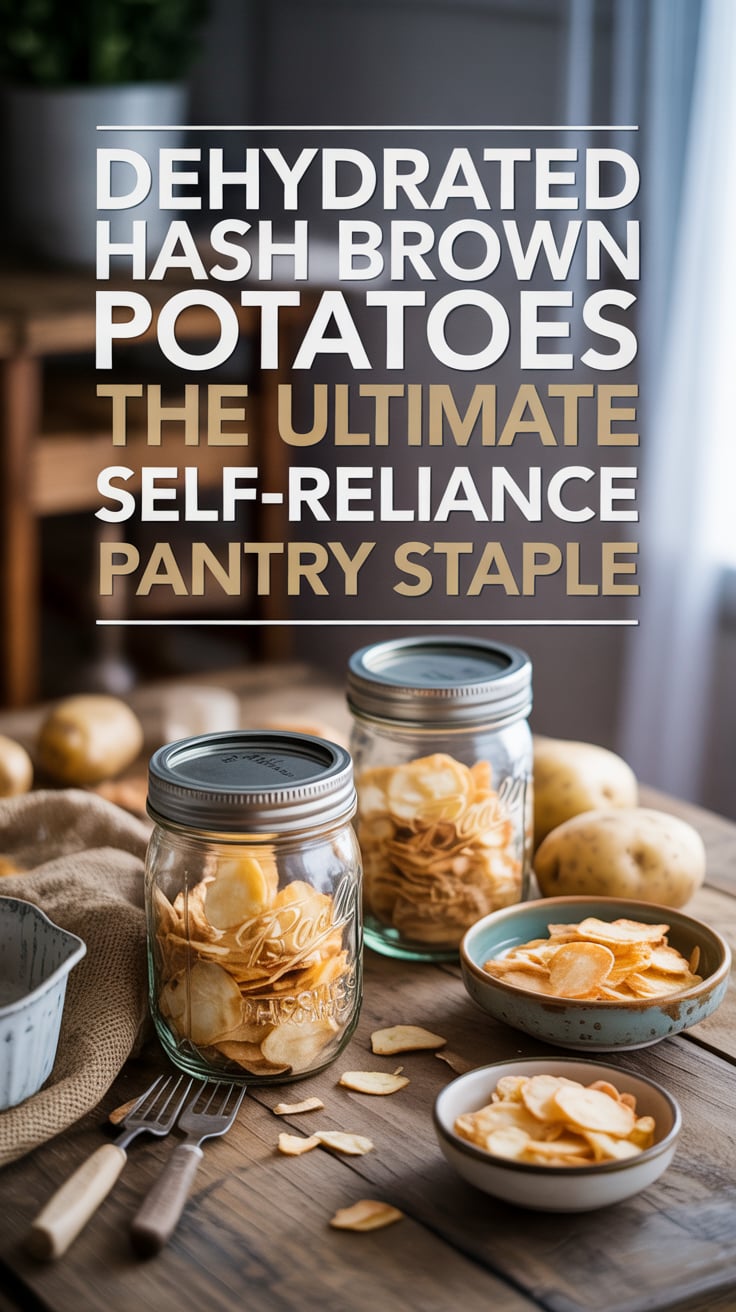
Dehydrated Hash Brown Potatoes are a high-value staple for self-reliance, emergency food storage, camping meals, and fast weeknight cooking. They’re lightweight, shelf-stable, easy to prepare, and pack dependable calories. Whether you make Dehydrated Hash Brown Potatoes at home or stock ready-to-cook shreds, you get long-term storage, quick rehydration, and the comfort food versatility of crispy, golden hash browns anytime—no fridge or freezer needed.
Get time-tested preservation ideas, pantry building checklists, and old-school recipes that pair perfectly with Dehydrated Hash Brown Potatoes in The Lost SuperFoods. It’s a practical reference for people who want to eat well off their pantry: The Lost SuperFoods.
For more resilience-minded cooking and storage guides, bookmark the main site: Everyday Self-Sufficiency.
Table of Contents
What Exactly Are Dehydrated Hash Brown Potatoes?
Dehydrated Hash Brown Potatoes are finely shredded, partially cooked or blanched potatoes that have had most of their moisture removed using gentle, low heat and airflow. By lowering water activity, Dehydrated Hash Brown Potatoes resist microbial growth and spoilage, turning perishable spuds into a shelf-stable, lightweight, stackable staple that rehydrates in minutes.
Key benefits of Dehydrated Hash Brown Potatoes:
- Lightweight and compact: you can store months’ worth in a single tote.
- Long shelf life: with proper packaging and oxygen control, years of storage is realistic.
- Fast cooking: rehydrate with hot water or broth, then pan-fry to crisp perfection.
- Versatile: breakfast skillets, casseroles, soups, burritos, shepherd’s pie topping, and camp meals.
- Budget-friendly: turn bulk potatoes into premium, ready-to-use Dehydrated Hash Brown Potatoes.
Related terms and NLP keywords you’ll see throughout:
- Dehydrated potatoes, shredded potatoes, hash browns, potato shreds
- Dehydrator vs oven drying, solar dehydrator, blanching, parboiling
- Citric acid dip, anti-browning, sulfite alternatives
- Mylar bags, oxygen absorbers, vacuum sealing, dry canning (not heat canning)
- Shelf life, water activity, rehydration ratios
- Prepper pantry, FIFO rotation, cast iron cooking, camp skillet
Dehydrated Hash Brown Potatoes are not freeze-dried; they’re air-dried at low temperatures. This preserves structure and starch while driving off moisture. When rehydrated, Dehydrated Hash Brown Potatoes regain flexibility and fry up golden and crispy. If you enjoy diner-style hash browns or potato pancakes, you’ll love how easily these slot into your cooking routine.
Can Hash Browns Be Dehydrated? Yes—Here’s the Science and the Method
Yes, hash browns can be dehydrated—and it’s one of the best forms of potato preservation for texture and speed. The process for Dehydrated Hash Brown Potatoes hinges on three pillars: shred size, pre-treatment, and dry temperature.
- Shred size: Fine to medium shreds dry faster and rehydrate evenly. A food processor with a shredding disk or a box grater works well.
- Pre-treatment: Blanching (parboiling) sets the starches and reduces enzymes that cause browning and off-flavors. An acid dip (citric acid solution) helps color retention.
- Dry temperature: 125–135°F (52–57°C) is the sweet spot for potatoes in most dehydrators, preserving color and flavor while ensuring even moisture removal.
Basic workflow for Dehydrated Hash Brown Potatoes:
- Wash and peel (optional) russet or Yukon gold potatoes. Russets give classic diner-style texture; Yukons provide a buttery flavor.
- Shred. Immediately place raw shreds in a cold water bath to prevent oxidation and rinse away excess starch.
- Blanch. Simmer shreds 2–3 minutes just until they turn opaque and slightly tender. Don’t fully cook.
- Shock and drain. Transfer to cold water to stop cooking, then drain thoroughly. Squeeze gently to remove surface water.
- Anti-brown dip. Briefly dip in a 0.5–1% citric acid solution (or lemon juice solution) to help maintain bright color.
- Load dehydrator trays. Spread in a thin, even layer on mesh screens or parchment-lined trays to prevent falling through.
- Dry at 125–135°F. Rotate trays as needed. Drying typically takes 6–10 hours depending on humidity, shred thickness, and machine airflow.
- Condition and package. Once the shreds snap and feel completely dry, condition in a jar for a few days (shake daily; look for clumping/condensation). Then package in Mylar with oxygen absorbers for long-term storage, or in mason jars for short term.
What about pre-cooked hash browns? You can dehydrate partially cooked, oil-free hash browns, but oily foods don’t store as long; oil can go rancid. For true long-term Dehydrated Hash Brown Potatoes, keep them low-fat during drying. Add oil during final cooking.
Safety notes:
- Potatoes are low-acid; dehydration doesn’t make them shelf-unstable as long as moisture is sufficiently removed and packaging prevents oxygen ingress. Never heat-can dehydrated potatoes—only store them dry.
- Aim for crisp, brittle shreds that snap. Leatheriness means more drying time.
- If in doubt, keep short-term batches in airtight jars and use within months while you refine your process.
How to Dry Potatoes for Hash Browns: Dehydrator, Oven, and Solar Options
You don’t need an expensive setup to make Dehydrated Hash Brown Potatoes. Choose the method that matches your climate and gear.
Dehydrator method (best control and results)
- Prep: Follow the shredding, rinse, blanch, and citric acid steps.
- Load: Use nonstick mesh or silicone liners. Spread a thin layer; avoid clumping.
- Temperature: 125–135°F. Higher temps risk case-hardening (outer layer dries too fast, trapping moisture inside).
- Time: 6–10 hours. Start checking at hour 5. Fully dry shreds will be very light, brittle, and snap easily.
- Finish: Condition in jars for 2–4 days. If you see any condensation, return to the dehydrator.
Oven method (accessible, but watch heat)
- Prep: Same as above.
- Set oven: Lowest temp (often 170–200°F). Prop door slightly open to allow moisture to escape.
- Time: 3–6 hours depending on oven and thickness. Turn shreds occasionally for even drying.
- Risks: Higher heat can brown or partially cook shreds, which reduces storage life. Still, it can work well for short- to mid-term storage.
Solar dehydrator or sun-drying (climate-dependent)
- Climate: Works best in arid conditions with strong sun and low humidity.
- Food safety: Aim for airflow, screened protection from insects, and temperatures above 120°F for hours at a time.
- Time: 1–2 sunny days with good airflow. Bring trays in overnight to prevent moisture reabsorption.
Pro tips for Dehydrated Hash Brown Potatoes:
- Don’t skip the rinse. Removing excess starch helps shreds dry evenly and crisp better when fried later.
- Keep layer thin. Thick piles trap steam and slow down drying or cause uneven results.
- Rotate trays. Dehydrators have hot spots. Rotating trays at the halfway point evens out the batch.
- Label with date, variety, and batch notes. Tracking your process helps you dial in the most consistent Dehydrated Hash Brown Potatoes.
When you’re done, you’ll have jars or Mylar bags filled with lightweight, crispy potato shreds that transform in minutes during rehydration.
Storage, Packaging, and Shelf Life: How Long Are Dehydrated Hash Browns Good For?
When properly dried and packaged, Dehydrated Hash Brown Potatoes are one of the longest-lasting, most space-efficient staples in a preparedness pantry.
Short-term storage (0–12 months)
- Use airtight mason jars or high-quality plastic containers with desiccant packets.
- Store in a cool, dark cabinet away from heat sources and sunlight.
- Open frequently? Split into smaller jars to minimize oxygen exposure.
Long-term storage (1–10+ years)
- Package Dehydrated Hash Brown Potatoes in Mylar bags with oxygen absorbers (typically 300–500cc per 1-gallon bag).
- Seal using a heat sealer or a clothes iron on a hard edge. Check for complete seams.
- Place sealed Mylar in a food-grade bucket to block light, prevent punctures, and deter rodents.
- Ideal storage conditions: 50–70°F, low humidity, no light.
Realistic shelf life ranges:
- In jars: 6–18 months for peak quality, assuming low humidity and minimal opening.
- In Mylar with O2 absorbers: 5–10 years+ is common for Dehydrated Hash Brown Potatoes, depending on dryness level, temperature stability, and fat content.
- Signs to rotate out: Stale aroma, loss of snap, visible moisture, or off-colors. If moisture appears, do not consume—discard.
Avoid these mistakes:
- Trapping residual moisture. If shreds bend instead of snap, dry longer. Moisture invites spoilage.
- Packaging while warm. Let Dehydrated Hash Brown Potatoes cool to room temperature before sealing to prevent condensation.
- Adding fat before drying. Oil shortens shelf life. Keep drying batches fat-free, then use oil or butter at cooking time.
Pairing storage with water planning:
To rehydrate Dehydrated Hash Brown Potatoes reliably, build a home water reserve that doesn’t take over your whole space. A compact, stackable option designed for emergencies and everyday use is the SmartWaterBox. Keeping clean water on hand ensures you can rehydrate and cook your Dehydrated Hash Brown Potatoes even during disruptions.
Rehydration and Cooking: How to Use Dehydrated Hashbrowns for Crispy Results
Rehydrating Dehydrated Hash Brown Potatoes is quick and forgiving. The goal is fully hydrated but not waterlogged shreds that fry up crunchy on the outside and tender inside.
Basic rehydration ratio
- Start with 1 cup of Dehydrated Hash Brown Potatoes to 1 cup of hot water.
- Soak 10–15 minutes. Drain any excess.
- If you prefer firmer shreds, use slightly less water; for softer hash browns, add a splash more.
- For richer flavor, use hot broth or add a pinch of salt, garlic powder, onion powder, or smoked paprika to the soak water.
Pan-frying method
- Preheat a cast-iron skillet with 1–2 tablespoons oil, ghee, or fat of choice.
- Squeeze out excess moisture from rehydrated shreds (use clean hands or a towel).
- Press into the hot skillet in an even layer. Don’t stir—let a crust form.
- Cook 4–6 minutes per side until deeply golden and crunchy edges form.
- Season with salt, pepper, and chives. Optional: top with a fried egg, cheese, or sausage gravy.
Other ways to use Dehydrated Hash Brown Potatoes
- Breakfast casserole: Soak and layer with eggs, cheese, cooked sausage, and peppers. Bake until set.
- Potato pancakes (latke-style): Rehydrate, add egg, flour, and seasoning; pan-fry in small rounds.
- Soups and stews: Toss a handful of dry shreds directly into simmering broth to thicken and add body.
- Campfire cooking: Rehydrate in a zip-top bag with hot water, drain, then fry in a camp skillet.
- Burritos and skillets: Mix with rehydrated veggies, canned chiles, and dehydrated onions for a fast skillet meal.
Water readiness matters:
Rehydration depends on clean, steady water access. Consider pairing your pantry with a gravity-fed or stored water solution so Dehydrated Hash Brown Potatoes are usable in any situation. For compact, modular storage, see SmartWaterBox. For longer-term emergency harvesting and filtration strategies, a whole-home approach like Aqua Tower can complement your setup.
Flavor upgrades:
- Toss rehydrated shreds with dehydrated minced onion, powdered bouillon, black pepper, and parsley.
- Fry in bacon fat for diner-style depth.
- Finish with a splash of vinegar or hot sauce for brightness.
With these methods, Dehydrated Hash Brown Potatoes become a fast, crowd-pleasing base for everything from hearty breakfasts to satisfying camp dinners.
Nutrition, Safety, and Quality Control for Perfect Batches
Dehydrated Hash Brown Potatoes retain most of the potato’s calories and starch while losing water weight, making them an efficient energy source for your pantry.
Typical nutrition (per rehydrated cup, approximate)
- Calories: ~110–150 (varies by potato type and rehydration)
- Carbs: 24–32g
- Fiber: 2–3g
- Protein: 2–3g
- Fat: 0g until you add cooking oil
- Potassium, vitamin C (partially reduced with cooking), and B vitamins
Safety and quality best practices for Dehydrated Hash Brown Potatoes:
- Enzymatic browning control: Rinsing, blanching, and a quick citric acid dip help prevent discoloration.
- Thorough drying: Aim for a brittle snap. Any flexibility suggests residual moisture, which compromises shelf life.
- Conditioning: Store dried shreds in a large jar for a few days and shake daily. If fogging appears, return to dehydrator.
- Odor check: A fresh, neutral potato scent is ideal. Musty or sour aromas indicate moisture or contamination—discard.
- Oil avoidance during drying: Oil can go rancid in storage, lowering shelf life and flavor.
Common troubleshooting:
- Shreds stick to trays: Use mesh liners or parchment. Flip halfway through drying if needed.
- Uneven dryness: Shreds too thick or piled. Spread thinner, rotate trays.
- Gray or brown tones: Insufficient blanching or anti-browning step. Try a slightly longer blanch or stronger acid dip next batch.
- Mushy after rehydration: Over-soaked. Reduce soak time or water volume; squeeze out excess moisture before frying.
- Not crisping in pan: Skillet not hot enough or shreds still wet. Preheat longer and press into an even, compact layer.
Dietary adaptations:
- For low-sodium diets, season after cooking rather than salting the soak water.
- For gluten-free potato pancakes, bind with egg and a gluten-free flour like rice or potato starch.
- For dairy-free casseroles, use olive oil and vegetable stock; finish with herbs and caramelized onions.
Remember: Dehydrated Hash Brown Potatoes are shelf ingredients, but the final flavor happens in the pan. A good sear, enough heat, and the right fat transform rehydrated shreds into golden, crunchy comfort food.
Budgeting, Yield Math, and Pantry Planning With Potato Batches
Dehydrated Hash Brown Potatoes shine when you scale up. Turning a 10–20 lb bag of potatoes into shelf-stable shreds saves money and grocery trips.
Yield estimates
- 1 pound raw potatoes ≈ 3–3.5 cups raw shreds.
- After blanching and dehydrating, yield ≈ 1–1.25 cups dry shreds.
- Rehydrated yield ≈ 1–1.25 cups per cup dry shreds (varies with water added).
Cost comparison (rough example)
- Bulk potatoes: $0.60–$1.00 per lb.
- Commercial dehydrated hash browns: Typically more expensive per serving.
- DIY Dehydrated Hash Brown Potatoes: You pay for electricity and time, but bulk prep slashes per-serving cost and adds control over ingredients.
Batch planning tips:
- Run the dehydrator overnight when rates are lower or temps are cooler.
- Stagger trays: Shred while one batch blanches; load new trays as older trays finish.
- Keep notes: Potato variety, blanch time, dry time, and tray thickness. Repeat the best-performing combo.
FIFO rotation:
- Store Dehydrated Hash Brown Potatoes in dated packages and use oldest first.
- Keep a working jar in the kitchen and long-term packages in storage.
- Track meals on a freezer/pantry whiteboard to ensure steady rotation.
Menu ideas for rotation:
- Weekly breakfast skillet with eggs and whatever veg is on hand.
- Hash brown-crusted quiche.
- 15-minute soup thickened with a handful of dry shreds.
- Camp or road-trip burritos using rehydrated Dehydrated Hash Brown Potatoes.
Organize your pantry build with the guides you’ll find at Everyday Self-Sufficiency.
Recommended Gear and Resources for Better Results
While you don’t need fancy tools to make Dehydrated Hash Brown Potatoes, a few choices improve speed and consistency.
Useful tools:
- Dehydrator with thermostat and good airflow
- Food processor with shredding disc or a box grater
- Large stockpot for blanching
- Mesh dehydrator screens or silicone liners
- Mylar bags, oxygen absorbers, heat sealer
- Cast-iron skillet for crisping
Field-tested resources that pair perfectly with Dehydrated Hash Brown Potatoes:
- Deep-dive pantry strategies and recipes: The Lost SuperFoods for no-fridge staples, emergency meal plans, and preservation tips that complement your potato projects.
- Water storage and rehydration readiness: SmartWaterBox for modular, space-saving water reserves that keep Dehydrated Hash Brown Potatoes practical year-round.
- Off-grid water resilience: Aqua Tower for long-term, gravity-fed water independence at home or a retreat.
- Medical self-reliance for homesteads: Home Doctor to round out your preparedness alongside shelf-stable foods like Dehydrated Hash Brown Potatoes.
These recommendations are chosen for relevancy: food preservation knowledge, water reliability for rehydration, and basic medical readiness are the core pillars that make Dehydrated Hash Brown Potatoes more than a recipe—they become a dependable system.
Off-Grid Cooking and Emergency Use Cases
Dehydrated Hash Brown Potatoes excel when power is limited or grocery trips are impossible. They cook with minimal fuel, and their neutral flavor complements whatever protein you have.
Off-grid cooking methods:
- Propane stove or grill side-burner: Fry rehydrated Dehydrated Hash Brown Potatoes in a cast-iron skillet.
- Rocket stove or wood stove: Use a heavy pan and steady heat for crisping.
- Solar oven: Rehydrate and bake as a layered casserole or crust; finish under high sun for browning.
Grid-down scenarios:
- Meal extender: Stir dry shreds into canned soups and stews to stretch portions.
- Breakfast morale booster: Hot, crispy hash browns bring comfort and energy.
- Casserole base: Combine with canned meats and dehydrated veggies for one-pan meals.
Urban readiness:
- Keep small, resealable pouches of Dehydrated Hash Brown Potatoes at work or in a go-bag.
- Pair with shelf-stable proteins (canned tuna, chicken, SPAM) and a compact stove.
- Water storage is tight in apartments; choose modular options like SmartWaterBox to support daily cooking and emergency rehydration.
If you’re building a wider resilience plan around food, water, and situational know-how, consider urban-centric strategies that complement pantry staples like Dehydrated Hash Brown Potatoes: URBAN Survival Code.
For more skill-building and interlinking opportunities, keep exploring Everyday Self-Sufficiency.
Advanced Techniques: Flavor, Texture, and Batch Improvements
Once your baseline Dehydrated Hash Brown Potatoes are consistent, try these enhancements.
Flavor pre-seasoning:
- Very light dusting of garlic powder, onion powder, and white pepper after blanching and before drying. Go easy—strong spices can intensify during storage.
- Add dried chives or parsley to the jar (keep total moisture low).
Texture hacks:
- Double-squeeze after rehydration: press shreds in a towel to expel water for thicker, crispier patties.
- Use a mix of russet (structure) and Yukon gold (flavor) for the best of both worlds.
- Press rehydrated shreds into a waffle iron for grid-patterned crispness.
Casserole-friendly variations:
- Reserve a portion of shreds slightly less dry if you plan to use them exclusively in baked dishes; they’ll hydrate from sauce in the oven. For long-term storage, keep all batches fully dry, and control hydration during cooking instead.
Low-sodium strategies:
- Salt at the skillet, not the soak. Include aromatic spices to boost perceived saltiness without extra sodium.
Batch refinement:
- Keep sample jars from each batch. Taste-test monthly for flavor, texture, and color changes to refine your process.
- Experiment with different blanch times (2, 3, 4 minutes) and record results. Under-blanching leads to discoloration; over-blanching can dull flavor and reduce texture.
Energy and time efficiency:
- Shred and rinse in ice water ahead of time; store in the fridge submerged (short-term) to pace your blanch-dehydrate cycle.
- Run the dehydrator when you’re home to rotate trays at peak times.
With these advanced tactics, your Dehydrated Hash Brown Potatoes will rival and surpass store-bought in flavor, texture, and reliability.
Conclusion: Build a Reliable, Tasty Pantry Backbone
Dehydrated Hash Brown Potatoes turn an everyday ingredient into a long-lasting, versatile workhorse. From easy breakfasts and casseroles to off-grid meals, they’re fast, affordable, and satisfying. You control the ingredients, achieve multi-year shelf life with smart packaging, and get a pantry staple that’s as useful for busy weeknights as it is for emergencies.
Call to action:
- Learn heritage preservation methods and pantry-first meal plans that enhance your Dehydrated Hash Brown Potatoes: The Lost SuperFoods.
- Ensure you can rehydrate anytime with modular water storage: SmartWaterBox.
- Round out your urban readiness so your pantry truly serves you when it counts: URBAN Survival Code.
Keep this guide handy, and keep exploring the skills that make self-sufficiency practical: Everyday Self-Sufficiency.
FAQ: Dehydrated Hash Brown Potatoes
Can hash browns be dehydrated?
Yes. Shred potatoes, rinse to remove extra starch, blanch 2–3 minutes, cool, dip briefly in a mild citric acid solution, and dehydrate at 125–135°F until the shreds are brittle. Properly dried Dehydrated Hash Brown Potatoes rehydrate fast and fry up crispy.
How to use dehydrated hashbrowns?
Soak 1 cup Dehydrated Hash Brown Potatoes in 1 cup hot water for 10–15 minutes, drain, then fry in a hot, oiled skillet until golden. Use in breakfast skillets, potato pancakes, casseroles, soups, burritos, and camp meals. Season to taste and press into the pan for a good crust.
How to dry potatoes for hash brown?
Shred, rinse, blanch, shock in cold water, drain thoroughly, optionally dip in a 0.5–1% citric acid bath to reduce browning, then dehydrate on mesh-lined trays at 125–135°F until brittle (6–10 hours). Condition in jars for a few days before packaging long-term.
How long are dehydrated hash browns good for?
In airtight jars at cool room temperature, expect 6–18 months of quality. In Mylar bags with oxygen absorbers, stored cool, dark, and dry, Dehydrated Hash Brown Potatoes can last 5–10+ years. Keep oil out during drying, ensure a crisp snap, and package only when fully cool for the longest life.