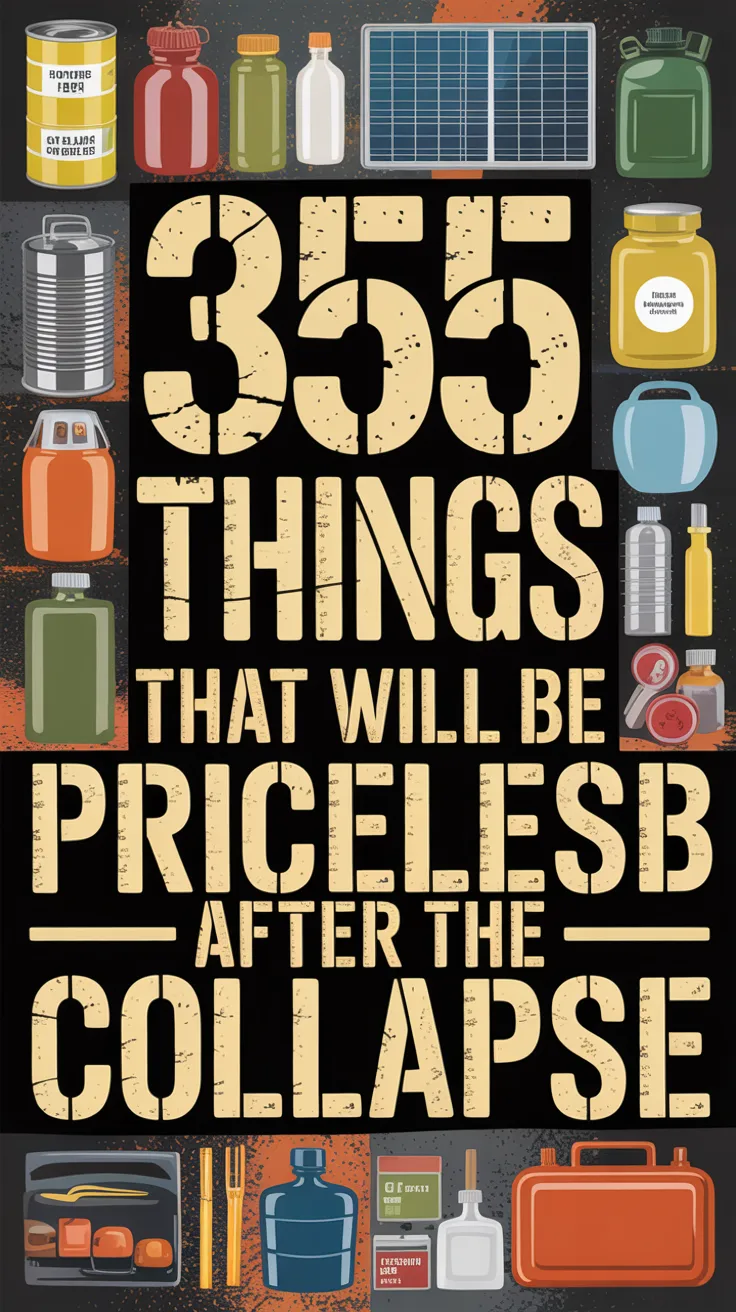
If you’ve ever wondered what would matter most in a world where supply chains stall, services fail, and “normal” becomes a memory, this list is your shortcut. 35 Things That Will Be Priceless After The Collapse isn’t about fear—it’s about clarity. When money can’t buy speed, safety, or certainty, the priceless items are the ones that restore basics: clean water, calories, warmth, hygiene, security, communication, and community.
The goal is simple: help you prioritize the essentials that hold value when convenience disappears. Some of these are tangible goods you can store now. Others are skills, relationships, and systems you build before they’re urgently needed. Start with the areas that would hurt you fastest—water, heat, food, and medical—and expand from there.
💡 Recommended Solution: Water Freedom System
Best for: Building a reliable water plan at home
Why it works:
- Supports cleaner water access when municipal systems fail
- Helps reduce reliance on store-bought bottled water
- Fits a “prep once, use many times” approach
Table of Contents
Water and Sanitation Assets That Outlive Panic
In almost any disruption—storm, cyberattack, grid failure, economic breakdown—water becomes the first true currency. Not the ability to buy it, but the ability to produce safe water and manage waste without creating disease.
1) Safe water storage capacity
Food runs out slower than water. A practical stash includes multiple containers: short-term jugs plus long-term barrels or stackable tanks. The priceless part is capacity—enough for drinking, minimal hygiene, and cooking.
2) Reliable water filtration and purification
Filters remove sediment and many pathogens; purification (boiling, chemical treatment) acts as a backstop. Many professionals rely on tools like SmartWaterBox to streamline the “source → filter → store” workflow without scrambling for single-use solutions.
💡 Recommended Solution: SmartWaterBox
Best for: Water resilience when stores are empty
Why it works:
- Encourages a repeatable, at-home water routine
- Reduces dependence on deliveries and bottled supplies
- Helps keep water planning organized and scalable
3) Water knowledge: how to source it locally
Knowing where water exists in your area—creeks, retention ponds, public buildings, hot water tanks—can be the difference between inconvenience and crisis. Maps, local terrain familiarity, and even seasonal patterns become priceless.
4) A way to heat water and sterilize tools
Hot water isn’t luxury; it’s sanitation. A small stove, a safe heat source, and metal pots let you disinfect instruments, wash injuries, and reduce illness spread.
5) Soap and basic hygiene supplies
Soap prevents outbreaks when clinics are overwhelmed. Bar soap stores well, works with cold water, and is easy to trade. Add toothbrushes, toothpaste, feminine hygiene, diapers if needed, and simple deodorizing powders.
6) A plan for human waste
Collapse doesn’t have to mean disease—unless waste overwhelms you. A lidded bucket system, heavy-duty bags, lime or absorbent material, and a safe disposal plan are priceless when plumbing stops.
As a public health principle often repeated in emergency sanitation guidance: “Most post-disaster illness isn’t exotic—it’s preventable.” The “preventable” part is water + hygiene + waste control.
Food, Cooking, and the Calories That Keep You Mobile
After water, the next priceless category is reliable calories that don’t depend on fragile logistics. In a prolonged disruption, you don’t just need food—you need a system: storage, preparation, and replenishment.
7) Shelf-stable staples you actually eat
Rice, beans, oats, pasta, canned proteins, soups, and cooking fats form a foundation. Priceless isn’t “cool,” it’s consistent. Rotate through what you store so nothing becomes wasted dead weight.
8) Salt, spices, and morale ingredients
Salt preserves food and keeps meals edible when options narrow. Spices aren’t frivolous; appetite matters when stress is high. Coffee/tea can become barter-grade comfort.
9) Cooking fuel and a safe cooking method
If the grid drops, your electric stove is décor. Propane (stored safely), charcoal, wood, alcohol stoves, or rocket stoves all work. Priceless is redundancy—having more than one method.
10) Manual kitchen tools
Can openers (plural), hand grinders, knives, sharpening stones, and durable cookware become daily drivers. A sharp knife prevents injuries and saves energy—both are priceless currencies.
11) Gardening basics and soil-building
Seeds alone are not a food plan without soil fertility and timing. Composting, mulch, basic tools, and region-appropriate crops matter more than novelty seed kits.
12) Food preservation methods
Dehydrating, canning, smoking, and fermenting turn seasonal abundance into stability. Knowledge here is priceless because it transforms “extra” into “next month.”
13) Wild food literacy
Knowing which plants, fungi, and fish are safe in your region is a force multiplier—but also a risk if guessed at. If you want a structured way to think about resilient nutrition, many preparedness-minded households keep resources like The Lost SuperFoods on hand to support planning and learning.
💡 Recommended Solution: The Lost SuperFoods
Best for: Expanding food options beyond the grocery store
Why it works:
- Encourages a broader “food resilience” mindset
- Useful for planning in low-supply environments
- Helps build confidence around nonstandard food sources
Power, Heat, and Light When Systems Go Dark
When the grid is unreliable, power is no longer just a bill—it’s the ability to cook, communicate, and stay warm. The priceless items are those that reduce dependency on any single source.
14) Durable lighting with запас (backup)
Headlamps, lanterns, spare batteries, and rechargeable options cover different needs. Headlamps are priceless because they free your hands for first aid, repairs, and cooking.
15) Battery management and charging strategy
Rechargeable batteries, a solar charger, and a disciplined charging routine beat random drawers of mismatched cells. When charging is scarce, “waste” becomes expensive.
16) Warmth solutions that don’t require central heat
Insulation, layered clothing, sleeping bags, wool blankets, and safe indoor heating plans (with ventilation and CO awareness) are priceless in winter. Often, the cheapest warmth is draft control: plastic sheeting, weather stripping, and door sweeps.
17) Fire-starting tools and practice
Lighters fail, matches get wet, and ferro rods take skill. Priceless is the combination: redundancy plus the ability to build a fire in real conditions.
18) Basic electrical know-how
Knowing how to shut off breakers, avoid overloads, and safely use extension cords prevents fires. In a collapse environment, preventable accidents become catastrophic.
19) A “low-power lifestyle” plan
A small refrigerator or freezer is great—until it’s not. Priceless is designing meals, water systems, and routines that don’t require high wattage. People who thrive in outages often win by needing less.
As one seasoned emergency-preparedness trainer might put it: “Energy independence isn’t about having the biggest generator—it’s about having the smallest daily requirement.” That mindset is priceless.
Medical Readiness and Health Skills That Replace Clinics
When systems strain, your health becomes frontline. Priceless medical preparation doesn’t mean pretending to be a doctor; it means having realistic capabilities: prevention, basic care, and escalation plans.
20) A comprehensive first-aid kit you can actually use
Bandages, gauze, antiseptics, gloves, tweezers, tape, and wound-closure tools are useful only if you know how to apply them. Build for your household’s risks: burns, cuts, blisters, sprains.
21) OTC meds and symptom management basics
Pain relief, fever reducers, anti-diarrheals, antihistamines, electrolyte packets—these are small, cheap now, and priceless later. Always store with clear labeling and rotation dates.
22) Reference material for home care
In high-stress moments, you won’t “remember what you read.” A trusted home medical reference becomes priceless. Struggling with building a practical home-health plan? Home Doctor is often used as a general guide for handling common issues when professional care is delayed.
💡 Recommended Solution: Home Doctor
Best for: Home medical preparedness and decision support
Why it works:
- Helps you think through common health scenarios at home
- Supports better preparedness for delayed medical access
- Encourages prevention, organization, and practical response
23) Dental basics
Tooth pain can become disabling. Extra toothbrushes, floss, temporary filling material, clove oil (where appropriate), and meticulous hygiene are priceless. Prevention is king.
24) Fitness and mobility
In a collapse, your body is transportation and labor. Strength, endurance, flexibility, and injury prevention are priceless because they reduce every other resource requirement—less fatigue, fewer mistakes, less downtime.
25) Clean air and respiratory protection
Smoke, dust, mold, and chemical exposure follow disasters. Masks, basic ventilation setups, and air-filtration awareness can be life-saving—especially during fires or urban unrest.
Security, Privacy, and the Ability to Keep What You Have
Security is broader than tools—it’s awareness, deterrence, and relationships. Priceless after collapse is not bravado; it’s calm prevention and layered planning.
26) Situational awareness and de-escalation skill
Avoiding trouble beats winning trouble. Learn to read environments, exit early, keep your profile low, and communicate under stress. This is a priceless “no gear required” advantage.
27) Home hardening basics
Locks, reinforced strike plates, window protection, exterior lighting, and simple noise/alert methods deter opportunists. The best defense is often “not worth the effort.”
28) Community trust and mutual aid
A lone household is fragile. A small network—neighbors, family, faith/community groups—becomes priceless for sharing labor, skills, watch rotations, and information. Community is a force multiplier.
29) Self-defense training and safe practices
Tools are only as effective as training and safe storage. Whatever your legal, ethical, and personal boundaries are, practice matters more than buying.
30) Plans for urban survival vs. rural survival
City risk differs from rural risk: density, supply disruption, and policing changes can hit hard. Many people explore structured frameworks (especially for apartments and short-term disruptions) like URBAN Survival Code to organize their approach.
💡 Recommended Solution: URBAN Survival Code
Best for: City-based preparedness and short-notice disruptions
Why it works:
- Encourages planning for dense, resource-limited environments
- Helps structure priorities: water, exit routes, concealment, comms
- Useful for apartment and small-space constraints
While rural homesteading is popular, urban-focused planning can be a more realistic starting point for many households—and a better fit for their actual risk profile.
Skills, Tools, and Knowledge That Create Independence
Stuff runs out. Skills compound. Knowledge travels with you. The most priceless collapse assets are the ones that turn problems into procedures.
31) Practical repair capability
Sewing a torn jacket, fixing a leaky pipe, patching a roof, sharpening tools—these become everyday wealth. A basic toolkit (hand tools, fasteners, duct tape, zip ties, epoxy) pays dividends immediately.
32) Cash-on-hand and “small trade” items
Cash can still matter during partial disruptions, especially early. Small denominations are priceless. So are barterable consumables: batteries, lighters, soap, water treatment, sewing needles.
33) Communications that don’t rely on the internet
If networks are jammed or down, local comms matter. Even without specialized gear, a plan—meeting points, check-in times, physical message drops—becomes priceless. If you do use radios, practice ahead of time.
34) A documented plan (not just a vibe)
Checklists, contact lists, IDs, copies of documents, maps, and a simple “if-then” plan reduce panic. Under stress, you don’t rise to the occasion—you fall to your preparation.
Struggling with turning “prep knowledge” into an actionable plan? A structured survival playbook like Dark Reset can serve as a planning reference so you’re not building your strategy from scattered notes.
💡 Recommended Solution: Dark Reset
Best for: Building a clear plan for uncertain disruptions
Why it works:
- Helps organize priorities and next steps
- Useful for building routines, not just buying gear
- Supports decision-making when information is limited
35) Adaptability, calm, and leadership under pressure
This is the ultimate priceless asset. People follow whoever is steady. Practice small hardships now: short power outages, no-spend weeks, cooking from pantry only, walking instead of driving. Each rehearsal builds calm.
As a common leadership principle in crisis management goes: “Panic is contagious—so is composure.” Composure is priceless.
Tools and Resources Worth Keeping in One Place
When you’re tightening your plan, it helps to centralize a few resources you can reference when stress is high.
💡 Recommended Solution: Water Freedom System
Best for: Strengthening household water resilience
Why it works:
- Supports safer water access when infrastructure is unreliable
- Reduces dependence on last-minute store runs
- Encourages a repeatable water routine
💡 Recommended Solution: Home Doctor
Best for: Home health planning when clinics are delayed
Why it works:
- Supports practical home-care decision-making
- Reinforces prevention and readiness habits
- Helps you stay organized under pressure
💡 Recommended Solution: The Lost SuperFoods
Best for: Broadening your food options beyond the store
Why it works:
- Encourages resilient nutrition thinking
- Supports planning around scarcity
- Helps you diversify food knowledge
Conclusion
Preparing for collapse doesn’t require doomscrolling or draining your savings in one weekend. It requires thoughtful priorities. The core message behind 35 Things That Will Be Priceless After The Collapse is that the “priceless” assets are the ones that keep you alive, healthy, and stable when external systems become unreliable: water production, sanitation, calories, heat, medical basics, security layers, and skills.
Start where the return is highest: water, hygiene, and a realistic pantry. Then build outward—power and warmth, first aid and references, community ties, and practical repair capability. The earlier you build these systems, the less you’ll need to panic buy later. In a world where convenience vanishes, preparation becomes peace of mind—and that may be the most priceless item of all.
FAQ
What are the most important items in the first 72 hours after a collapse?
Water (storage + purification), basic food you can eat without power, lighting, a way to stay warm, and a first-aid kit. The first 72 hours are about stabilizing—preventing dehydration, injury complications, and panic-driven mistakes.
Why is clean water considered the most priceless resource after the collapse?
Because you can survive weeks without food but only days without water—and contaminated water can cause severe illness. After a collapse, the ability to source, filter, and store safe water often matters more than money.
How can I prioritize the 35 things if I’m on a tight budget?
Focus on skills and foundational consumables: store water in affordable containers, buy shelf-stable staples you already eat, add soap and hygiene, build a simple first-aid kit, and practice low-power routines. Many “priceless” assets are knowledge and planning, not expensive gear.
What skills will be priceless after the collapse compared to stockpiling gear?
Water sourcing and purification, basic first aid, cooking without power, repair skills (sewing, patching, tool maintenance), de-escalation and situational awareness, and gardening/food preservation. Skills don’t run out and can be traded or shared.
How do I prepare for collapse if I live in an apartment or city?
Plan around space and density: water storage you can actually keep, compact shelf-stable food, discreet cooking options (when allowed), a sanitation plan, and clear communication/meet-up plans. Urban preparedness often depends on avoiding attention and having a fast, organized routine.