
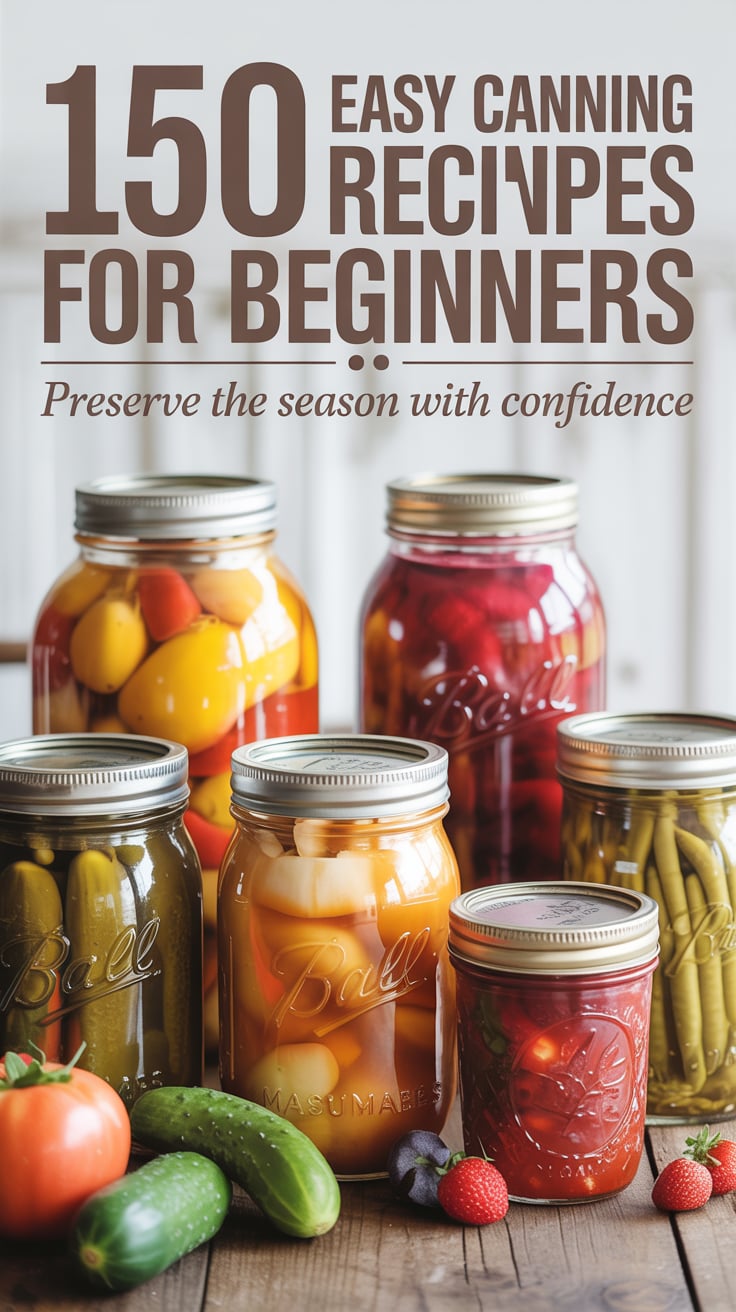
Canning is one of the most empowering kitchen skills you can learn. It stretches your grocery budget, reduces waste, and keeps peak-season flavor on your shelf all year long. This complete guide—150 Easy Canning Recipes for Beginners: Preserve the Season with Confidence—walks you through safe methods, smart gear, and a curated, beginner-friendly list of 150 recipe ideas organized by style and technique.
To complement your preservation journey with tried-and-true pantry staples for long-term storage and preparedness, explore The Lost SuperFoods. It’s a practical resource for stocking a resilient, flavor-forward pantry.
Canning basics that set you up for success
Canning is safe when you follow tested guidelines. Your main decision is whether to use a water-bath canner or a pressure canner, and that depends on food acidity. High-acid foods (most fruits, many pickles, chutneys, and properly acidified tomatoes) are processed in a boiling-water bath. Low-acid foods (vegetables, meats, and broth) require pressure canning to reach the temperatures needed to destroy botulism spores. Always follow reputable, tested recipes, particularly for processing times and acidity.
Key concepts to understand:
- Acidity: Foods with a pH of 4.6 or lower are high acid. Tomatoes vary and often need added lemon juice or citric acid. Never guess—use tested recipes from trusted sources like the USDA, the National Center for Home Food Preservation, and Ball/Fresh Preserving.
- Headspace: Leave the specified space between the food and the jar rim to ensure proper sealing and expansion.
- Air bubbles: Remove them by sliding a non-metallic tool down the sides of the jar to release trapped air.
- Altitude: Processing times and pressure levels change with elevation. Check your altitude and adjust accordingly.
- Jar prep: Wash jars, lids, and bands. Keep jars hot until filling. Use new lids each time.
- Cooling and storage: Let jars cool 12–24 hours undisturbed. Check seals, wipe jars, label with contents and date, and store in a cool, dark place.
Safety and reliability come from sources that rigorously test processing times and acidity. See the USDA Complete Guide to Home Canning, the National Center for Home Food Preservation, and Ball’s Fresh Preserving site for specifics. If you’re just getting started, follow one method until it feels second nature and expand from there. For tools and techniques, bookmark these internal guides:
- [How to Sterilize Canning Jars](INTERNAL LINK PLACEHOLDER)
- [Altitude Adjustments for Canning](INTERNAL LINK PLACEHOLDER)
- [Beginner’s Pressure Canning Guide](INTERNAL LINK PLACEHOLDER)
- [Canning Safety Checklist](INTERNAL LINK PLACEHOLDER)
Fruit spreads for beginners, from jams to butters
Fruit spreads are the easiest place to begin, and they’re perfect for water-bath canning. Below are 24 beginner-friendly ideas. Use tested recipes for sugar/pectin ratios and processing times, and scale small until you learn how your fruit sets.
- Classic strawberry jam
- Low-sugar strawberry jam
- Raspberry vanilla jam
- Mixed berry jam (strawberry, blueberry, raspberry)
- Blueberry lemon jam
- Blackberry jam
- Peach jam with a hint of cinnamon
- Nectarine ginger jam
- Apricot jam
- Cherry cinnamon jam
- Apple pie jam
- Pear vanilla jam
- Plum jam
- Fig jam with lemon
- Orange marmalade
- Three-citrus marmalade
- Lemon curd-style spread (use tested recipe with fridge storage unless specifically approved for canning)
- Grape jelly (Concord or muscadine)
- Apple jelly (from peels and cores)
- Pepper jelly (mild to hot)
- Strawberry rhubarb jam
- Peach butter (slow-cooked, smooth)
- Apple butter with warm spices
- Pumpkin butter alternative: not shelf-stable with home canning—freeze instead (include this in your rotation as a freezer preserve)
Tips for fruit spreads:
- Choose ripe, high-quality fruit and measure precisely.
- Use bottled lemon juice when recipes call for it to ensure standardized acidity.
- If your jam is too soft after processing, let it set for 24–48 hours; reprocessing is possible with a tested method if needed.
- For pectin-free jam, cook longer to concentrate fruit; use a wide pan for faster evaporation.
For anyone preparing in areas with unpredictable water supplies, having clean, reliable water makes canning easier and safer. Midway through your season, consider setting up longer-term water readiness with New Water Offer: SmartWaterBox for storage and Water Freedom System as a backup filtration option, so your kitchen routine can continue uninterrupted.
Crisp pickles, relishes, and brines that deliver crunch
Pickles are another beginner-friendly category for water-bath canning, and they’re incredibly versatile. Keep vinegar strength at 5% acidity (as specified in tested recipes), maintain salt levels for safety and texture, and process exactly as directed. Here are 26 ideas to spark your pickle pantry:
- Classic dill cucumber pickles (spears or chips)
- Bread-and-butter pickles
- Garlic dill chips
- Spicy dill spears
- Half-sour style refrigerator pickles (refrigerated, not canned)
- Sweet gherkins
- Kosher-style deli pickles
- Mustard pickles
- Pickled red onions
- Pickled Vidalia onions
- Pickled carrots with dill
- Pickled carrots with ginger
- Pickled beets (water-bath safe due to vinegar)
- Pickled cauliflower and carrots (giardiniera, vinegar-based)
- Pickled asparagus
- Pickled green beans (dilly beans)
- Pickled jalapeños
- Pickled banana peppers
- Pickled pepper mix (jalapeño, Fresno, serrano)
- Pickled okra
- Pickled radishes
- Pickled garlic cloves (vinegar-based, not oil-packed)
- Pickled cherry tomatoes (prick skins)
- Sweet corn relish
- Zucchini relish
- Chow-chow (southern relish)
Crispness tips:
- Use pickling cucumbers (Kirby types), harvested small and fresh.
- Use pickling salt; avoid iodized table salt that can cloud brine.
- Keep vegetables chilled in ice water for 1–2 hours before packing for firmer texture.
- Do not alter vinegar-to-water ratios in tested recipes.
- Calcium chloride (commercial pickle crisp) can improve firmness; follow label directions.
Flavor variations can be subtle but transformative—think dill seed vs. fresh dill heads, garlic intensity, or a pinch of mustard seed, coriander, and black peppercorns. For reliable bite and longevity, store your jars in a cool, dark place for a couple of weeks before opening so flavors meld.
Tomato bases and sauces to anchor your pantry
Tomatoes are the backbone of many weeknight meals. Because tomato acidity varies, most safe, tested tomato recipes add bottled lemon juice or citric acid. These are generally water-bath canned when properly acidified, though some tomato mixtures require pressure canning—always check a trusted source. Build your pantry with these 24 ideas:
- Crushed tomatoes (acidified)
- Whole peeled tomatoes in their juice (acidified)
- Diced tomatoes (acidified)
- Tomato juice (acidified)
- Tomato sauce (basic, acidified)
- Tomato basil sauce (use dried herbs only or add fresh at serving)
- Roasted tomato sauce (with tested recipe)
- Spaghetti sauce (tested, without meat)
- Pizza sauce (tested recipe, acidified)
- Enchilada sauce (tomato-based, tested recipe)
- Marinara with garlic (tested recipe)
- Seasoned tomato paste alternative: reduce sauce further
- Tomato soup base (tested recipe; canning-safe formula only)
- Tomato vegetable juice blend (V8-style, tested)
- Salsa-ready crushed tomatoes (acidified base for fresh salsa later)
- Tomato chutney (vinegar-based)
- Ketchup (tested recipe)
- Barbecue sauce (tomato-vinegar base, tested)
- Bloody Mary mix base (tested recipe, no alcohol in jars)
- Gazpacho base (do not can raw; can a tomato-vegetable base for later chilling)
- Tomato jam (sweet-spiced)
- Tomato confit alternative: not safe for canning due to oil—refrigerate/freeze
- Fire-roasted tomatoes (use broiler to char, peel, then can with acidifier)
- Green tomato chutney
Tomato tips:
- Use meaty varieties (Roma, San Marzano) for sauce; juicier slicers are great for crushed tomatoes and juice.
- Peel tomatoes quickly by scoring, blanching, and shocking in ice water.
- Add 2 tablespoons bottled lemon juice per quart (or 1 tablespoon per pint) for crushed or whole tomatoes unless using a tested recipe with specific acidification.
- Limit thickeners before canning. If you want a thicker sauce, cook down after opening, or follow a tested recipe with safe thickening agents.
Salsas, chutneys, and savory condiments you’ll use every week
Salsas feel “fresh,” but to be canning-safe they must follow tested formulas that control acidity and density. The recipes below are either common tested styles or types you’ll find in reputable sources—do not freestyle with thickening, extra peppers, or low-acid ingredients. Here are 22 flavorful ideas:
- Classic tomato salsa (mild)
- Classic tomato salsa (medium)
- Classic tomato salsa (hot)
- Roasted tomato salsa
- Salsa verde with tomatillos (tested recipe)
- Peach salsa (tomato-peach mix, tested)
- Mango salsa (vinegar-lime balanced, tested)
- Pineapple salsa (tested)
- Corn and black bean salsa (must use tested recipe; often pressure canned or water-bath only when formulated for safety)
- Pico-style salsa alternative: make fresh; skip canning
- Sweet onion salsa (tested)
- Smoky chipotle salsa (using canned chipotles; follow tested amounts)
- Garden salsa with bell peppers (tested)
- Apple chutney with raisins
- Cranberry apple chutney
- Tomato-date chutney
- Green chutney alternative: many fresh herb chutneys are not canning safe—refrigerate/freeze
- Zesty zucchini relish (tested)
- Jalapeño pepper jelly (great with cheese)
- Tomato-basil jam (sweet-savory)
- Hot pepper relish
- Plum sauce (Asian-style, tested vinegar-sugar balance)
Condiment tips:
- Vinegar should be 5% acidity. Do not dilute beyond tested formulas.
- Use bottled lemon or lime juice when stated (natural variability can cause unsafe pH).
- Do not thicken with flour, cornstarch, or pureed vegetables before canning unless a tested recipe specifically includes ClearJel or an approved thickener.
- Taste adjustments should rely on dry spices or finishing additions at serving time.
Broths, soups, and vegetables with the pressure canner
Welcome to the world of low-acid canning, where your pressure canner unlocks safe, shelf-stable meals. Never water-bath can low-acid foods. Follow precise times, pressures, jar sizes, and density rules in tested recipes.
Broths and soup bases (pressure canner; 18 ideas):
- Chicken bone broth
- Basic chicken stock
- Beef bone broth
- Beef stock with aromatics (strain solids before canning)
- Vegetable broth (onion, carrot, celery mix)
- Turkey stock (after holidays)
- Ham broth (defat well)
- Fish stock (short processing, use tested recipe)
- Mushroom broth
- Pho-style aromatic stock (strain spices)
- Ramen-style stock base (no fats or miso added; finish when serving)
- Tomato soup base (pressure-canned, tested)
- Chicken soup base (no noodles or dairy; add after opening)
- Beef vegetable soup base (no thickeners)
- Minestrone base (without pasta or leafy greens)
- Chili base without beans (add beans later or use tested bean formulas)
- Bean soup base (with properly pre-soaked beans and tested timing)
- Split pea soup base (tested recipe; watch density)
Vegetables (pressure canner; 16 ideas):
- Green beans (hot- or raw-pack)
- Carrots (sliced or diced)
- Potatoes (cubed; no mashed)
- Sweet potatoes in cubes (pressure can only)
- Beets (pressure can plain; pickled beets can be water-bath)
- Corn kernels (tested recipe)
- Peas (shelled, tested)
- Mixed vegetables (tested “vegetable medley”)
- Pumpkin or winter squash in cubes only (never puree)
- Turnips or rutabaga (in small cubes)
- Mushrooms (washed well, hot-packed)
- Asparagus spears (pressure can plain; pickled can be water-bath)
- Spinach or greens (pressure can; pack loosely)
- Okra (plain pressure-can; pickled can be water-bath)
- Celery (often better in soups; if canning, follow a tested recipe)
- Cabbage as ingredient in soup base (plain canned cabbage can be strong—test in small batches)
Best practices for pressure canning:
- Vent steam for 10 minutes before bringing the canner to pressure to ensure proper temperature.
- Adjust pressure for altitude as directed by your canner manual and tested recipes.
- Maintain a steady pressure—avoid big swings.
- Allow pressure to drop to zero naturally; never force-cool the canner.
- Open the lid away from you to avoid steam burns.
When water is scarce or off-tasting, it’s useful to have a backup plan for rinsing produce, washing jars, and keeping your canning workflow sanitary. Consider Water Freedom System for filtration and New Water Offer: SmartWaterBox for emergency storage so you can keep processing safely through the season.
Protein staples and meals-in-a-jar for grab-and-go dinners
Pressure canning lets you build a shelf-stable protein library. Use only tested recipes, pack meats as directed (raw or hot pack), and strictly follow times for the jar size used. Here are 20 ideas to round out your 150-easy-recipe roadmap:
- Boneless chicken breast chunks (raw pack)
- Chicken thighs (bone-in or boneless per recipe)
- Pulled chicken in broth (hot pack)
- Turkey chunks after the holidays
- Beef stew meat in broth
- Beef chunks for tacos (seasoned lightly; finish flavors at serving)
- Roast beef in broth (shreddable)
- Pork carnitas base (light seasoning, finish crisping later)
- Ground beef crumbles (pre-browned, de-fatted)
- Ground turkey crumbles (pre-browned)
- Italian sausage crumbles (pre-browned, well de-fatted)
- Meat stock with bits for soup (tested density)
- Ham in chunks (de-salted before canning)
- Chicken chili base without thickeners (finish with beans after opening or use tested bean amounts)
- Lentils in broth (pressure canned; great for quick meals)
- Chickpeas (garbanzo beans) for hummus and salads
- Black beans for taco nights
- Pinto beans for refried bean base
- Navy beans for baked beans base (sweet sauce added from a tested recipe)
- Tuna or salmon chunks (home-canned fish with a tested method, where legal and appropriate)
Protein canning tips:
- Trim fat thoroughly to reduce siphoning and improve shelf life.
- Avoid thickeners, dairy, and pasta in jars; add after opening.
- Lightly season meats; bold flavors are best added fresh at the stove for brightness.
- Label with cut, seasoning, and date so rotation is simple.
For deeper pantry strategy, the cross-over between everyday canning and preparedness is real. If you want inspiration for nutrient-dense staples and heritage preservation methods, check out The Lost SuperFoods as a companion to your recipe collection.
Step-by-step workflow that makes canning days smooth
Dialing in your process reduces mistakes and makes canning downright relaxing. Here’s a simple, repeatable system for both water-bath and pressure canning days.
- Plan the batch: Choose 1–2 recipes per day. Read the full, tested recipe twice and set your altitude and processing times.
- Stage your tools: Jars, new lids, bands, canner, jar lifter, funnel, bubble remover, magnetic lid wand, clean towels, and timer.
- Prep produce: Wash in cool water, trim blemishes, peel if required (tomatoes, peaches), and precook as the recipe demands.
- Set up sanitizing: Clean counters, wash hands frequently, and keep jars hot until filled. Use a dedicated cutting board for produce.
- Fill jars: Use a wide-mouth funnel, pack hot foods hot and raw foods raw per method, and leave specified headspace.
- Remove air bubbles and adjust headspace. Wipe rims with a vinegar-damp cloth for acidic recipes or hot water for others.
- Cap and load: Apply lids and bands fingertip-tight. Load jars into canner with a rack and the required water level.
- Process: Start timing once water returns to a full boil (water-bath) or once the canner reaches target pressure (pressure-canning).
- Cool correctly: Turn off heat, wait for pressure to drop naturally, remove jars, and cool 12–24 hours.
- Verify seals: Lids should be concave and not flex. If a jar didn’t seal, refrigerate and use soon or reprocess with a new lid within 24 hours.
Batching and rotation:
- Aim for small, repeatable batches to build confidence.
- Keep a pantry log: what you canned, date, batch notes, and what to adjust next time.
- Rotate older jars forward; shoot for one-year use on most home-canned items.
If water supply reliability ever interrupts your canning flow, keeping a reserve with New Water Offer: SmartWaterBox provides peace of mind for washing, rinsing, and processing days.
Storage, labeling, and a seasonal canning calendar
Your jars are only as useful as your system for storing and using them. This final section gives you a labeling template, storage best practices, and a seasonal roadmap for building out the complete 150-recipe pantry over a year.
Labeling:
- Content, variety, and any spice notes (e.g., “Tomato Basil Sauce – dried basil”).
- Processing method (WB = water bath, PC = pressure canner) and jar size.
- Date of canning and target “use by” date.
- Batch number if you’re refining recipes over time.
Storage:
- Cool, dark, and dry is best: 50–70°F if possible.
- Keep jars off direct concrete; use shelves or boards.
- Protect from sunlight to prevent discoloration and flavor loss.
- Inspect seals periodically; any bulging lids, off smells, or spurting liquid are discard cues.
A simple seasonal canning calendar:
- Spring: Asparagus, early carrots, greens (pressure can plain), rhubarb jam, strawberry jam, pickled radishes, and stock from ham bones after spring holidays.
- Early summer: Cherries, blueberries, raspberries, and early pickles. Make mixed berry jams and pepper jelly.
- Mid-summer: Cucumbers, tomatoes, peaches, nectarines, corn relish, green beans, and peach salsa. Begin tomato sauces.
- Late summer: Tomatoes peak—crushed, sauces, ketchup. Pickled peppers, dilly beans, zucchini relish, and apple butter prep.
- Fall: Apples, pears, cranberries, pumpkin and winter squash in cubes, beets, and broths from roasted poultry. Chutneys and hearty soup bases.
- Winter: Meat canning, bean batches, and broth projects. Review pantry, plan spring rotation, and replenish lids and spices.
Internal resources to help organize your season:
- [How to Sterilize Canning Jars](INTERNAL LINK PLACEHOLDER)
- [Canning Safety Checklist](INTERNAL LINK PLACEHOLDER)
External authorities for safe, tested methods:
- USDA Complete Guide to Home Canning (https://nchfp.uga.edu/publications/publications_usda.html)
- National Center for Home Food Preservation (https://nchfp.uga.edu)
- Ball/Fresh Preserving, tested recipes (https://www.freshpreserving.com)
- CDC Botulism Facts (https://www.cdc.gov/botulism/index.html)
Trusted tools and resources for an easier canning season
You don’t need fancy gadgets to can safely, but the right resources help you move faster with confidence. Here are useful, contextually relevant helpers:
- Pantry strategy and heritage staples: The Lost SuperFoods for inspiration that pairs well with everyday canning.
- Water readiness and storage: New Water Offer: SmartWaterBox to maintain dependable water on canning days and beyond.
- Backup filtration: Water Freedom System to help ensure clean water for washing produce, jars, and lids when municipal supplies are less reliable.
Use what aligns with your situation; none are required to can safely, but each can make canning days smoother and your pantry more resilient.
Conclusion
From the simplest strawberry jam to hearty beef stock and beans, this guide to 150 Easy Canning Recipes for Beginners: Preserve the Season with Confidence gives you a full-year roadmap for a vibrant, safe, and practical pantry. Start small, master the fundamentals, and add categories as your confidence grows. With tested recipes, mindful technique, and a thoughtful storage plan, your shelves will stay full of flavor—and your mealtime stress will shrink. Keep learning, keep labeling, and keep those jars marching from garden to table all year long.
Frequently asked questions
What equipment do I need to start canning?
At minimum: a stockpot with rack for water-bath projects or a pressure canner for low-acid foods, mason jars with new lids and bands, a jar lifter, funnel, bubble remover, clean towels, and a timer. Start with water-bath canning and add a pressure canner when you’re ready.How do I know if a recipe is safe to can?
Use tested sources like the USDA, the National Center for Home Food Preservation, and Ball. Safety depends on pH, density, headspace, jar size, and processing time. Do not improvise vinegar ratios, thickeners, or low-acid ingredients.How long do home-canned foods last?
Most home-canned goods are best within one year for quality. Many remain safe longer if properly sealed and stored cool, dark, and dry. Always inspect jars before use.Can I can dairy, pasta, or pureed pumpkin?
No. Dairy and pasta are not canning-safe; add after opening. Pumpkin or squash must be canned in cubes only; never puree before canning. Purees can be frozen instead.Why did my jars siphon or fail to seal?
Siphoning often comes from temperature swings, overfilling, or not allowing pressure to drop naturally. Seal failures can result from chips on jar rims, incorrect headspace, or overtightened bands. Reprocess unsealed jars within 24 hours or refrigerate and use.What’s the difference between water-bath and pressure canning?
Water-bath canning is for high-acid foods like fruit spreads and pickles. Pressure canning is required for low-acid foods like vegetables, meats, and broths to reach temperatures that inactivate botulism spores.How does altitude affect canning?
Higher elevations require longer processing times (water-bath) or higher pressures (pressure canning). Check your altitude and adjust per a tested chart. See [Altitude Adjustments for Canning](INTERNAL LINK PLACEHOLDER).Can I complete all 150 easy canning recipes as a beginner?
Yes—over time. Start with a handful of categories you’ll use immediately, then build toward the full plan of 150 Easy Canning Recipes for Beginners: Preserve the Season with Confidence across the seasons using tested guides.