
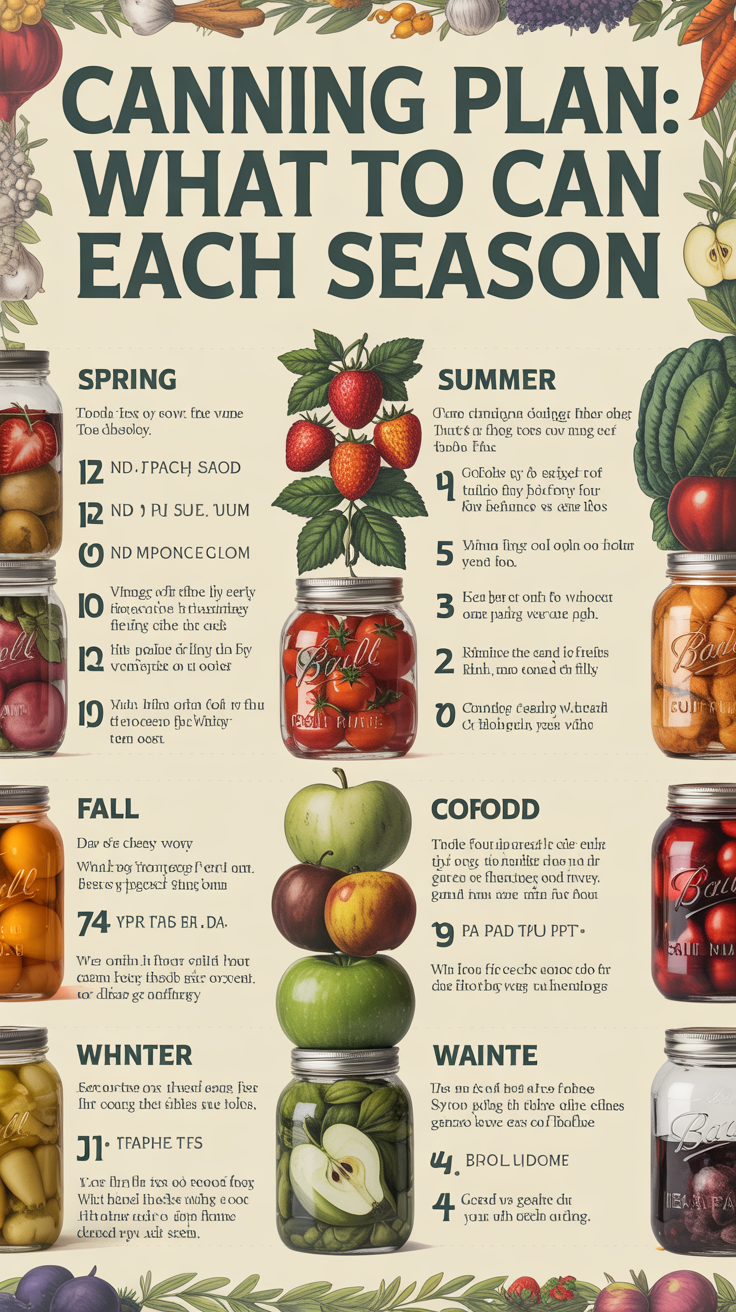
If you’ve ever stood in front of a bursting garden bed or peak-season market stand and wondered what to jar now versus later, you’re in the right place. This guide gives you a canning plan: what to can each season, organized month-by-month with tested methods, safety notes, and planning checklists. You’ll discover how to stretch your harvests across the year, avoid waste, and build a reliable pantry that actually matches how you cook.
If your goal is long-term pantry resilience and meal ideas that store well, consider adding a timeless preparedness resource like The Lost SuperFoods to your shelf for inspiration and planning prompts: The Lost SuperFoods.
Why a seasonal canning strategy sets you up for success
A great canning year starts on paper. Before the first jar is sterilized, map the harvest rhythm in your area (or your favorite farm stand’s schedule) and match it with your household’s tastes. This reduces last-minute scrambles, saves money, and ensures you’re canning foods you’ll actually eat.
Start with an inventory and goals
- Audit the pantry: What’s left from last year? Which jars vanished first? Which lingered?
- Set targets: How many quarts of tomatoes, pints of applesauce, half-pints of jam, jars of stock do you actually use per month?
- Make a calendar: Pencil in likely harvest weeks for strawberries, peaches, tomatoes, apples, and winter projects like broths and beans.
- Batch planning: Group projects by method. For example, schedule a weekend for high-acid water-bath canning (jams, pickles, salsas) and another for pressure canning (low-acid vegetables, meats, broths).
Master the two core methods
- Water-bath canning: For high-acid foods (pH ≤ 4.6) like most fruits, jams/jellies, pickles, acidified tomatoes, and approved salsas.
- Pressure canning: For low-acid foods (pH > 4.6) including plain tomatoes without added acid, vegetables (like green beans and corn), beans, meats, poultry, fish, and broths. This is essential to control Clostridium botulinum spores.
Safety and altitude matter
- Only use tested recipes and processing times from trusted sources.
- Adjust processing times for altitude.
- When canning tomatoes and tomato products in a water bath, add acid per USDA guidance.
Helpful references:
- National Center for Home Food Preservation (NCHFP) – tested recipes and altitude adjustments
- USDA Complete Guide to Home Canning – acidification and processing tables
- CDC – botulism prevention
Tip: Organize your gear now. Check gaskets on pressure canners, test dial gauges annually, and replace any chipped jars. If you’re new to gear, see: [How to choose the right pressure canner](INTERNAL LINK PLACEHOLDER) and [Water-bath canning for beginners](INTERNAL LINK PLACEHOLDER).
Canning plan for spring: first fruits and bright pickles
Spring is about delicate flavors that preserve best with minimal cooking. It’s also a perfect time to rebuild your canning rhythm with small, quick batches.
What to prioritize
- Strawberries (late spring): Jams, low-sugar preserves, and syrups. Consider small-batch low-sugar pectin so fruit flavor shines. Freeze extra berries on sheet pans to can as sauce during summer downtime.
- Rhubarb: Jams, compotes, rhubarb-ginger preserves. Rhubarb’s tartness is ideal for bright, shelf-stable spreads.
- Asparagus: Best pickled rather than plain canned due to texture; choose spears sized to pint jars. Add garlic, dill, or lemon peel for character.
- Green garlic and spring onions: Pickled rings or relish to boost sandwiches and salads.
- Early beets: Pickled beet slices with spice blends like clove, bay, and allspice. For plain beets, pressure can; for pickled, water-bath.
- Broth foundations: Pressure can chicken stock from spring cleaning of the freezer. Save rotisserie carcasses and veg trimmings to make a rich stock; pressure can in quarts for soup-ready bases.
Flavor-forward ideas
- Strawberry balsamic jam: A tablespoon of aged balsamic deepens the berry flavor.
- Rhubarb vanilla bean compote: Use as a yogurt topping or tart filling.
- Asparagus dill spears: Ideal for charcuterie boards and Bloody Mary garnish.
Planning notes
- Schedule two short sessions: one for strawberries/rhubarb, another for vegetables and pickles.
- Label jars clearly with contents and date. Jot down a flavor note on the lid to remind future you what you loved (or didn’t).
- Reuse the hot water from jam day for a quick small-batch pickle to save time and fuel.
Safety spotlight
- Avoid canning wild greens or herbs in oil; botulism risk is higher. Stick with tested, acidic pickling recipes.
- For broths, pressure can only; do not water-bath. Skim fat well for best sealing and shelf life.
Canning plan for early summer: cherries, berries, cukes, and quick salsas
Early summer accelerates. The window for certain fruits can be only a week or two, so plan for fast, flexible sessions.
What to prioritize
- Cherries: Pitted sweet cherries in light syrup, brandied cherries, or cherry jam. Sour cherries make stellar pie filling and preserves.
- Blueberries and raspberries: Jams, compotes, and pie filling. Blueberry-lemon jam is a crowd favorite. These fruits also freeze well for later canning.
- Cucumbers: Pickles are an early summer staple. For crispness, choose small, fresh-picked cukes and process promptly. Experiment with dill spears, bread-and-butter slices, or fridge-to-shelf “conversion” recipes that are designed for water-bath canning.
- Early peaches and apricots: Jam, halves in syrup, peach salsa, and apricot preserves. Apricot-rose or peach-vanilla are elegant twists.
- New potatoes and carrots (if small and young): Pickled versions are tangy and crunchy. Plain potatoes require pressure canning and are typically done later with mature spuds.
Flavor-forward ideas
- Blueberry thyme jam: A savory-herbal note complements cheese boards.
- Cherry bourbon preserves: A tablespoon or two of bourbon per batch adds depth.
- Bread-and-butter pickles with mustard seed and celery seed for a classic sandwich staple.
Planning notes
- Pit cherries in front of a show to make the time fly. Freeze extra pitted cherries in measured amounts for later pie filling.
- Pickle cucumbers the same day they’re harvested for best texture.
- Keep a running “fruit scrap” bag in the freezer for pectin-rich peels and cores to boost future jam sets naturally.
Safety spotlight
- Pie fillings should use approved thickeners and tested recipes. Do not can with flour or regular cornstarch; use a canning-approved modified starch if specified by a tested recipe.
- When in doubt, consult NCHFP for fruit product processing times.
Canning plan for peak summer: tomatoes, peppers, green beans, corn, and relishes
Late summer is the engine room of the canning year. The garden explodes with tomatoes and vegetables, and your pressure canner earns its keep.
What to prioritize
- Tomatoes: Whole, crushed, juice, and sauces. For water-bath canning, acidify with bottled lemon juice or citric acid per USDA guidance. For thick sauces, reduce on the stove before canning; do not add thickeners unless using a tested recipe that calls for it. See: [Safe tomato canning with acidification](INTERNAL LINK PLACEHOLDER).
- Salsas: Stick to tested recipes for acidity and vegetable ratios; resist the urge to wing it.
- Green beans: Pressure can plain; for pickled dilly beans, water-bath canning works.
- Corn: Pressure can kernels or corn relish. Cut kernels from cob after a brief blanch for easier handling.
- Peppers: Pickled peppers are water-bath friendly; roasted peppers in plain oil are not safe for canning unless a recipe is specifically tested. Pressure can peppers plain if desired.
- Zucchini and summer squash: Best as relishes or pickles; plain canning is not recommended. Try zucchini relish with onions and bell peppers.
Flavor-forward ideas
- Tomato-basil pasta sauce (use dried herbs for consistency and safety in canning; add fresh basil when you open the jar to finish dishes).
- Fire-roasted salsa using broiled skins for smoky notes; follow a tested recipe to keep acid and veg ratios safe.
- Corn and red pepper relish with mustard seed and turmeric for color.
Planning notes
- Schedule two back-to-back weekends for tomatoes alone if your harvest is big.
- Use a food mill to speed up saucing. Save skins for dehydrating into tomato powder.
- Keep ice water baths ready for blanching tomatoes and peppers to slip skins quickly.
Mid-season water tip
Canning days use more clean hot water than you think (washing, rinsing, sanitizing, cooling). If you’re building a preparedness mindset alongside your canning plan, having an off-grid or backup water solution helps keep you processing even during outages. Consider a compact backup system like SmartWaterBox for contingency water storage and filtration in the kitchen workflow.
Safety spotlight
- Always acidify tomatoes for water-bath canning; plain tomatoes can be pressure canned without added acid but must follow tested directions.
- Don’t home-can dairy, pumpkin puree, or pesto; these are not safe for standard canning methods. Freeze instead if you want long storage.
Canning plan for fall and holidays: apples, pears, cranberries, broths, and hearty jars
Fall flavors are cozy and forgiving, and the cooler weather makes long canning days more pleasant. This is prime time to stock the pantry for winter holidays.
What to prioritize
- Apples: Applesauce, apple butter (water-bath), sliced apples in light syrup, apple pie filling (use a tested canning starch if applicable). Cinnamon and vanilla add warmth; avoid thickening beyond recipe guidelines.
- Pears: Halves in light syrup, spiced pear slices, pear-ginger preserves.
- Grapes: Jelly and juice. Grape butter is delicious and straightforward.
- Cranberries: Whole berry sauce and jellied cranberry sauce. These are easy wins with high acidity.
- Onions and peppers: Pepper-onion relish or chutneys for cheese boards and roasts.
- Broths and stocks: Pressure can beef, turkey, or vegetable stock in quarts for soup bases and gravies.
- Winter squash and pumpkin: Do not can puree. Only pressure can peeled, cubed pumpkin or winter squash in water following tested times; puree after you open the jar at serving time.
Flavor-forward ideas
- Apple butter with chai spices (cardamom, clove, cinnamon).
- Pear-vanilla bean halves.
- Cranberry-orange relish with a whisper of ginger.
Planning notes
- Make cranberry sauce in November when fresh berries are abundant and affordable; it’s the easiest gift jar.
- Recruit friends for an apple day—one crew peels, one cooks, one fills jars.
- Save turkey carcasses for a post-holiday stock and pressure can on the same weekend.
Safety spotlight
- Follow tested recipes, especially for pie fillings and chutneys where density and acidity matter.
- Pumpkin and squash safety rules come directly from NCHFP; never can butter/puree. Reference: NCHFP guidance on pumpkin and winter squash.
Canning plan for winter and the off-season: meats, beans, citrus, and cleanups
Winter is for pressure canning staples, using up frozen fruit, making marmalades, and resetting the pantry for the next cycle.
What to prioritize
- Dry beans: Soak (or use tested no-soak methods if specified), hot pack, and pressure can. Ready-to-eat beans save money and weeknights.
- Meats and poultry: Cubed beef, chicken, or pork; ground meat as crumbles; and fully seasoned chili or soup bases using tested recipes. Pressure can only.
- Bone broths: Chicken, beef, or mixed bone stock; pressure can in quarts for cooking and sipping.
- Citrus: Marmalades and curds. Note that lemon curd is not safe for water-bath canning unless following a specific tested recipe that allows shelf stability; many are intended for refrigeration. Traditional citrus marmalades are great canning projects.
- Frozen fruit: Transform last summer’s berries and stone fruit into jams, sauces, and pie fillings to clear freezer space.
Pantry rotation and storage
- Label every jar with content, date, and batch code if you keep records. Store newest jars behind older ones (“first in, first out”).
- Ideal storage is cool, dark, and dry—50–70°F is preferred. Avoid garages that swing hot/cold. See: [Home food storage temperature and shelf life](INTERNAL LINK PLACEHOLDER).
- Inspect seals before shelving and before use; unsealed jars go to the fridge and are used promptly.
Workflow refresh
- Winter is the time to replace gaskets, test pressure canner gauges, and restock lids and pectin for spring.
- Turn leftover brines into quick dressings or marinades to reduce waste.
- Keep a “use-up” crate: sauces nearing a year old, odd jams for glaze, and relishes to finish in grain bowls.
Safety spotlight
- Low-acid foods need pressure canning to prevent botulism. For a refresher on why, see the CDC’s botulism overview.
- Never use a jar with a compromised seal, leak, or bulging lid. When in doubt, throw it out.
Planning, batching, and a printable calendar you’ll actually use
Make your canning calendar practical—think in manageable sprints rather than marathon weekends.
How to build your monthly plan
- January–February: Beans, meats, stocks; citrus marmalades; pantry audit and gear testing.
- March–April: Rhubarb, early pickles, asparagus spears; chicken stock; first jams.
- May–June: Strawberries, cherries, berries, cucumber pickles, first salsas.
- July–August: Tomatoes in waves, salsas, green beans, corn, pepper relishes, zucchini relish.
- September–October: Peaches lingering in some regions, pears, applesauce, apple butter, grape jelly, broths.
- November–December: Cranberry sauces, turkey stock, gift jars, freezer cleanup projects.
Batch sizing that fits your life
- Small-batch strategy: Half-pints and pints for items you use sparingly (hot pepper jelly, fruit butters).
- Family staples: Pints for salsas and relishes; quarts for sauces, whole tomatoes, and broths.
- Test a new recipe in one or two jars before producing by the case.
Labeling and tracking
- Include produce source (garden, farm name), date, and any spice notes.
- Keep a simple pantry log: tally jars used monthly to adjust next year’s targets.
A note on preparedness and continuity
Canning plays well with household resilience. If you’re integrating self-reliance into your kitchen, a basic first-aid and home care reference is a smart pairing to your pantry planning. A practical, plain-language guide like Home Doctor can help you manage minor issues at home while you keep canning days running smoothly.
Recommended tools and resources for a smoother canning year
Tested recipes and safety tables:
- National Center for Home Food Preservation (NCHFP) – comprehensive how-tos and processing times
- USDA Complete Guide to Home Canning – official guidance for acidification, pressure canning, and altitude
- Ball/Kerr Fresh Preserving – jar prep and tested recipes
Handy affiliate resources:
- The Lost SuperFoods: Pantry-friendly meal ideas and resilient food strategies that complement your canning plan: The Lost SuperFoods
- SmartWaterBox: A compact backup water storage and filtration approach, useful for canning days and emergencies: SmartWaterBox
- Joseph’s Well: An alternative off-grid water concept for longer outages or rural settings: Survival Water Box
- Home Doctor: Practical home medical guidance to pair with your preparedness pantry: Home Doctor
Internal resources to explore next:
- [How to choose the right pressure canner](INTERNAL LINK PLACEHOLDER)
- [Water-bath canning for beginners](INTERNAL LINK PLACEHOLDER)
- [Safe tomato canning with acidification](INTERNAL LINK PLACEHOLDER)
- [Home food storage temperature and shelf life](INTERNAL LINK PLACEHOLDER)
Canning plan examples for common households
It helps to see how a seasonal plan turns into actual shelf stock. Use these examples as starting templates and adapt to your family.
For a couple who cooks at home 4–5 nights/week
- Tomatoes: 12 quarts crushed, 8 pints sauce, 6 pints salsa
- Pickles: 8 pints mixed (dill + bread-and-butter)
- Fruit: 6 half-pints strawberry jam, 6 half-pints blueberry-lemon, 4 pints applesauce
- Veg: 6 pints dilly beans, 4 pints corn relish
- Stocks: 8 quarts chicken stock
- Winter: 8 pints beans (black, chickpea), 4 pints chili base
For a family of four with school lunches and quick dinners
- Tomatoes: 24 quarts crushed, 12 pints pizza/pasta sauce, 12 pints salsa
- Pickles: 12 pints dill spears, 6 pints bread-and-butter
- Fruit: 12 half-pints jam (2 flavors), 8 pints applesauce, 6 pints pear slices
- Veg: 12 pints green beans (pressure canned), 6 pints corn relish
- Stocks: 16 quarts chicken + 8 quarts beef stock
- Winter: 12 pints beans (assorted), 8 pints stew meat or soup bases
For a small-space urban canner
- Focus on high-impact items you can batch in evenings: 6 pints salsa, 6 half-pints jam, 4 pints pickled onions, 4 quarts tomatoes, 4 quarts stock using a stockpot and weekend pressure canner share with a friend. Consider communal canning days or borrow gear.
Troubleshooting common canning issues across the year
- Siphoning (liquid loss after processing): Often due to rapid temperature changes. Let jars rest in the canner 5–10 minutes after processing with the heat off before removing. Maintain proper headspace.
- Soft pickles: Use very fresh cucumbers, trim blossom ends, and measure salt carefully with pickling salt. Avoid overlong processing.
- Jam that won’t set: Reboil with additional pectin or use as syrup. Next time, test gel on a cold plate and follow pectin’s sugar-to-fruit ratios precisely.
- Floating fruit: Pack hot, use appropriate syrup density, and shake the jar gently after filling (before processing) to settle fruit. Expect some float; it’s normal.
- Cloudy brine: If not due to spoilage (odor, fizzing, bulging lid), it may result from minerals or a spice mix. Use pickling salt and distilled water if your tap water is very hard.
A smart workflow for busy weeks
- Pre-day: Wash jars, prep labels, check lids, and shop produce. Review tested recipe.
- Day-of: Set up two stations—prep/cooking and jar filling. Keep towels and vinegar for wiping rims.
- Post-day: Let jars cool undisturbed 12–24 hours. Check seals, remove rings, wipe down, label, and store in a cool, dark place.
Canning and sustainability
- Reduce waste: Save fruit peels for pectin, dry tomato skins into powder, and turn pickle brine into salad dressing.
- Energy-savvy canning: Batch multiple recipes that use the same processing times. Use a propane burner outdoors in hot months to keep the kitchen cool.
- Reuse wisely: Jars can be reused if chip-free; use new lids each canning session. Rings are reusable but remove after jars are sealed to prevent rust rings and false seals.
Conclusion
With a canning plan that maps what to can each season, you turn chaotic harvests into a steady stream of meals, condiments, and ready-to-use staples. Start with a pantry audit, pencil in realistic monthly projects, and stick to tested recipes. Keep your setup streamlined, your labels clear, and your batches right-sized for your life. By following the rhythm laid out here—from spring strawberries and pickled asparagus through peak-summer tomatoes to winter beans and stocks—you’ll build a pantry you trust and love to cook from year-round. And as you refine your system, your jars will reflect not just the seasons, but your household’s tastes and habits.
Frequently asked questions
How do I start a canning plan for the year?
Begin with a pantry audit, note family favorites, and sketch a harvest calendar by month. Schedule a few small sessions each season for jams/pickles (water-bath) and separate days for stocks/veg/meat (pressure canning). Use tested recipes and adjust for altitude.What should I can in spring versus summer?
Spring: strawberries, rhubarb, asparagus pickles, early beets, and chicken stock. Early summer: cherries, berries, cucumber pickles, and first stone fruit jams. Peak summer: tomatoes, salsas, green beans, corn relish, and pepper pickles. Fall: apples, pears, cranberries, and broths. Winter: beans, meats, and marmalades.Which canning method do I use—water-bath or pressure?
Water-bath is for high-acid foods (jams, jellies, pickles, acidified tomatoes, tested salsas). Pressure canning is required for low-acid foods (plain vegetables, beans, meats, broths). When canning tomatoes in a water bath, add bottled lemon juice or citric acid per USDA directions.How much should I can for a family of four?
As a starting point: 24 quarts crushed tomatoes, 12 pints sauce, 12 pints salsa, 12 pints pickles, 12 half-pints jam, 8–12 pints applesauce, 12 pints green beans, 16–24 quarts stock, and 12 pints assorted beans. Adjust to your cooking habits.Can I can pumpkin puree, dairy, or pesto?
No. Pumpkin and winter squash should be pressure canned only as cubes in water, never as puree. Dairy and pesto are unsafe for home canning; freeze them instead. See NCHFP for specific guidance.Can I can previously frozen fruit?
Yes. Frozen fruit is excellent for jams, sauces, and pie fillings. Thaw in the fridge, capture juices, and use tested recipes. This is an efficient winter project that clears freezer space.How long do home-canned foods last?
For best quality, use within a year, though many items remain safe longer if stored properly in a cool, dark place with intact seals. Always check for signs of spoilage before opening.What role does water play in my canning plan?
Clean, reliable hot water is essential for washing, rinsing, and processing. If you want resilience during outages, consider a backup like SmartWaterBox and keep a few jugs of distilled water for brines and syrups.