
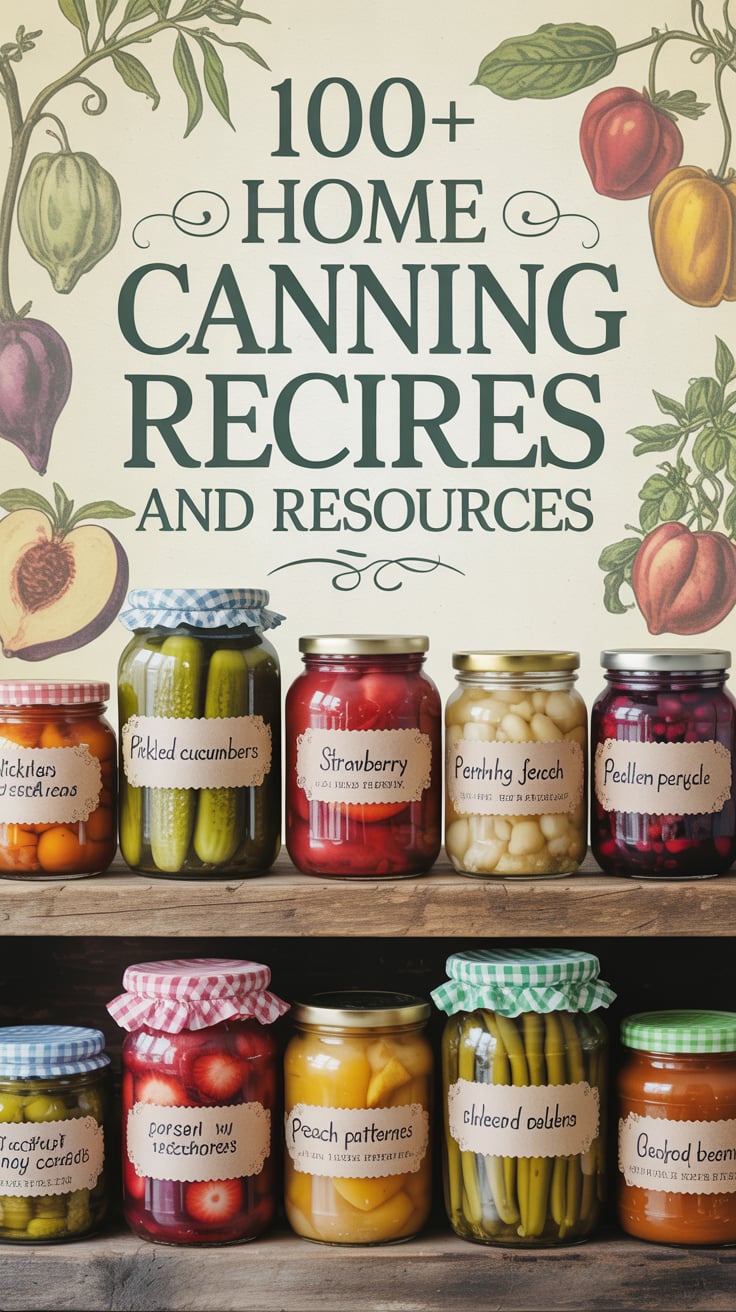
If you’re building a resilient pantry or simply savoring seasonal abundance, this complete guide to 100+ home canning recipes and resources brings safety-first instruction, a massive recipe index, and pro workflow tips together in one place. Whether you’re new to water bath and pressure canning or leveling up for a homestead-scale pantry, you’ll find reliable processes, clear organization, and year-round ideas you can trust.
Optional resource if you want a printed-style companion with preparedness-focused recipes: The Lost SuperFoods.
Canning foundations for safe, shelf-stable food
Great canning starts with safety and method. Follow tested processes, use the right technique for the food’s acidity, and keep your equipment in good working order. Prioritize credible sources, process for your altitude, and don’t alter core ratios in tested recipes.
Methods, pH, and botulism prevention
- The core rule: water bath canning is for high-acid foods (pH ≤ 4.6), like most fruit jams, jellies, and properly acidified pickles and tomatoes. Pressure canning is required for low-acid foods (pH > 4.6), like plain vegetables, beans, meats, and most soups.
- Botulism prevention: Clostridium botulinum spores are in soil and can thrive in low-acid, anaerobic environments. Acidification, heat processing, and correct time/pressure kill or control them.
- Do not “open-kettle” can or rely on inversion-only seals. Always finish in a boiling-water canner or pressure canner.
- Avoid untested recipe improvisation. Keep vinegar strength, salt in pickles, and acidification of tomatoes as specified.
Essential gear and jar prep
- Equipment: water bath canner or deep stockpot with rack, pressure canner (for low-acid foods), new lids with screw bands, canning funnel, bubble-remover/headspace tool, jar lifter, towels, and a timer.
- Jar prep: Wash jars, lids, and bands in hot, soapy water. Keep jars hot until filling. Modern lids typically do not require pre-boiling; follow manufacturer guidance.
- Headspace: Common ranges are 1/4 inch for jams/jellies, 1/2 inch for fruits/pickles/tomato sauces, and 1–1 1/4 inches for low-acid pressure-canned foods. Always check a tested recipe.
Processing times, altitude, and headspace
- Venting matters: For pressure canning, vent a steady column of steam for 10 minutes before pressurizing to purge air.
- Altitude adjustments: Increase processing time for water bath canning or increase pressure for pressure canning as elevation rises.
- Reliable references you should bookmark:
- National Center for Home Food Preservation (University of Georgia): https://nchfp.uga.edu/
- USDA Complete Guide to Home Canning: https://nchfp.uga.edu/publications/publications_usda.html
- CDC Botulism Guidance: https://www.cdc.gov/botulism/index.html
- Ball/Kerr Canning Resources: https://www.ballmasonjars.com/
100+ home canning recipes and resources: fruit-forward preserves
Fruit preserves are the gateway to safe canning. They’re high-acid, colorful, and versatile. Use tested pectin ratios, measure sugar accurately (or use low/no-sugar pectin), and follow headspace guidance for reliable sets.
Jams, jellies, marmalades, and butters
- Strawberry jam (classic)
- Low-sugar strawberry jam (with appropriate pectin)
- Strawberry-rhubarb jam
- Raspberry jam
- Blackberry jam
- Mixed berry jam
- Blueberry-lemon jam
- Peach jam
- Nectarine-vanilla jam
- Apricot jam
- Cherry jam
- Plum jam
- Pear-ginger jam
- Apple pie jam
- Rhubarb-ginger jam
- Hot pepper jelly
- Strawberry jalapeño jam
- Grape jelly (from juice)
- Apple jelly (from peels/cores)
- Cranberry jelly
- Pomegranate jelly
- Orange marmalade (thin-shred)
- Seville orange marmalade (bitter-style)
- Lemon marmalade
- Grapefruit marmalade
- Three-citrus marmalade
- Apple butter (spiced)
- Pumpkin butter for the fridge/freezer only (not shelf-stable by canning)
- Pear butter
- Peach butter
- Banana jam for the fridge or pressure-canned banana butter only if a tested recipe exists (follow tested guidance)
- Fig jam with lemon
- Kiwi-lime jam
- Mango-ginger jam
- Pineapple jam (acidified)
- Persimmon jam (with lemon)
- Chokecherry jelly
- Elderberry jelly
Syrups, pie fillings, and fruit in light syrup
- Blueberry syrup
- Strawberry syrup
- Apple cinnamon syrup
- Peach syrup
- Maple-vanilla pear syrup
- Cherry pie filling (use clear gel per tested recipes)
- Apple pie filling (clear gel)
- Peach pie filling (clear gel)
- Pumpkin pie filling is not recommended for canning; freeze for safety
- Pear halves in light syrup
- Peach slices in light syrup
- Apricot halves in light syrup
- Cherries in syrup
- Pineapple in syrup (properly acidified)
- Applesauce (classic)
- Unsweetened applesauce
- Cinnamon applesauce
- Chunky spiced apples
- Pear sauce
- Cranberry sauce (whole berry)
- Cran-apple compote
- Fruit cocktail (tested recipe only)
Tomato canning recipes, sauces, and salsas
Tomatoes straddle the acidity line; always acidify with bottled lemon juice or citric acid according to tested instructions, and follow the specified process time.
Classic sauces and global flavors
- Crushed tomatoes (acidified)
- Whole peeled tomatoes (acidified)
- Diced tomatoes (acidified)
- Tomato juice (acidified)
- Roasted tomato sauce (acidified)
- Basic marinara
- Basil-garlic pasta sauce (follow tested recipe; garlic impacts acidity)
- Spicy arrabbiata sauce (tested)
- Tomato-basil soup base (pressure canning only if a tested recipe; many creamy soups are not canning-safe)
- Tomato paste base (tested)
- Pizza sauce (tested acidification)
- Herb tomato sauce with citric acid
- Fire-roasted tomato chunks (acidified)
- Tomato-vegetable blend (pressure canning with tested recipe)
Salsas and tomato condiments
- Classic red salsa (tested, with safe vinegar ratio)
- Salsa roja with roasted chiles (tested)
- Salsa verde (tomatillo)
- Peach salsa
- Pineapple salsa
- Mango salsa
- Black bean and corn salsa (pressure canning only if tested; many versions are not water bath-safe)
- Tomato chutney
- Ketchup (spiced)
- Tomato jam (sweet-savory)
- BBQ sauce (tomato-based, tested)
- Bloody Mary mix base (tested)
- Taco sauce (tested)
- Enchilada sauce (tested)
Pickles, relishes, and chutneys for a crunchy pantry
Crispness comes from firm produce, proper brine, quick processing, and calcium chloride where allowed in tested recipes. Use 5% vinegar unless a recipe specifies otherwise.
Cucumber pickles done right
- Classic dill pickle spears
- Whole garlic dills
- Sandwich slices (chips)
- Bread-and-butter pickles
- Sweet gherkins
- Kosher-style dill pickles (processed)
- Refrigerator-only half-sours (not shelf-stable)
- Polish dill pickles
- Spicy habanero dills
- Mustard pickles
- Lemon-dill pickles
- Curry pickles
- Pickled cucumber relish base
Relishes, chowchows, and chutneys
- Sweet pickle relish
- Dill relish
- Corn relish
- Zucchini relish
- Green tomato relish
- Chowchow (green tomato/cabbage blend)
- Piccalilli
- Hot dog relish
- Onion relish
- Pepper-onion relish
- Pickled red onions
- Pickled pearl onions
- Pickled beets
- Beet and onion pickle
- Pickled carrots (coins or sticks)
- Pickled jalapeños
- Pickled banana peppers
- Pickled pepper mix (Italian-style)
- Pickled okra
- Pickled green beans (dilly beans)
- Pickled asparagus
- Pickled cauliflower (giardiniera vinegar-canned version)
- Apple chutney
- Mango chutney
- Tomato-apple chutney
- Cranberry-pear chutney
- Peach chutney
Pressure-canned vegetables, beans, soups, and meats
Low-acid foods require pressure canning with the correct time, pressure, and jar size. Never add dairy, flour, or thickeners before canning; add them when serving.
Low-acid vegetables and legumes
- Green beans (pressure canned)
- Carrots
- Potatoes (in water; no mashed potatoes)
- Sweet potatoes (cubes)
- Beets (pressure can plain; vinegar versions may be water-bathed)
- Corn (whole kernel)
- Mixed vegetables (tested)
- Winter squash cubes (some varieties allowed; puree is not canning-safe)
- Pumpkin cubes (not puree)
- Mushrooms (tested)
- Okra (plain pressure canned)
- Dry beans (soaked and hot-packed)
- Chickpeas (garbanzos)
- Black beans
- Pinto beans
- Kidney beans
- Lentils
- Split peas (consult tested guidance; puree consistency matters)
Stocks, soups, stews, and protein
- Chicken stock/broth (no thickeners)
- Beef stock/broth
- Turkey stock/broth
- Vegetable stock
- Bone broth (follow tested timing)
- Plain meats: chicken, beef, pork (cubed), venison (tested)
- Fish (tested varieties only; follow strict guidance)
- Chili (no thickeners; tested)
- Bean soup base (no dairy)
- Vegetable soup (tested recipe)
- Chicken soup base (no noodles/rice)
- Beef stew base (no flour thickeners)
- Taco meat base (tested)
- Sloppy joe base (no thickeners)
- Pulled pork base (broth or sauce with tested acidity if water bath; pressure can plain)
- Sausage crumbles (degreased; tested)
- Ham and bean soup (tested)
Pantry planning, batch workflows, and seasonal strategies
You’ll maintain quality and avoid waste when you align your recipes with seasons and create repeatable workflows. Plan jar sizes around typical meal usage, and keep a running inventory to guide your next batch.
Labeling, storage, and rotation
- Label each jar with product, batch date, and optional lot code. Use a fine-tip paint marker or dissolvable labels.
- Storage targets: cool, dark, and dry. Avoid direct sunlight and temperature swings.
- Rotation: First in, first out (FIFO). Create a shelf map and track quantities with a simple spreadsheet or pantry app.
- Open-jar life: Most opened high-acid products keep a few weeks refrigerated; low-acid meats/soups typically 3–4 days refrigerated. Always rely on sensory checks and safe handling.
- Internal how-tos you might add to your site:
- [How to sterilize and prepare jars efficiently](INTERNAL LINK PLACEHOLDER)
- [Beginner’s guide to pressure canning](INTERNAL LINK PLACEHOLDER)
- [Easy water bath canning for weekend batches](INTERNAL LINK PLACEHOLDER)
Water quality, brines, and mineral management
- Use potable water for brines and canning. High mineral content can cause cloudiness in pickles or mineral film on jars. If your tap water is very hard, consider filtering or using bottled water for brines and canner load water.
- For consistent pickle texture, measure salt by weight when possible and stick to pickling/canning salt to avoid anti-caking agents.
- Mid-content optional resource: SmartWaterBox can help ensure a clean water supply for brining and general preparedness.
Troubleshooting and pro tips for consistent results
Even experienced canners face the occasional seal failure or textural surprise. A troubleshooting mindset saves food and frustration.
Seal failures, siphoning, and cloudiness
- Seal checks: After 12–24 hours, lids should be concave, and bands can be removed to test the seal. Any unsealed jar goes to the fridge for prompt use.
- Siphoning (liquid loss): Common causes include inadequate venting in pressure canning, rapid pressure changes, overfilling jars, or food still boiling when jars are removed. Allow canners to depressurize naturally.
- Cloudy brine: Often due to minerals in water or certain spices. If slime or off-odors develop, discard the product.
- Reprocessing: Some products can be reprocessed within a short window if a seal fails; check a tested reference for timing and whether quality justifies reprocessing.
Texture, color, and flavor preservation
- Firm pickles: Start with fresh, small, firm cucumbers; trim blossom ends; consider calcium chloride if a tested recipe allows.
- Bright fruit color: Use ascorbic acid or lemon juice dips for light-colored fruits; minimize oxygen exposure; process promptly.
- Flavor balance: Stick to tested acid/salt ratios; add heat and spices conservatively; remember processing intensifies flavors.
- Jar choice: Smaller jars can help preserve texture in pickles and relishes; larger jars suit broths and tomatoes.
- Sensible health backstop: If you ever suspect foodborne illness, seek professional care. A general home reference like Home Doctor can be useful to keep on hand, but it is not a substitute for medical advice or emergency services.
Recommended resources and next steps
- Bookmark these reliable references:
- National Center for Home Food Preservation (step-by-step, tested recipes): https://nchfp.uga.edu/
- USDA Complete Guide to Home Canning (free, authoritative): https://nchfp.uga.edu/publications/publications_usda.html
- CDC Botulism Guidance (symptoms and prevention): https://www.cdc.gov/botulism/index.html
- Ball/Kerr Canning Resources (manufacturer best practices): https://www.ballmasonjars.com/
- Optional prepper-friendly companion for pantry building: The Lost SuperFoods.
- Add these internal guides to your site for depth:
- [Canning altitude and pressure adjustment chart](INTERNAL LINK PLACEHOLDER)
- [Safe low-sugar jam techniques](INTERNAL LINK PLACEHOLDER)
Focused index: 100+ home canning recipes at a glance
Use this quick index to plan your season and check off your pantry goals:
- Fruits and preserves (38)
- Strawberry jam 2) Low-sugar strawberry 3) Strawberry-rhubarb 4) Raspberry 5) Blackberry 6) Mixed berry 7) Blueberry-lemon 8) Peach 9) Nectarine-vanilla 10) Apricot 11) Cherry 12) Plum 13) Pear-ginger 14) Apple pie jam 15) Rhubarb-ginger 16) Hot pepper jelly 17) Strawberry jalapeño 18) Grape jelly 19) Apple jelly 20) Cranberry jelly 21) Pomegranate jelly 22) Orange marmalade 23) Seville marmalade 24) Lemon marmalade 25) Grapefruit marmalade 26) Three-citrus 27) Apple butter 28) Pear butter 29) Fig jam 30) Kiwi-lime 31) Mango-ginger 32) Pineapple jam 33) Persimmon jam 34) Chokecherry jelly 35) Elderberry jelly 36) Blueberry syrup 37) Strawberry syrup 38) Apple cinnamon syrup
- Pie fillings and fruit in syrup (14)
- Cherry pie filling 40) Apple pie filling 41) Peach pie filling 42) Pear halves in light syrup 43) Peach slices in light syrup 44) Apricot halves 45) Cherries in syrup 46) Pineapple in syrup 47) Applesauce 48) Unsweetened applesauce 49) Cinnamon applesauce 50) Chunky spiced apples 51) Pear sauce 52) Cranberry sauce
- Tomato sauces and bases (13)
- Crushed tomatoes 54) Whole peeled tomatoes 55) Diced tomatoes 56) Tomato juice 57) Roasted tomato sauce 58) Basic marinara 59) Basil-garlic pasta sauce 60) Arrabbiata 61) Tomato-basil soup base 62) Pizza sauce 63) Tomato paste base 64) Herb tomato sauce (citric acid) 65) Fire-roasted tomato chunks
- Salsas and tomato condiments (12)
- Classic red salsa 67) Roasted salsa roja 68) Salsa verde 69) Peach salsa 70) Pineapple salsa 71) Mango salsa 72) Tomato chutney 73) Ketchup 74) Tomato jam 75) BBQ sauce 76) Bloody Mary mix 77) Taco sauce
- Pickles (15)
- Dill spears 79) Whole garlic dills 80) Sandwich chips 81) Bread-and-butter 82) Sweet gherkins 83) Polish dill 84) Spicy habanero dills 85) Mustard pickles 86) Lemon-dill 87) Curry pickles 88) Kosher-style (processed) 89) Pickled beets 90) Pickled carrots 91) Pickled jalapeños 92) Dilly beans
- Relishes, chowchows, chutneys (15)
- Sweet relish 94) Dill relish 95) Corn relish 96) Zucchini relish 97) Green tomato relish 98) Chowchow 99) Piccalilli 100) Hot dog relish 101) Onion relish 102) Pepper-onion relish 103) Pickled red onions 104) Pickled pearl onions 105) Giardiniera-style vinegar canning 106) Apple chutney 107) Mango chutney
- Pressure-canned vegetables and legumes (16)
- Green beans 109) Carrots 110) Potatoes 111) Sweet potatoes 112) Beets (plain) 113) Corn 114) Mixed vegetables 115) Winter squash cubes 116) Pumpkin cubes 117) Mushrooms 118) Okra (plain) 119) Dry beans 120) Chickpeas 121) Black beans 122) Pinto beans 123) Kidney beans
- Stocks, soups, meats (12)
- Chicken stock 125) Beef stock 126) Turkey stock 127) Vegetable stock 128) Bone broth 129) Chicken (cubed) 130) Beef (cubed) 131) Pork (cubed) 132) Venison (tested) 133) Chili (tested) 134) Bean soup base 135) Vegetable soup (tested)
Call-to-action for pantry builders
If you want a printable-style roadmap of sturdy, long-lasting pantry recipes with a preparedness tilt to complement your canning, consider The Lost SuperFoods for additional inspiration alongside the USDA and NCHFP references above.
Recommended products to support your canning goals
- The Lost SuperFoods: A preparedness-oriented companion with pantry-building ideas that pair well with canning sessions.
Link: The Lost SuperFoods - SmartWaterBox: Helps ensure clean water availability for brines, jar rinsing, and general preparedness.
Link: SmartWaterBox - Home Doctor: A practical home reference that can help you think through general wellness and food safety concerns. Not medical advice; consult professionals as needed.
Link: Home Doctor
Conclusion
This master list of 100+ home canning recipes and resources is your launchpad to a safe, efficient, and satisfying pantry. Use tested methods, mind pH and altitude, and keep clean, organized workflows. From bright fruit preserves to hearty pressure-canned stocks and proteins, you can build meal-ready shelves that support everyday cooking and long-term resilience—one safe jar at a time.
FAQ
What’s the difference between water bath and pressure canning?
Water bath canning is for high-acid foods (jams, jellies, pickles, acidified tomatoes). Pressure canning is required for low-acid foods (vegetables, beans, meats, most soups). Always follow tested recipes and adjust for altitude.How do I prevent botulism in home canning?
Use a tested recipe, follow correct process times, and use water bath canning for high-acid foods and pressure canning for low-acid foods. Acidify tomatoes as directed. Never shortcut processing or “open-kettle” can.Can I reduce sugar in jam?
Yes, if you use a low- or no-sugar pectin designed for that purpose and follow tested ratios. Reducing sugar in a standard jam recipe may prevent proper set and can affect safety in some products.How much headspace should I leave?
Typical headspace is 1/4 inch for jams/jellies, 1/2 inch for fruits, pickles, and many tomato products, and 1–1 1/4 inches for pressure-canned low-acid foods. Check the tested recipe.Do I need to acidify tomatoes?
Yes. Add bottled lemon juice or citric acid per tested instructions even for modern tomato varieties. Acidification plus proper processing ensures safety.Why did my jars siphon liquid during pressure canning?
Likely causes include incomplete venting before pressurizing, aggressive heat changes, overfilling, or removing jars while contents are still vigorously boiling. Allow natural cool-down and follow venting steps.Can I reuse jars, lids, and bands?
You can reuse glass jars and bands in good condition. Do not reuse canning lids; use new lids each time for a reliable seal. Inspect jars for chips and bands for rust.How long do home-canned foods last?
Quality is best within a year, though safely canned, sealed products may last longer. Store jars in a cool, dark, dry place and rotate FIFO. Discard any jar with a failed seal, off odors, spurting, or mold.