
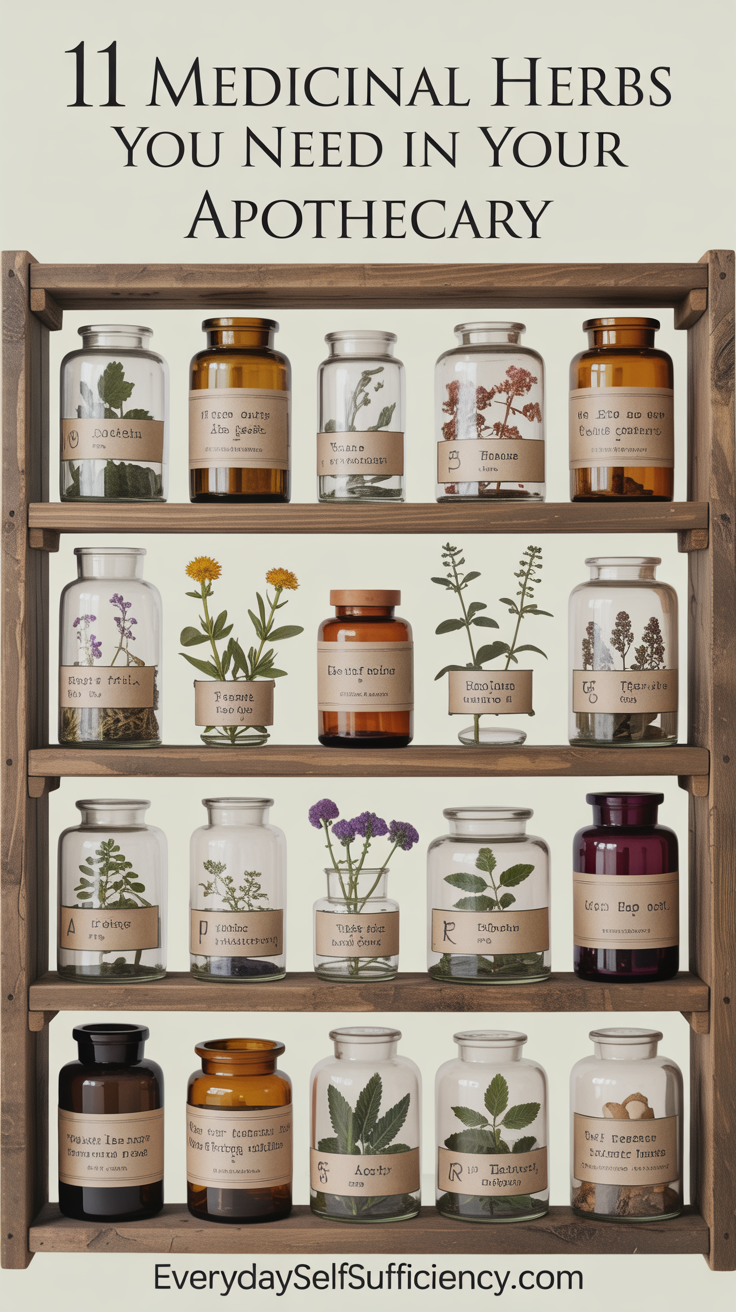
Building a home apothecary doesn’t have to be complicated. With a handful of reliable, time-tested herbs and a few simple preparations, you can address everyday issues like stress, indigestion, minor cuts, and seasonal sniffles. This guide covers 11 medicinal herbs you need in your apothecary, with practical ways to use them safely, plus recipes and storage tips for a well-stocked, effective home remedy shelf. For in-depth, at-home care guidance that pairs well with these herbs, keep a reference such as the Home Doctor on hand.
Note: Herbal remedies can complement—not replace—professional medical care. If you are pregnant, nursing, on medications, or managing a condition, consult a qualified healthcare provider.
Foundations of a safe and effective home apothecary
A strong apothecary starts with clarity on goals, gear, and safety. Think of your shelves as a small clinic: organized, labeled, fresh, and designed around your family’s needs.
- Define your use-cases. Most home herbalists focus on common needs: stress and sleep support, digestive ease, immune and respiratory support, and first-aid for skin.
- Source with care. Buy organic, lab-tested dried herbs from reputable suppliers, or grow your own. Freshness matters—vibrant color and aroma indicate quality.
- Essential equipment. Keep jars (amber glass ideal), muslin or cheesecloth, a digital scale, measuring spoons, a small kitchen scale, a funnel, labels, and a dark cupboard.
- Core preparations. Learn to make water infusions (teas), decoctions (simmered roots/barks), tinctures (alcohol or glycerin extracts), salves and balms (oil + beeswax), and syrups (herbal infusions preserved with honey).
- Label every jar. Include plant name (common and Latin), part used, date, and source. For tinctures, note the solvent and ratio if you track that.
- Storage and shelf life. Dried leaves/flowers: 1 year; roots/barks: up to 2 years; tinctures: 3–5+ years; salves/syrups: 6–12 months when stored cool and dark. Discard if musty, faded, or off-smelling.
- Safety baseline. Avoid internal use of essential oils. Review potential drug–herb interactions, allergies (especially to the daisy family), and age-appropriate dosing. Keep dosage notes on your labels for quick reference.
Internal reading you might add to your apothecary shelf: [Beginner’s guide to tinctures](INTERNAL LINK PLACEHOLDER) and [What to store in amber glass vs. clear jars](INTERNAL LINK PLACEHOLDER). For clinical monographs, see the National Center for Complementary and Integrative Health and MedlinePlus (sources linked below).
Calming and sleep-support herbs for everyday stress relief
Modern life makes a strong case for gentle, non-habit-forming calmatives. Three standout herbs help the body downshift without grogginess: chamomile, lemon balm, and lavender. Together, they cover daytime nerves, evening wind-down, and occasional sleeplessness.
Chamomile (Matricaria chamomilla)
Beloved for a reason, chamomile supports relaxation, digestion, and sleep readiness. The flowers contain apigenin and other flavonoids that promote calm. Use cases:
- Sip as a warm tea after dinner to ease tension and support digestion.
- Apply cooled tea bags as soothing compresses for puffy eyes or minor skin irritation.
- Combine with lavender in a bedtime blend for a gentle nudge into sleep.
Preparation: 1–2 teaspoons dried flowers per cup hot water; cover 10 minutes. As a glycerite or tincture, it’s portable for on-the-go nerves. Note: Allergies are possible for those sensitive to the Asteraceae (daisy) family.
Lemon balm (Melissa officinalis)
Bright, lemony, and uplifting, lemon balm is a mood-soothing powerhouse. It eases nervous stomachs, calms tension headaches, and supports a restful mental state. Try:
- Cold-brewed infusion for daytime calm without drowsiness.
- Syrup with honey and a squeeze of lemon for kids and adults alike.
- Blended with peppermint for a calm, clear-headed focus tea.
Preparation: 1–2 teaspoons dried leaf per cup; steep 10–15 minutes. Fresh leaves make vibrant glycerites. While generally gentle, very high doses may be cautioned in some thyroid conditions—consult a professional if needed.
Lavender (Lavandula angustifolia)
Lavender is both aromatic and medicinal, touching mood, digestion, and skin care. Its linalool-rich profile soothes the nervous system and can ease tension and mild insomnia.
- Bedtime tea with chamomile.
- Topical oil or salve for dry, irritated patches.
- Steam inhalation for stress release: a handful of flowers in a bowl of hot water; inhale the steam.
Preparation: Tea can be strong, so use 1 teaspoon flowers per cup. For topical use, craft an infused oil and turn it into a balm.
Evidence snapshot: See overviews on chamomile, lemon balm, and lavender at the National Center for Complementary and Integrative Health (NCCIH) for safety and use considerations.
Immune and respiratory allies for seasonal support
When cold winds and crowded spaces raise the risk of seasonal ills, these three herbs are classic allies: echinacea, elderberry, and thyme. Each offers a distinct role—front-line activation, viral-season comfort, and clear-breathing support.
Echinacea (Echinacea purpurea)
Used at first sign, echinacea may support the body’s initial immune response. Many herbalists use short, frequent doses for a few days when exposure is high.
- Tincture is the preferred form: easy to dose, shelf-stable, and fast-acting.
- Consider a “pulse” approach: small, frequent servings during the first 48–72 hours.
Preparation: Tincture of root and/or aerial parts is common. Note: Potential allergies for those with Asteraceae sensitivity. Review current guidance via NCCIH and discuss with your clinician if you’re immunocompromised.
Elderberry (Sambucus nigra)
Elderberry is a classic for making syrups that families actually enjoy. It’s often used for seasonal wellness and throat comfort.
- Syrup with cinnamon and ginger is a winter staple.
- Tea from dried berries adds warmth and hydration.
- Pair with thyme for a “comfort duo” when the throat and chest need gentle care.
Preparation: Always use cooked, ripe berries; raw berries and other plant parts can be problematic. For syrup, simmer berries with water and spices, strain, and preserve with honey.
Thyme (Thymus vulgaris)
A kitchen staple with medicinal strength, thyme’s aromatic compounds support clear breathing and a comfortable throat.
- Strong tea or steam inhalation for stuffy days.
- Honey-thyme syrup for a soothing throat coat.
- Combine with elderberry in a winter cordial.
Preparation: 1–2 teaspoons dried leaf per cup; steep 10–15 minutes. For steam inhalation, pour boiling water over a spoon of thyme in a bowl, cover your head with a towel, and breathe deeply for 3–5 minutes.
For home pantry synergy (and recipes that pair well with herbal syrups), many homesteaders also keep nutrient-dense staples; resources like The Lost SuperFoods can help you plan cold-season stores that complement a functional apothecary.
Digestive comfort and gut-soothing standbys
From heavy meals to nervous stomachs, a few herbs can bring quick relief and support long-term digestive comfort. Peppermint, ginger, and fennel are versatile, delicious, and safe for most adults.
Peppermint (Mentha x piperita)
Peppermint is cooling and carminative—meaning it helps relieve gas and ease spasms.
- After-meal tea for bloating or sluggishness.
- Cold-brewed for heat relief in summer.
- Combined with lemon balm for calm, clear focus when stress hits the gut.
Preparation: 1–2 teaspoons dried leaf per cup; 10-minute covered steep. Enteric-coated peppermint capsules are used in some contexts for IBS; ask a professional for personalized advice.
Ginger (Zingiber officinale)
Ginger brings warmth, circulation, and anti-nausea benefits. It’s a go-to for travel queasiness, motion discomfort, and cold-day digestion.
- Simmered decoction with lemon and honey.
- Powdered ginger added to broths and soups when appetite is low.
- Pair with elderberry in winter or with fennel for sluggish digestion.
Preparation: For decoctions, slice fresh root or use 1 teaspoon dried chopped root per cup; simmer 10–15 minutes. If taking regularly alongside anticoagulant medication, ask a clinician about interactions.
Fennel (Foeniculum vulgare)
A gentle carminative often used for gas and colicky discomfort; it’s a soothing option for adults and, in carefully prepared low-strength teas, sometimes used traditionally for infants (always consult a pediatric professional).
- Toasted seeds chewed after meals.
- Tea with peppermint for a balanced hot/cold combo.
- Syrup with lemon balm for a calm belly.
Preparation: Lightly crush 1–2 teaspoons seeds; steep 10 minutes. Fennel’s sweet flavor blends well with other digestive allies.
For deeper dives into digestive support, see MedlinePlus and NCCIH entries on peppermint and ginger. Also consider building supporting habits like mindful eating and herbal bitters before meals: [How to make herbal bitters at home](INTERNAL LINK PLACEHOLDER).
Skin, first-aid, and topical care essentials
Minor cuts, scrapes, rashes, and dry patches are everyday occurrences. Calendula and plantain are two gentle botanicals that make your first-aid shelf far more capable.
Calendula (Calendula officinalis)
Calendula flowers are famous for skin support. Traditionally used for minor wounds, dry or chapped skin, and gentle daily care.
- Infused oil: slow-macerate dried petals in olive oil for 4–6 weeks, then strain.
- Salve: combine infused oil with beeswax for a protective balm.
- Compress: strong tea applied to clean cloth for a soothing wash.
Preparation: Use dried flowers to avoid mold in oils. For salve, typical ratios are 1 cup infused oil to 1 ounce beeswax. Patch-test new products and avoid applying to deep or infected wounds.
Plantain leaf (Plantago major or P. lanceolata)
A backyard “weed” with big benefits, plantain is known for drawing properties and soothing itchy, irritated, or inflamed skin.
- Fresh-leaf spit poultice in the field for bug bites.
- Oil infusion for salves that calm cracked, irritated skin.
- Strong tea as a wash for minor abrasions.
Preparation: Dry leaves for oil infusions; fresh leaves work for quick poultices. Keep a small tin of plantain salve in your day pack.
Optional additions: Yarrow for nosebleeds (topical only), comfrey for topical support on clean, closed skin. Familiarize yourself with safe, appropriate topical use and always clean wounds thoroughly.
Evidence and safety: Review calendula and topical herb guidance via authoritative sources like Mount Sinai’s Herbal Medicine monographs and NCCIH. When in doubt—or dealing with worsening symptoms—seek clinical care.
Practical preparations: teas, tinctures, syrups, and salves
Turn your dried herbs into potent, easy-to-use remedies with these core preparations. Use clean tools, label every batch, and keep notes so your best formulas are repeatable.
- Infusions (teas). Best for leaves and flowers (chamomile, lemon balm, peppermint, lavender, thyme). Typical ratio: 1–2 teaspoons dried herb per cup hot water; cover 10–15 minutes; strain. For stronger medicinal infusions, use 1 tablespoon per cup and extend to 20–30 minutes (taste for bitterness).
- Decoctions. Best for tougher materials (ginger root, dried berries before syrups). Simmer 10–20 minutes. Combine decoctions (ginger) with infusions (thyme) after simmering for layered formulas.
- Tinctures. Alcohol or glycerin extracts concentrate active constituents and extend shelf life. Start with 1:5 herb-to-solvent by weight (e.g., 20 g herb to 100 mL 40–60% alcohol). Store in amber bottles with dropper tops.
- Syrups. Combine strong tea or decoction (elderberry, thyme, ginger) with equal parts honey for a soothing, shelf-stable syrup. Refrigerate and use within several weeks.
- Salves. Warm 1 cup infused oil (calendula, plantain, lavender) with 1 ounce beeswax until melted; pour into tins. Add a few drops of vitamin E oil to slow oxidation.
Quality of water matters in teas and syrups. If water safety is a concern where you live, consider a compact, reliable solution like the New Water Offer: SmartWaterBox to keep your apothecary preparations consistent and safe.
For home care protocols and triage tips that pair with your herbal kit, a layperson’s medical field guide such as the Home Doctor is a practical addition to your shelf, offering step-by-step instructions when professional help is delayed.
The 11 herbs, at a glance: selection, dosing notes, and pairings
Here’s a concise roundup you can screenshot and tape to your cabinet door. Always start with the lowest effective amount and adjust gradually.
- Chamomile: Bedtime calm; nervous digestion. Tea or glycerite. Pairs with lavender.
- Lemon balm: Daytime calm; uplift; nervous stomach. Tea, syrup. Pairs with peppermint.
- Lavender: Mood support; gentle topical care. Tea, infused oil, salve. Pairs with chamomile.
- Echinacea: Short-term, first-sign immune activation. Tincture. Pairs with thyme.
- Elderberry: Seasonal comfort and throat support. Syrup, tea. Pairs with ginger.
- Thyme: Throat and respiratory comfort; steam. Tea, syrup. Pairs with elderberry.
- Peppermint: Gas and cramping relief; cooling. Tea. Pairs with lemon balm or fennel.
- Ginger: Warmth, circulation, nausea support. Decoction, syrup. Pairs with elderberry.
- Fennel seed: Gas, digestive ease; sweet flavor. Tea, chew seeds. Pairs with peppermint.
- Calendula: Topical skin support; gentle wash. Infused oil, salve, compress.
- Plantain leaf: Soothing “drawing” herb for bites/itch. Poultice, infused oil, salve.
Stocking plan: buy 4–8 ounces each of leaves/flowers you use often; 8–16 ounces of berries and roots for decoctions and syrups. Rotate and refresh seasonally. Keep a usage log so you know what to reorder before flu season and allergy spikes: [How to build a rotating herbal inventory](INTERNAL LINK PLACEHOLDER).
For shelf-life and safety data, cross-check MedlinePlus Herbal Supplements and NCCIH’s herb profiles:
- NCCIH: Herbs at a Glance
- MedlinePlus: Herbal Supplements
- Mount Sinai: Herbal Medicine Monographs
- PubMed reviews on peppermint, ginger, and elderberry
Growing, sourcing, and sustainability for a resilient apothecary
A home apothecary is more than jars; it’s a system. The more you can grow, ethically wildcraft, or buy in bulk with friends, the more resilient (and affordable) your setup becomes.
- Start with easy growers. Lemon balm, calendula, peppermint, and lavender thrive in many backyards and are forgiving for beginners. Thyme loves sun and good drainage. Plantain often volunteers itself—learn to identify it correctly.
- Harvest timing. Leaves before flowering (peppermint, lemon balm); flowers at peak bloom (calendula, chamomile, lavender); berries fully ripe (elderberry); roots after frosts (echinacea, ginger in warm climates or containers).
- Drying and storage. Use screens or dehydrators at low temps (95–110°F). Dry until crisp, then store in airtight jars away from light and heat. Label with date and location.
- Ethical wildcrafting. Harvest only from clean, unsprayed areas; positively identify plants; take small amounts; and respect local regulations. If in doubt, don’t harvest.
- Community and bulk buys. Join a CSA, herbal club, or co-op to split costs on pounds of high-quality herbs, jars, and beeswax.
- Build redundancy. If your apothecary supports preparedness goals, stock spare droppers, lids, and filters, and keep backup water and heat sources for decoctions. For broader urban readiness—mapping safe gathering spots, improvising tools, and staying resourceful—programs like New Survival Offer: URBAN Survival Code focus on practical skill-building that complements an herbal lifestyle.
As you scale, keep a simple inventory spreadsheet with columns for herb, form (dried, tincture), quantity, date, and next reorder point. A well-managed store means fewer last-minute runs and fresher, more effective remedies.
Sample formulas and everyday routines that work
Make these formulas once, and you’ll likely restock them every season. They’re simple, flexible, and cover the most common needs.
- Bedtime Wind-Down Tea: 1 tsp chamomile + 1/2 tsp lemon balm + 1/2 tsp lavender. Steep 10 minutes covered. Optional: honey. Take 30–60 minutes before bed.
- Stuffy-Day Steam: 1 tsp thyme + 1 tsp lavender in a bowl; pour in 3 cups boiling water, tent with a towel, and breathe for 3–5 minutes. Repeat as needed.
- Winter-Ease Syrup: 1/2 cup dried elderberries + 1 tbsp sliced ginger simmered in 2 cups water for 20 minutes. Strain; while warm add 1 cup honey. Bottle and refrigerate.
- Calm Belly Blend: 1 tsp peppermint + 1 tsp fennel; steep 10 minutes. Good after heavy meals or travel days.
- Skin-Soothing Salve: 1 cup calendula-infused oil + 1/4 cup plantain-infused oil + 1 oz beeswax. Melt, pour into tins, label. Patch-test before use.
Daily rhythm idea:
- Morning: ginger decoction on cold days; or peppermint–lemon balm tea on busy workdays.
- Afternoon: sip water infusions to stay hydrated and balanced; keep a small tincture bottle (echinacea or lemon balm) in a bag for on-the-go use.
- Evening: a bedside tea ritual with chamomile and lavender, plus a quick skin check for salve use on dry patches.
To integrate herbal care into your broader pantry, pair your apothecary with shelf-stable, nutrient-dense foods and home cooking routines. Many readers find pantry planning resources like The Lost SuperFoods complementary to an herbal lifestyle. For more herbal routine ideas, see [How to create a seasonal herbal care plan](INTERNAL LINK PLACEHOLDER).
Conclusion: Build your apothecary one jar at a time
With these 11 medicinal herbs you need in your apothecary—chamomile, lemon balm, lavender, echinacea, elderberry, thyme, peppermint, ginger, fennel, calendula, and plantain—you can handle a surprising range of everyday needs. Start with one or two preparations, track what works, and expand as your confidence grows. Keep quality high, labels clear, and safety first. For extra peace of mind when care is delayed or clinics are full, consider keeping a practical medical guide like the Home Doctor on your shelf. And remember: consistency and simplicity beat complexity—one well-chosen jar at a time.
External authority sources:
- NCCIH: Herbs at a Glance — https://www.nccih.nih.gov/health/herbs-at-a-glance
- MedlinePlus: Herbal Medicine — https://medlineplus.gov/druginfo/herb_All.html
- Mount Sinai Herbal Medicine Monographs — https://www.mountsinai.org/health-library/herb
- PubMed (peer-reviewed studies) — https://pubmed.ncbi.nlm.nih.gov/
FAQ
- What are the 11 medicinal herbs you need in your apothecary?
The core set in this guide includes chamomile, lemon balm, lavender, echinacea, elderberry, thyme, peppermint, ginger, fennel, calendula, and plantain. These cover relaxation, digestion, immune and respiratory support, and basic skin and first-aid needs. - How should I store medicinal herbs for maximum potency?
Keep herbs in airtight, labeled jars away from heat, light, and moisture. Use amber glass if possible. Most leaves and flowers last about 1 year; roots and berries up to 2 years; tinctures 3–5+ years. Refresh when color and aroma fade. - Are these herbs safe to use with medications?
Many people use these herbs safely, but interactions can occur. For example, ginger can interact with blood-thinning regimens. Always consult a clinician, especially if you are pregnant, nursing, immunocompromised, or taking prescription medications. - What’s the best way to start building an apothecary on a budget?
Prioritize your top 3 daily needs (e.g., stress, digestion, winter support). Buy small amounts of high-quality dried herbs, make teas and a single syrup or salve, and keep notes. Grow easy plants like lemon balm and calendula to save money over time. - Can I use these herbs for children?
Some preparations can be adapted for children (e.g., diluted teas, elderberry syrup), but dosing should be age- and weight-appropriate. Avoid raw elderberry; be cautious with honey for children under 1 year old. Consult a pediatric professional. - What’s the difference between an infusion and a decoction?
Infusions steep leaves and flowers in hot water, preserving volatile compounds (good for chamomile, lemon balm, peppermint). Decoctions simmer tougher materials like berries and roots (elderberry, ginger) to extract constituents efficiently. - Where do I find reliable information and dosing guidelines?
Use credible sources like NCCIH, MedlinePlus, and Mount Sinai’s herbal monographs. A practical home reference such as the Home Doctor can help you apply herbal knowledge safely in day-to-day situations.