
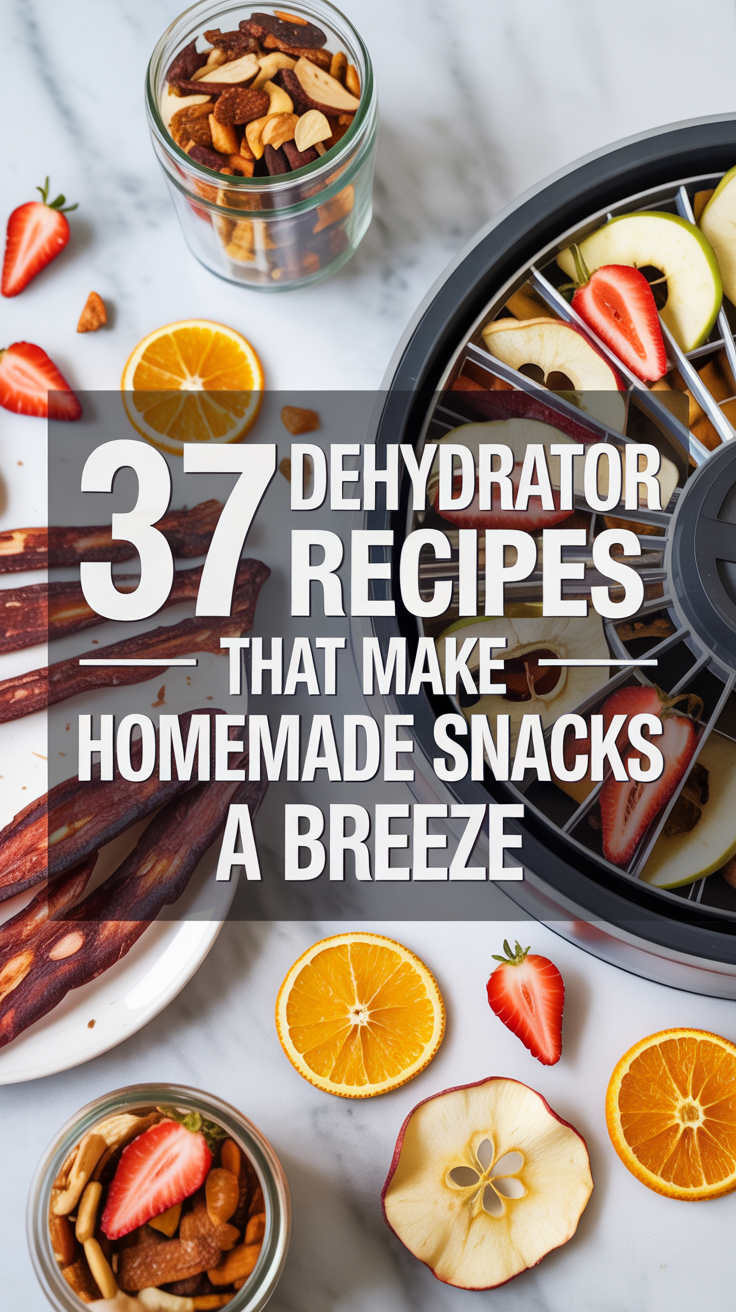
“37 Dehydrator Recipes That Make Homemade Snacks a Breeze” is your complete, step-by-step guide to turning everyday produce and pantry staples into crispy, chewy, nutrient-dense snacks that store for months and travel anywhere. Whether you’re feeding a busy family, prepping for off-grid resilience, or just want clean, low-waste snacks, dehydrating delivers huge wins: long shelf life, lightweight portability, and flavor that gets more intense as moisture leaves.
Get a head start on building a resilient pantry to pair with these dehydrator recipes using The Lost SuperFoods—field-tested, shelf-stable recipes that complement everything you’ll make here: The Lost SuperFoods
Before you begin, a few core tips for making “37 Dehydrator Recipes That Make Homemade Snacks a Breeze” truly effortless:
- Prep for uniform thickness. Slice fruits and veggies 1/8–1/4 inch so they dry evenly.
- Pre-treat if needed. Soak apples, pears, and bananas briefly in lemon water to reduce browning. Blanch hardy veggies (like green beans) to keep color and texture.
- Temperature matters. 125–135°F (52–57°C) suits most fruits; 125°F for herbs; 145–165°F (63–74°C) for jerky; 135–145°F (57–63°C) for veggies.
- Dry “to condition.” Food should be leathery or crisp. Condition dried foods in a jar for 5–7 days, shaking daily to check for moisture spots.
- Store smart. Use airtight jars or vacuum bags with oxygen absorbers for long-term storage. Label with date and weight.
You’ll also find practical storage advice, snack pack ideas, and rehydration tips throughout “37 Dehydrator Recipes That Make Homemade Snacks a Breeze,” plus targeted gear and guide recommendations to keep things simple. If you’re building a self-reliance kitchen, explore more prepping resources at Everyday Self-Sufficiency: Everyday Self-Sufficiency.
Table of Contents
Fruit Classics for Everyday Snacking
In this first part of “37 Dehydrator Recipes That Make Homemade Snacks a Breeze,” we’ll start with fruit—sweet, snackable, kid-approved, and perfect for lunch boxes or hiking. These dehydrator recipes preserve the best of each season and cut down on grocery waste.
Apple Cinnamon Chips
- Slice and pre-treat: Core and slice apples 1/8–1/4 inch. Dip slices in a lemon-water bath (1 tbsp lemon juice per cup water) for 5 minutes.
- Season: Dust with cinnamon (and a sprinkle of coconut sugar if desired).
- Dry: 135°F for 6–10 hours until crisp and dry to the center.
- Store: Keep crisp in jars with desiccant packs. Great on yogurt or as a crunchy granola addition.
Banana Coconut Chips
- Prep: Slice bananas 1/8–1/4 inch. Light lemon-water dip optional to prevent browning.
- Season: Light brush of honey and pinch of shredded coconut.
- Dry: 135°F for 8–10 hours until leathery to crisp, depending on preference.
- Tip: For extra crunch, finish at 145°F for 30 minutes.
Strawberry Slices
- Prep: Hull and slice 1/4 inch.
- Dry: 135°F for 6–10 hours until pliable and sticky-free.
- Use: Blend into smoothie powder or crumble over oatmeal. Strawberries intensify in flavor as they dry—one of the reasons “37 Dehydrator Recipes That Make Homemade Snacks a Breeze” is so addictive.
Pineapple Rings with Lime
- Prep: Slice fresh pineapple into 1/4-inch rings or tidbits.
- Season: Toss with lime zest and a pinch of chili for a street-fruit vibe.
- Dry: 135°F for 10–14 hours until leathery.
- Storage: Pineapple can be slightly tacky—condition well in jars to prevent clumping.
Mango Tajín Bites
- Prep: Slice mango 1/4 inch or cut into thin spears.
- Season: Sprinkle with Tajín or chili-lime spice.
- Dry: 135°F for 8–12 hours. Mango leathers well, so go for a chewy finish.
Blueberry “Raisins”
- Prep: Briefly blanch berries (30 seconds) and shock to crack skins.
- Dry: 135°F for 10–18 hours. Rotate trays for even drying.
- Use: Mix into trail blends or oatmeal packs. These little pops of sweetness are staples in “37 Dehydrator Recipes That Make Homemade Snacks a Breeze.”
Storage and Packaging Tips
- Condition all fruits in jars for a week, shaking daily. If condensation appears, return to the dehydrator.
- For long trips, vacuum-seal individual packs. Label by weight so you can rehydrate accurately in recipes.
Mid-Recipe Upgrade
If you’re pairing dried fruits with clean drinking water for hikes or emergencies, a compact home water system like SmartWaterBox ensures you always have safe water to rehydrate meals or brew tea for your dried fruit blends.
Savory Veggie Crunch You’ll Actually Crave
Part two of “37 Dehydrator Recipes That Make Homemade Snacks a Breeze” proves veggies can be downright addictive. These dehydrator recipes turn garden produce into crispy, savory snacks with intense flavor and a satisfying crunch.
Kale Chips (Classic)
- Prep: Strip leaves, wash and dry thoroughly. Tear into large pieces.
- Season: Olive oil, sea salt, garlic powder. Massage lightly to coat.
- Dry: 125–135°F for 4–6 hours until crisp but still green.
- Tip: Overdrying browns kale. Watch closely in the final hour.
Zucchini Parmesan Chips
- Prep: Slice 1/8 inch coins. Salt lightly for 10 minutes, blot moisture.
- Season: Olive oil, grated Parmesan, black pepper.
- Dry: 135°F for 6–8 hours. Finish at 145°F for extra crunch.
- Pair: Perfect with hummus powder rehydrated to a dip (see Part 6).
Carrot Ginger Coins
- Prep: Peel and slice 1/8 inch. Optional 1-minute blanch to brighten color.
- Season: Light honey, grated ginger, sea salt.
- Dry: 135°F for 6–10 hours. Aim for crispy edges.
- Use: Toss into trail mix for a sweet-salty bite.
Beet Rosemary Chips
- Prep: Peel and slice thin on a mandoline. Wear gloves to avoid stains.
- Season: Olive oil, crushed rosemary, sea salt.
- Dry: 135°F for 6–10 hours until crackly.
- Tip: Golden beets bleed less color—mix reds and golds for a beautiful jar.
Sweet Potato Chili Chips
- Prep: Slice 1/8 inch. Brief blanch if you prefer a slightly puffed finish.
- Season: Chili powder, smoked paprika, sea salt.
- Dry: 135°F for 8–12 hours.
- Use: Crush into a crunchy topping for soups or salads.
Crunchy Green Bean “Fries”
- Prep: Trim and blanch 2–3 minutes, shock in cold water, pat dry.
- Season: Garlic powder, onion powder, salt, and a squeeze of lemon.
- Dry: 135°F for 8–12 hours until snappy.
- Tip: These store exceptionally well and keep their color—a staple of “37 Dehydrator Recipes That Make Homemade Snacks a Breeze.”
Batch Strategy
- Slice and season multiple veggies at once, but keep trays separated by type.
- Rotate trays hourly for even drying.
- Keep a “snack jar” on the counter to encourage smart snacking. Replace what’s eaten on your next dehydration cycle to keep up a sustainable rhythm throughout “37 Dehydrator Recipes That Make Homemade Snacks a Breeze.”
Jerky and Protein Snacks for Real Fuel
Protein-rich dehydrator recipes are the backbone of “37 Dehydrator Recipes That Make Homemade Snacks a Breeze.” Jerky is portable, energy-dense, and incredibly versatile. Always practice safe handling: marinate in the fridge, pat dry, and heat-treat when indicated. Many home dehydrators recommend preheating meat to 160°F (71°C) for beef and 165°F (74°C) for poultry before dehydrating.
Classic Beef Jerky
- Cut: Eye of round, top round, or flank, sliced 1/4 inch against the grain.
- Marinade: Soy sauce, Worcestershire, brown sugar, black pepper, garlic, onion powder.
- Dry: 160–165°F for 4–6 hours, until firm and bendable but not brittle.
- Storage: Refrigerate for up to 2 weeks or vacuum-seal and freeze for months.
Teriyaki Turkey Jerky
- Cut: Turkey breast, 1/4 inch strips.
- Marinade: Teriyaki sauce, honey, grated ginger, garlic, splash of rice vinegar.
- Dry: 160–165°F for 4–6 hours. Poultry should reach 165°F internal before dehydration or via a preheat step.
Spicy Venison Jerky
- Cut: Lean venison, 1/4 inch.
- Marinade: Chili paste, soy, brown sugar, black pepper, cumin.
- Dry: 160–165°F for 4–6 hours.
- Tip: Venison is very lean—don’t skip a quick 10-minute preheat in the oven at 275°F to boost food safety.
Salmon Jerky
- Cut: Skin-on salmon fillets, thin slices.
- Marinade: Tamari, maple syrup, garlic, a touch of liquid smoke.
- Dry: 145–155°F for 4–6 hours. Fish jerky is done when it flakes and feels dry to the touch.
Tofu Smoked Jerky
- Prep: Press extra-firm tofu 30 minutes, slice 1/4 inch.
- Marinade: Tamari, smoked paprika, maple, apple cider vinegar.
- Dry: 140–150°F for 4–6 hours until chewy.
- Use: Plant-based protein that pairs perfectly with the veggie chips from Part 2.
Crunchy Chickpea Snack Croutons
- Prep: Cooked chickpeas, well-drained.
- Season: Olive oil, cumin, paprika, salt. Toss well.
- Dry: 135–145°F for 6–10 hours until crisp.
- Use: Salads, soups, or straight from the jar; a savory anchor in “37 Dehydrator Recipes That Make Homemade Snacks a Breeze.”
Food-Safety Quick Guide
- Always marinate meats in the fridge.
- Use separate cutting boards for raw and ready-to-eat foods.
- When in doubt, briefly heat jerky to pasteurize (oven or dehydrator at higher temp) before storage.
If you want a compact, practical medical guide that pairs well with a self-reliant kitchen, Home Doctor is a smart addition for homesteaders and travelers: Home Doctor
Fruit Leathers and Naturally Sweet Treats
This chapter of “37 Dehydrator Recipes That Make Homemade Snacks a Breeze” turns ripe fruit into roll-up gold. Fruit leathers pack flavor into on-the-go strips with zero artificial junk.
Strawberry-Apple Leather
- Blend: 2 cups strawberries + 1 cup applesauce, pinch of lemon, optional honey.
- Spread: 1/8 inch thick on nonstick dehydrator sheets.
- Dry: 135°F for 4–8 hours until tack-free.
- Finish: Cut into strips and roll with parchment.
Mango-Chili Leather
- Blend: 3 cups mango, squeeze of lime, pinch of chili powder.
- Dry: 135°F for 4–8 hours. Aim for a flexible, not brittle, sheet.
Pumpkin Pie Leather
- Blend: Pumpkin puree, applesauce, maple syrup, cinnamon, nutmeg.
- Dry: 135°F for 6–8 hours. Slightly thicker leathers may take longer.
- Tip: Great fall snack and lunchbox favorite.
Pear-Cinnamon Leather
- Blend: 3 cups ripe pears, lemon juice, cinnamon, touch of vanilla.
- Dry: 135°F for 6–8 hours. Pear adds a delicate, floral sweetness.
Berry Yogurt Drops
- Blend: Greek yogurt with blended berries and a drizzle of honey.
- Pipe: Onto sheets in dime-sized drops.
- Dry: 135°F for 4–6 hours until they pop off clean.
- Tip: These have shorter shelf life; store in fridge or freezer for best texture.
Kid-Friendly Packing
- Roll leather with parchment and tie with twine.
- Mix-and-match flavors: strawberry-mango, apple-blueberry, pear-ginger.
- Because “37 Dehydrator Recipes That Make Homemade Snacks a Breeze” aims for simplicity, batch-blend and fill multiple trays with two or three flavors at once.
Mid-Content Helper
Dehydrated fruit leathers pair perfectly with safe, on-the-go hydration. If you’re building a solid preparedness kit for travel, hiking, or emergencies, consider a home-and-travel water backbone like SmartWaterBox so your snack packs always have clean water for rehydrating or sipping.
Advanced Leather Tips
- Use applesauce as a neutral, pectin-rich base to reduce cracking.
- Add lemon juice to brighten flavor and help preserve color.
- Too sticky? Return to the dehydrator for an extra hour or two; humidity can extend dry times.
Pantry Staples and Flavor Powders That Save Money
A huge win inside “37 Dehydrator Recipes That Make Homemade Snacks a Breeze” is transforming fresh ingredients into compact pantry staples and spice blends. These staples are chef-level hacks that elevate everyday cooking.
Tomato Powder
- Prep: Slice tomatoes or spread tomato puree on liners.
- Dry: 135°F until crisp. Blend to a fine powder.
- Use: Instant tomato paste/sauce, seasoning for chips, soup base.
Garlic Powder
- Prep: Slice garlic cloves thin.
- Dry: 125°F until completely dry, then grind.
- Tip: Dry in a well-ventilated space; garlic is pungent. Store sealed to prevent clumping.
Onion Powder
- Prep: Thin-sliced onions spread evenly on trays.
- Dry: 125–135°F until brittle. Blend to powder.
- Use: Combine with garlic for a custom all-purpose seasoning.
Mushroom Umami Powder
- Prep: Slice mushrooms or dry purchased slices.
- Dry: 125–135°F until crisp. Grind.
- Use: Sprinkle on soups, eggs, and roasts for deep savory flavor.
Citrus Zest Powder
- Prep: Peel zest in thin strips without pith.
- Dry: 95–115°F (lowest setting) until crisp. Grind to powder.
- Use: Brighten baked goods, fish, and vinaigrettes.
Homemade Bouillon Powder
- Base: Dehydrate finely chopped carrots, celery, onion, parsley; blend with salt, turmeric, garlic, and nutritional yeast.
- Use: Add to hot water for instant broth; mix into rice or quinoa for flavor.
Product Recommendation Section
To take “37 Dehydrator Recipes That Make Homemade Snacks a Breeze” from hobby to resilience, the right guides and tools save time and prevent mistakes:
- The Lost SuperFoods: A practical, research-rich guide to shelf-stable meals that pair perfectly with your dehydrated staples and powders. Ideal for long-term storage planning. The Lost SuperFoods
- Home Doctor: Common-sense medical advice for off-grid or delayed-care scenarios—smart to keep alongside your pantry. Home Doctor
- URBAN Survival Code: For apartment dwellers or small-space preppers, learn how to integrate dehydrating and compact storage without a homestead. URBAN Survival Code
- SmartWaterBox: Clean water is the foundation of rehydrating powders, soups, and meals-in-a-jar. SmartWaterBox
For more self-reliant kitchen ideas, explore additional how-tos on Everyday Self-Sufficiency: Everyday Self-Sufficiency or browse topics via the site map.
Backpacking and Meal Prep Staples
Part six of “37 Dehydrator Recipes That Make Homemade Snacks a Breeze” shows how to build ultra-light meals that rehydrate fast on the trail or at the office. Each is designed for speed, nutrition, and flavor.
Dehydrated Chili
- Cook a lean, bean-and-vegetable chili as usual.
- Spread: Thin layers on dehydrator trays lined with fruit-leather sheets.
- Dry: 145°F for 8–12 hours until completely brittle.
- Pack: Crumble into bags. Rehydrate 1:1.5 (chili to boiling water) for 10–15 minutes.
Taco Meat Crumbles
- Cook: Seasoned ground beef or turkey with taco spices; rinse briefly to remove excess fat; drain thoroughly.
- Dry: 145–155°F for 6–8 hours until dry pebbles.
- Rehydrate: Add boiling water just to cover; wait 10 minutes. Use in tortillas or bowls with dried beans and rice.
Dehydrated Cooked Rice
- Cook rice slightly al dente; spread thinly.
- Dry: 135°F for 6–8 hours until hard and dry.
- Rehydrate: Boiling water 1:1 in a cozy or pot for 10–15 minutes.
- Tip: Mix with bouillon powder (Part 5) for instant flavored rice.
Pasta Sauce Leather
- Simmer marinara to thicken; spread thin.
- Dry: 135°F for 6–8 hours until leathery.
- Rehydrate: Break pieces into hot water in a pot; simmer gently.
Hummus Powder
- Blend: Dehydrated chickpeas (or chickpea flour), garlic powder, lemon powder (from zest powder + citric acid), cumin, salt.
- To serve: Add water and olive oil to desired consistency. Great with zucchini chips.
Oatmeal Fruit Packs
- Mix: Quick oats, powdered milk or plant milk powder, cinnamon, sugar, and chopped dehydrated fruit (apples, strawberries, blueberries from Part 1).
- Use: Just add boiling water to the pack, stir, and cover 3–5 minutes.
Trail Assembly Tips
- Build mix-and-match meal kits: rice + taco crumbles + salsa leather pieces; chili + rice; pasta + sauce leather.
- Pack oxygen absorbers for long trips.
- “37 Dehydrator Recipes That Make Homemade Snacks a Breeze” is great for budget-friendly meal preps—make a month’s worth in a weekend.
Bold Garnishes and “Chef’s Kiss” Toppers
This part of “37 Dehydrator Recipes That Make Homemade Snacks a Breeze” focuses on small-batch flavor bombs—garnishes that transform simple meals.
Sun-Dried Tomato Halves
- Prep: Halve cherry tomatoes or slice Romas.
- Season: Olive oil, salt, thyme.
- Dry: 135°F for 8–12 hours to leathery-dry.
- Use: Pasta, salads, focaccia; also blend into tomato powder for a richer base.
Crispy Jalapeño Slices
- Prep: Slice thin. Remove seeds for milder heat.
- Season: Salt and a touch of vinegar spritz.
- Dry: 125–135°F for 6–8 hours until crisp.
- Use: Top tacos, soups, and eggs. Another must-have jar for “37 Dehydrator Recipes That Make Homemade Snacks a Breeze.”
Dehydrated Salsa Base
- Prep: Finely chop tomatoes, onions, peppers, cilantro; spread thin.
- Dry: 135°F until brittle.
- Rehydrate: Crumble, add hot water and a squeeze of lime. Adjust salt.
Crispy Garlic Bits
- Prep: Thin garlic slices or minced garlic spread thin.
- Dry: 125°F until golden and fully dry.
- Use: Sprinkle on ramen, stir-fries, and salads. Store airtight; garlic absorbs moisture quickly.
Kimchi or Chili Flake Powder
- Dry: Fully dried kimchi or thin-sliced cabbage with gochugaru and salt.
- Grind: Into a bright, tangy-sour powder.
- Use: Season popcorn, chips, or rice bowls.
Finishing Salt Blends
- Combine citrus zest powder with flaky salt; or mushroom powder with sea salt for umami salt.
- Use: Dust over eggs, avocado toast, soups, and roasted veggies.
These toppers are the bridge between snacks and meals inside “37 Dehydrator Recipes That Make Homemade Snacks a Breeze”—they elevate everything you cook and pack light for travel.
Storage, Shelf Life, and Zero-Waste Habits
In this section of “37 Dehydrator Recipes That Make Homemade Snacks a Breeze,” you’ll lock in quality with smart storage and zero-waste tactics so nothing goes stale or soggy.
Conditioning and Storage
- Condition dried foods for 5–7 days in jars, shaking daily. Watch for moisture on glass or clumping—if seen, return to dehydrator.
- Use glass mason jars, mylar bags with oxygen absorbers, or vacuum-sealed bags for longer-term storage.
- Label everything: item, date, and net dried weight for accurate rehydration later.
Shelf-Life Pointers
- Fruits: 6–12 months in airtight containers (cool, dark storage).
- Veggies and powders: 6–12 months; onion/garlic can last longer if fully dry.
- Jerky: Refrigerate for up to 2 weeks; freeze for long-term storage.
- Leathers: 1–3 months at room temp; refrigerate/freeze to extend.
Humidity Defense
- Rotate silica gel packs for snack jars you open often.
- Keep a hygrometer in your pantry to monitor humidity.
- If a batch softens, re-dry at 125–135°F for 30–90 minutes.
Zero-Waste Wins
- Save citrus peels for zest powder (Part 5).
- Turn tomato skins from canning into tomato powder.
- Use leftover smoothie blends as leathers—nothing wasted, everything tasty.
Urban and Small-Space Strategy
- For apartment dwellers pursuing “37 Dehydrator Recipes That Make Homemade Snacks a Breeze,” dry at night to avoid daytime heat.
- Store flat leathers and powders under beds or on closet shelves in bins.
- Learn urban-friendly preparedness tactics with URBAN Survival Code to seamlessly fit food storage into tight spaces.
Water Readiness for Rehydration
- A reliable home water system simplifies cooking with your dried foods and leathers. Keep water clean and accessible with SmartWaterBox, a practical layer for any kitchen or prepper setup.
Putting It All Together + Quick Start CTA
We’ve reached the final stretch of “37 Dehydrator Recipes That Make Homemade Snacks a Breeze.” Let’s bundle recipes into smart kits, weekly rhythms, and go-bags so the habit sticks.
Weekly Dehydration Rhythm
- Weekend: Slice fruit (apples, bananas, strawberries) and load trays. Start a savory tray (kale or zucchini).
- Weeknights: Run small batches—garlic/onion powder on Monday, mushroom powder Tuesday, salsa base Wednesday.
- Monthly: One protein run (beef or turkey jerky), one backpacking meal session (chili, taco crumbles, rice).
Snack and Meal Kit Ideas
- Office Snack Kit: Apple chips + chickpea crunch + kale chips.
- Hike Kit: Mango chili leather + jerky + oatmeal fruit pack.
- Pantry Builder: Tomato powder + bouillon powder + dehydrated rice + pasta sauce leather.
Cross-Use Combos
- Crush sweet potato chips as a topping for chili.
- Mix jalapeño slices and sun-dried tomatoes into couscous for a no-cook lunch.
- Stir mushroom umami powder into instant ramen for a “chef’d up” bowl.
Quick Start CTA: Stock Your Pantry the Smart Way
- Build a resilient recipe base with The Lost SuperFoods—perfect alongside your “37 Dehydrator Recipes That Make Homemade Snacks a Breeze” projects.
- Ensure clean rehydration water with SmartWaterBox.
- Add practical medical readiness with Home Doctor.
- Apartment or tight on space? Learn compact, reality-based methods with URBAN Survival Code.
Tracking and Scaling
- Keep a simple log: produce weight pre- and post-drying, time, temp, and outcome.
- Note favorite seasonings and “done” textures so you can repeat them.
- Share jars and kits—spreading the habit of “37 Dehydrator Recipes That Make Homemade Snacks a Breeze” makes community stronger.
Conclusion
You now have “37 Dehydrator Recipes That Make Homemade Snacks a Breeze,” spanning fruit chips, veggie crunch, jerkies, leathers, powders, and full meal kits. With a single dehydrator and a weekend habit, you can:
- Transform seasonal produce into year-round flavor.
- Cut snack costs and food waste.
- Build an emergency-ready pantry that still tastes amazing.
Your next step is simple: pick three recipes from different categories and run a single mixed batch. Apple chips, kale chips, and tomato powder make an ideal starter run. Label, store, and snack—then expand to jerky, leathers, and backpacking meals.
Round out your system with a few smart tools and guides:
- Pantry resilience and historic staples: The Lost SuperFoods
- Reliable water for rehydration and everyday cooking: SmartWaterBox
- Practical medical readiness: Home Doctor
Explore more DIY food storage and preparedness topics at Everyday Self-Sufficiency or browse the site map for related guides.
FAQ
What is fun to dehydrate?
“Fun” often means vibrant flavors, unexpected textures, and kid-friendly shapes. Try:
Fruit leathers in rainbow swirls (strawberry-mango, pear-berry).
Pineapple-lime rings and mango Tajín bites for tropical vibes.
Crispy jalapeño slices and sun-dried tomatoes for bold, chef-y toppers.
Yogurt drops for a tangy, melt-in-your-mouth treat.
Seasoned zucchini parmesan chips for a craveable savory snack.
These all appear in “37 Dehydrator Recipes That Make Homemade Snacks a Breeze” and are perfect for gifts and lunch boxes.
What to make in dehydration?
Use dehydration for snacks, staples, and full meals. Ideal categories:
Snacks: Apple chips, banana chips, kale chips, beet chips, chickpea crunch.
Treats: Fruit leathers, yogurt drops.
Proteins: Beef, turkey, venison, salmon, and tofu jerkies.
Pantry: Tomato, garlic, onion, mushroom, and citrus zest powders; bouillon powder.
Meals: Chili, taco crumbles, rice, pasta sauce leather, oatmeal packs.
The recipes and methods in “37 Dehydrator Recipes That Make Homemade Snacks a Breeze” cover each category with temps, times, and storage advice.
What meals dehydrate well?
Meals that are lean, low-fat, and thickened often dehydrate and rehydrate best. Good choices include:
Chili and stews (lean meat or beans, reduced-fat, thickened before drying).
Pasta sauce leather (broken into boiling water to recreate sauce).
Taco meat crumbles (rinsed and well-drained to remove fat before drying).
Cooked grains like rice and quinoa (dry fast, rehydrate evenly).
Hummus powder and soup mixes (bouillon powder + veggie flakes).
Package by serving size, label dry weight, and include rehydration ratios. For water certainty when rehydrating at home or on the trail, consider SmartWaterBox. For resilient pantry planning beyond the dehydrator, keep The Lost SuperFoods on your shelf.
Note: Dry times vary by machine, slice thickness, humidity, and load. Foods are done when crisp or leathery with no visible moisture. Condition in jars 5–7 days and store airtight for longest life.