
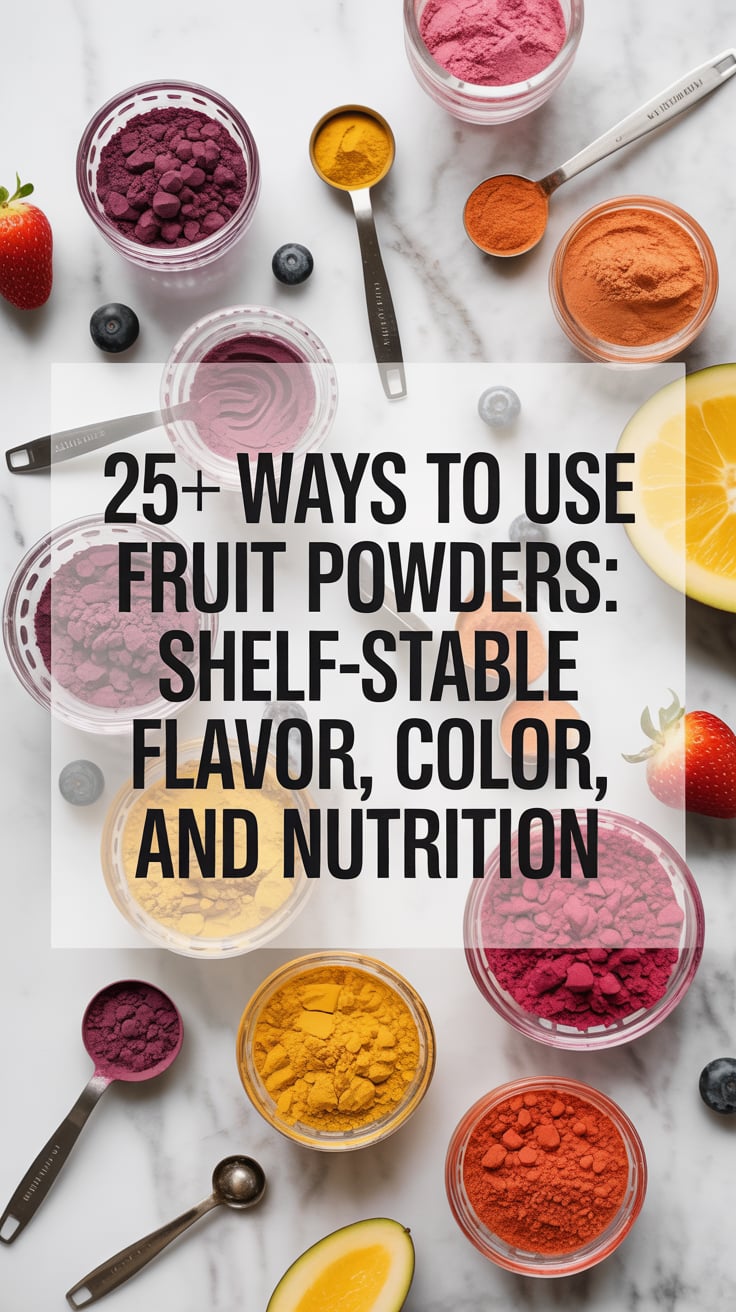
Fruit powders are the ultimate pantry power-up for homesteaders, preppers, bakers, smoothie lovers, and busy families. In this guide on 25+Ways to Use Fruit Powders, you’ll learn exactly how to use apple, banana, strawberry, blueberry, mango, pineapple, pomegranate, and even lemon or orange powders to boost flavor, color, and nutrition—without the perishability or waste of fresh fruit. From breakfast to baking, savory rubs to camp cooking, kid snacks to emergency rations, 25+Ways to Use Fruit Powders unlocks creative, budget-friendly ideas that fit real life. Whether you buy freeze-dried fruit powder or make your own from dehydrated fruit, the tips below will help you stretch your food dollars and build a reliable, long-lasting pantry.
If you love resilient pantry strategies and recipes that keep your family fed no matter what, explore the step-by-step preservation methods in The Lost SuperFoods for practical, time-tested food tactics you can apply alongside these 25+Ways to Use Fruit Powders: The Lost SuperFoods
Fruit powders are made by dehydrating or freeze-drying fruit and then grinding it to a fine powder. Freeze-dried powder preserves color, aroma, and nutrients exceptionally well, while spray-dried or dehydrated powders may include carriers like maltodextrin to reduce clumping and improve flow. In 25+Ways to Use Fruit Powders, you’ll see how these shelf-stable ingredients transform yogurt, oatmeal, pancake batter, buttercream frosting, marinades, salad dressings, chia puddings, tea blends, mocktails, and more. They also solve common problems: no more mushy fruit, no more wasted berries, no more flavor losses in off-season cooking.
Another advantage you’ll see throughout 25+Ways to Use Fruit Powders is precise control. You can add intense strawberry flavor without extra liquid; color macarons and meringues naturally; season a pork tenderloin with pineapple powder for a tender, caramelized crust; or revive a bland smoothie with a spoonful of blueberry powder. Measuring is easy: 1–2 teaspoons per serving often goes a long way, and you can tweak to taste. Fruity acidity from citrus powder can brighten dressings; apple powder can thicken sauces thanks to pectin; and banana powder adds body to smoothies and baked goods.
Storage is simple and critical to make the most of 25+Ways to Use Fruit Powders. Keep powders in airtight jars, ideally vacuum-sealed or in Mylar with oxygen absorbers, away from heat and light. Label your jars with the fruit type and date. Good storage helps maintain the bright flavor and color you want, and prevents caking from humidity. When you’re applying 25+Ways to Use Fruit Powders to everyday recipes, quick access to well-labeled jars makes you far more likely to reach for them instead of bottled sauces or artificial mixes.
Speaking of everyday recipes, this guide structures 25+Ways to Use Fruit Powders into practical, bite-sized categories—breakfasts, baking and desserts, drinks and hydration, savory cooking and sauces, kids’ snack hacks, camp and emergency cooking, self-sufficiency projects, and even small business ideas. You can skim for inspiration or read end to end to master the pantry-friendly art of fruit powders.
For more self-reliant food ideas and practical home systems that complement 25+Ways to Use Fruit Powders, browse the resources at Everyday Self-Sufficiency: Everyday Self-Sufficiency
Table of Contents
Fruit Powder Fundamentals—How They’re Made, Stored, and Substituted
To make the most of 25+Ways to Use Fruit Powders, start with the basics. Fruit powder is either freeze-dried or dehydrated fruit ground to a fine or ultra-fine texture. Freeze-dried fruit powder usually retains brighter color, stronger aroma, and better nutrients because water is removed at very low temperatures. Dehydrated fruit powders can be excellent, too, particularly when you dry ripe fruit gently and grind it fresh before use. Some commercial powders are spray-dried and may include carriers (maltodextrin, gum arabic) for flow and shelf stability. For 25+Ways to Use Fruit Powders in delicate baking, choose fine, carrier-free powders with vivid color and natural flavor.
Storage best practices to protect your investment:
- Airtight glass jars or food-grade tins with desiccant packs
- Keep in a cool, dark cabinet; avoid heat and humidity
- For long-term storage, Mylar bags + oxygen absorbers
- Label fruit variety and date; rotate using FIFO (first in, first out)
Substitution rules that power 25+Ways to Use Fruit Powders:
- 1 tablespoon fruit powder ≈ 1/4–1/2 cup fresh fruit flavor impact (varies by fruit and brand)
- Add liquid to reconstitute (1 tbsp powder + 1–2 tbsp water) when you need purees
- In frostings or macarons, sift powders to avoid clumps and streaks
- Balance sweetness and acidity: strawberry and raspberry add tang; banana and mango add sweetness and body
- For savory ideas in 25+Ways to Use Fruit Powders, pineapple and mango bring enzymes and caramelization; apple lends gentle sweetness and thickening
Quality checks:
- Bright color and natural aroma when opened
- Minimal caking (light clumping is normal; break up before use)
- Taste test with water: clean, true fruit flavor without bitterness
Kitchen equipment for 25+Ways to Use Fruit Powders:
- Fine-mesh sieve for sifting into batters or buttercream
- Mini whisk or milk frother to blend into drinks
- Measuring spoons for consistent results
- Small spice grinder for making your own from dehydrated chips
Because 25+Ways to Use Fruit Powders is about real-life convenience, don’t overcomplicate it. Keep a 4–6 jar “core set” (strawberry, blueberry, banana, mango, pineapple, lemon/orange) and build from there. You’ll cover sweet and savory, bright and mellow, thickening and coloring—all with shelf-stable ingredients that won’t expire next week.
If you’re building a robust pantry to pair with 25+Ways to Use Fruit Powders, consider field-tested preservation ideas in The Lost SuperFoods: The Lost SuperFoods
Pantry Power—Storage, Prepper Uses, and Camp-Friendly Hacks
One reason 25+Ways to Use Fruit Powders resonates with homesteaders and preppers is how compact and durable these powders are. You can store months of fruit flavor and nutrition in a single shoebox-sized tote. Fruit powders tuck into go-bags, RV pantries, and boat galleys, and they don’t bruise or rot. In emergency cooking, they transform rice, oats, pancakes, and biscuits into something you actually want to eat.
Prepper-forward tactics that highlight 25+Ways to Use Fruit Powders:
- Breakfast base kits: oats + milk powder + strawberry powder + chia = complete hot cereal packs
- Drink boosters: add lemon or orange powder to water for morale and vitamin C
- Trail energy: mix banana powder with peanut butter powder and a pinch of salt; roll into bite bites
- Pancake upgrades: whisk apple powder into dry mix for apple-cinnamon pancakes anytime
- Shelf-stable yogurt hack: stir fruit powder into canned coconut milk yogurt or reconstituted milk yogurt
Smart storage for 25+Ways to Use Fruit Powders in tough conditions:
- Mylar + oxygen absorbers for bug-out bags
- Silica or desiccant packs in daily-use jars
- Divide stock: keep a small “working jar” and bulk storage sealed
Water quality matters for drinks and reconstituting purees. If you’re building an off-grid kitchen around 25+Ways to Use Fruit Powders, a compact purification system ensures better flavor and peace of mind in smoothies, teas, and electrolyte drinks. For a space-savvy home solution, see the SmartWaterBox system: SmartWaterBox
Camp and RV hacks using 25+Ways to Use Fruit Powders:
- Instant hot drinks: blueberry-ginger tea (blueberry powder + pinch of ginger + hot water)
- Quick sauces: mango powder + chili flake + lime powder + water = spicy-sweet glaze for grilled fish
- Dutch oven desserts: strawberry powder folded into biscuit dough, baked over coals, served with reconstituted cream
- Low-mess cleanup: powders won’t stick like syrups; minimal pans
Organizing your pantry around 25+Ways to Use Fruit Powders also simplifies meal planning. Create a “flavor map” jar set: red fruits for tartness (raspberry, cranberry), yellow fruits for brightness (lemon, pineapple), blues for depth (blueberry, blackberry), and neutral sweeteners (banana, apple) for bulking and body. With that system, you can tweak any plain base—rice, quinoa, oats, yogurt, pancake mix—on the fly without shopping.
For a broader self-sufficiency plan that pairs with 25+Ways to Use Fruit Powders, explore the master list of resources on our site: Everyday Self-Sufficiency and bookmark the full sitemap for easy navigation.
Drinks and Hydration—Smoothies, Teas, Mocktails, and Electrolytes
This is where 25+Ways to Use Fruit Powders shines for daily health. Fruit powders turn plain water into flavorful hydration, rescue bland protein shakes, and create sugar-light mocktails and kid-friendly sippers. Because powders are concentrated, you control sweetness and flavor intensity without diluting your drink.
Smoothie upgrades anchored in 25+Ways to Use Fruit Powders:
- Quick smoothie base: 1 cup milk or plant milk + 1 scoop protein + 1–2 tsp strawberry or blueberry powder + handful of ice
- Banana-berry body: 1 tsp banana powder + 1 tsp raspberry powder for thicker, tangy shakes
- Green smoothie rescue: 1 tsp mango powder balances bitterness from kale or spinach
- Pre-workout: pomegranate powder for tart energy; post-workout: pineapple powder for refreshing finish
Tea and latte ideas from 25+Ways to Use Fruit Powders:
- Fruit tea: 1 tsp blueberry powder + hot water + lemon powder + honey
- Matcha-latte twist: matcha + coconut milk + mango powder for a tropical note
- Hibiscus cooler: hibiscus tea + strawberry powder + sparkling water over ice
Electrolyte boosters using 25+Ways to Use Fruit Powders:
- DIY sports drink: 2 cups water + 1–1.5 tbsp lemon/orange powder + 1 tbsp honey + pinch of salt + magnesium if desired
- Recovery ice pops: blend coconut water + watermelon powder + lime powder; freeze
Mocktails and low-sugar cocktails:
- Faux-rita: lime powder + orange powder + agave + salted rim + soda water
- Berry spritz: strawberry powder + lemon powder + simple syrup (light) + club soda
- Pineapple chili refresher: pineapple powder + chili + lime powder + ginger beer (or soda water)
Blending tips to optimize 25+Ways to Use Fruit Powders:
- Whisk powder with a small amount of liquid first for a smooth slurry
- Use a handheld frother to “disappear” any clumps fast
- Add acids (lemon) or sweetness (honey) to balance tart berries or bitter carriers
Water taste matters in drinks. If your tap water is off, even 25+Ways to Use Fruit Powders can’t fully mask it. Consider an at-home system so smoothies, teas, and kids’ drinks taste clean every time: SmartWaterBox
When you batch blend with 25+Ways to Use Fruit Powders, you also save money. Replace bottled juices (high sugar, heavy, expensive) with a jar of orange powder and make just what you need. No waste. No fridge space. Big flavor, on demand.
Breakfast Wins—Yogurt, Oats, Pancakes, Chia, and Cottage Cheese
Breakfast is the easiest place to apply 25+Ways to Use Fruit Powders. A teaspoon transforms plain yogurt, cottage cheese, or overnight oats without watery fruit runoff. Because powders keep everything thick, you get a creamy texture that feels indulgent but is easy to portion and pack.
Yogurt and cottage cheese with 25+Ways to Use Fruit Powders:
- Strawberry cheesecake bowl: Greek yogurt + strawberry powder + vanilla + crushed grahams
- Lemon-blueberry swirl: blueberry powder + lemon powder + chia seeds
- Protein cottage bowl: cottage cheese + banana powder + cinnamon + walnuts
Oatmeal and overnight oats:
- Apple pie oats: apple powder + cinnamon + maple + pinch of salt
- PB&J oats: strawberry powder + peanut butter powder + oats + milk
- Mango coconut overnight oats: mango powder + coconut flakes + chia + coconut milk
Pancakes, waffles, and crepes:
- Strawberry pancakes: whisk 1–2 tbsp strawberry powder into dry mix for pink, fruity stacks
- Banana waffle batter: banana powder + nutmeg for aroma and lift
- Lemon crepes: lemon powder in batter; fill with ricotta + blueberry powder
Chia puddings and smoothie bowls from 25+Ways to Use Fruit Powders:
- Raspberry chia: 1 cup milk + 3 tbsp chia + 2 tsp raspberry powder + honey
- Tropical bowl: banana powder + pineapple powder blended with yogurt; top with granola
Texture and sweetness tips:
- Start small: 1 tsp per serving; adjust to taste
- Add pinches of salt to magnify fruit flavor
- Pair tart fruits (raspberry) with creamy bases; pair sweet fruits (banana) with tangy yogurt
Meal prep advantage:
- Mix dry “flavor packs” with 25+Ways to Use Fruit Powders: small jars of strawberry-cinnamon-vanilla or mango-lime-coconut to shake into yogurt or oats all week
- For kids, color-coded lids for different flavors make morning choices fun and fast
If you’re collecting simple, resilient breakfast systems to complement 25+Ways to Use Fruit Powders, consider preservable recipes and pantry frameworks in The Lost SuperFoods: The Lost SuperFoods
Baking and Desserts—Natural Color, Intense Flavor, Lower Moisture
Baking is where 25+Ways to Use Fruit Powders becomes a secret weapon. Fresh fruit can add too much moisture, fade in color, or sink in batters. Fruit powders deliver concentrated flavor and stunning natural color without altering structure. They’re ideal for macarons, meringues, buttercream, royal icing, marshmallows, cocoa mixes, and cake batters.
Buttercream and frosting:
- Strawberry buttercream: sift 1–3 tbsp strawberry powder per cup of frosting; adjust to taste
- Lemon cream cheese frosting: lemon powder + zest for extra pop
- Raspberry Swiss meringue: raspberry powder + a tiny pinch of salt to brighten
Macarons and meringues using 25+Ways to Use Fruit Powders:
- Add 1–2 tsp fine fruit powder to dry macaron mix for color and aroma
- Dust finished shells with a light fruit powder-sugar blend
- For meringues, fold powders gently at the end to maintain volume
Cakes, brownies, and cookies:
- Strawberry shortcake sponge: strawberry powder in batter + fresh cream
- Lemon sugar cookies: lemon powder in dough + lemon sugar dusting
- Banana brownies: banana powder adds chew and subtle sweetness
Chocolate and confectionery:
- Truffles: roll ganache balls in raspberry or blueberry powder for jewel-tone finishes
- Hot cocoa upgrade: add strawberry powder for “strawberries-and-cream” cocoa
- Marshmallows: dust with passion fruit or mango powder for exotic tang
Gummies and fruit chews:
- Bloom gelatin; whisk in fruit powder + a touch of honey; set in molds for low-sugar treats
- Pectin gels: use apple powder (pectin naturally present) for set and flavor
Bakery pro tips for 25+Ways to Use Fruit Powders:
- Always sift powders for smooth textures
- Taste carriers: if a powder has maltodextrin, you may need more to reach desired flavor
- Acid-sweet balance: use lemon powder to wake up strawberry; use banana powder to mellow raspberry
When you want to rely on pantry baking without perishable produce, 25+Ways to Use Fruit Powders keeps the beat. You’ll cut waste, gain consistency, and bake extraordinary treats with natural ingredients that store for months.
Product Recommendations for the Self-Reliant Kitchen
Curating the right tools and guides amplifies the value you get from 25+Ways to Use Fruit Powders.
- The Lost SuperFoods: A practical, no-fluff compendium of preservation tactics that pairs perfectly with your fruit powder pantry, from shelf-stable recipes to storage strategies: The Lost SuperFoods
- SmartWaterBox: Clean, reliable water improves every drink, smoothie, tea, and reconstitution step in 25+Ways to Use Fruit Powders. Ideal for home, RV, or cabin: SmartWaterBox
- Home Doctor: For families using 25+Ways to Use Fruit Powders for wellness, this guide offers practical, at-home medical know-how that complements a resilient pantry: Home Doctor
Choose what fits your goals now, and add more as you scale your self-sufficient kitchen.
Savory and Culinary—Rubs, Sauces, Glazes, and Salad Dressings
Fruit powders aren’t only for sweet recipes. Some of the most surprising entries in 25+Ways to Use Fruit Powders are savory. Fruit acidity, enzymes, and natural sugars add balance, browning, and complexity.
Rub and marinade ideas:
- Pineapple chili rub for pork or chicken: pineapple powder + chili powder + cumin + brown sugar + salt
- Mango tajín fish rub: mango powder + tajín + coriander + lime powder
- Apple smoke rub for ribs: apple powder + smoked paprika + mustard powder + black pepper
Glazes and sauces from 25+Ways to Use Fruit Powders:
- Orange-soy glaze: orange powder + soy sauce + honey + ginger + garlic; reduce until glossy
- Raspberry chipotle sauce: raspberry powder + chipotle + vinegar + sugar; simmer and brush on grilled meats
- Lemon butter pan sauce: lemon powder + butter + capers + stock for chicken piccata
Salad dressings and slaws:
- Strawberry balsamic vinaigrette: strawberry powder + balsamic + olive oil + Dijon + salt
- Lemon-tahini dressing: lemon powder + tahini + garlic + water + maple
- Apple cider slaw: apple powder + ACV + mayo + celery seed
Cheese boards and charcuterie:
- Dust goat cheese with blueberry powder for color and tang
- Mix fig or date powder with walnuts and drizzle with honey
- Bread dipper: olive oil + chili + orange powder + sea salt
Culinary science notes to support 25+Ways to Use Fruit Powders:
- Enzymes: pineapple and papaya powders tenderize proteins; limit marinade time to avoid mushiness
- Caramelization: sugar in fruit powders promotes browning; monitor heat to prevent burning
- Acidity: citrus and berry powders can replace vinegar or lemon juice in a pinch
Savory meal prep:
- Toss roasted carrots with orange powder + butter + thyme
- Finish grilled salmon with lemon powder + dill + olive oil
- Stir tomato-adjacent fruit like red bell pepper powder (botanically fruit) with chili and mango for a unique salsa
Keep experimenting: 25+Ways to Use Fruit Powders is a playground for flavor and a workhorse for weeknight dinners.
Wellness, Fitness, and Skin—Functional Uses with Common-Sense Safety
Health-focused uses are a natural extension of 25+Ways to Use Fruit Powders. While powders aren’t magic pills, they offer convenient vitamin C, polyphenols, pectin, and fiber to enrich daily nutrition, particularly when fresh fruit is out of season.
Daily wellness:
- Immune-leaning sippers: hot water + lemon powder + honey + ginger
- Antioxidant boost: blueberry or tart cherry powder stirred into yogurt or kefir
- Digestive help: apple powder’s pectin can support gentle digestion
Fitness and recovery via 25+Ways to Use Fruit Powders:
- Pre-workout: citrus or pomegranate powder with a pinch of salt in water
- Post-workout: pineapple powder in coconut water for refreshing carbs
- Travel-friendly: packets of powders for hotel-room hydration without sugary juices
Skin and DIY care (patch-test first):
- Lip scrub: sugar + coconut oil + strawberry powder for color and aroma
- Face mask (gentle): yogurt + honey + blueberry powder; rinse thoroughly
- Bath soaks: orange powder + Epsom salt + a few drops of essential oil for an uplifting scent
Safety and dosage common sense for 25+Ways to Use Fruit Powders:
- Start small; powders are concentrated
- Check labels for carriers and allergens
- Some citrus/berry acids can irritate sensitive skin—test on a small area
- Powders are food, not medical treatments; consult a professional for health conditions
If you want a practical home health reference to pair with your self-reliant pantry and 25+Ways to Use Fruit Powders, keep Home Doctor on hand for everyday scenarios: Home Doctor
Hydration reminder: clean water plus the right fruit powder beats bottled sugar drinks. See the compact home solution that complements 25+Ways to Use Fruit Powders in every kitchen: SmartWaterBox
Kid-Friendly Snacks, Lunchbox Tricks, and No-Mess Treats
Parents love 25+Ways to Use Fruit Powders because they reduce sugar and mess while keeping flavors fun. Instead of syrupy cups and stained lunchboxes, use controlled doses of bright, real fruit flavor in dry or thick bases.
Snack hacks:
- Yogurt dipper kits: Greek yogurt + strawberry or mango powder + pretzel sticks
- Cream cheese spreads: cream cheese + blueberry powder for bagels or crackers
- Apple chips dusted with cinnamon-apple powder for double flavor
Lunchbox boosters via 25+Ways to Use Fruit Powders:
- DIY “fruit-on-the-bottom” cups: spoon fruit powder slurry under plain yogurt
- PB&J roll-ups: thin banana powder-honey spread + peanut butter on tortillas
- Color-coded water: lemon powder (yellow), strawberry (pink), blueberry (purple) to motivate hydration
Treats with less sugar and more control:
- Freezer pops: water/juice + fruit powder; lightly sweeten as needed
- Gelatin cups: berry powder + gelatin + honey for homemade cups
- Rice crispy treats: fold in raspberry powder for color and tang
Birthday and party upgrades:
- Naturally colored buttercream with strawberry or raspberry powder
- Fruit powder dusting on donuts or muffins
- Fizzy party drinks: club soda + lime/orange powder + a touch of syrup
Kid-proof tips embedded in 25+Ways to Use Fruit Powders:
- Start with familiar flavors (strawberry, banana) before introducing tangier options
- Let kids scoop and mix their own “flavor packs” on Sundays
- Use spill-proof containers and pre-made sachets for school days
Family resilience booster:
- Keep a shelf with scoopable jars and small spoons so kids can help themselves on busy mornings
- Pair 25+Ways to Use Fruit Powders with pantry-stable proteins (nut butter powder, shelf-stable milk) for balanced snacks
If you’re building a family-friendly pantry around 25+Ways to Use Fruit Powders, check out homestead-minded guides and step-by-step ideas at Everyday Self-Sufficiency
DIY, Gifting, and Small Business—Is Fruit Powder Business Profitable?
Beyond personal use, many readers ask whether 25+Ways to Use Fruit Powders can translate into a side hustle. Short answer: yes, with smart sourcing, compliant labeling, and niche branding.
Paths to profit:
- Flavor blends: sell unique blends (Strawberry Lemonade Sprinkle; Mango Chili Rub) in small glass jars
- Baking kits: macaron kits with berry powders; frosting color-and-flavor packs
- Drink sticks: single-serve sachets for water bottles or yogurt
- Corporate gifting: curated “natural color and flavor” boxes for holidays
Cost and margin snapshot for 25+Ways to Use Fruit Powders:
- Wholesale/source: freeze-dried powders cost more but command premium pricing
- Packaging: jars or compostable pouches; include desiccant packs
- Label: ingredients, net weight, allergen info, best-by date; consider nutrition panel
- Margin target: 60–75% gross margin possible with smart sourcing and direct sales
Quality and compliance:
- Use a certified kitchen if required by local regulations
- Maintain COAs (certificates of analysis) from suppliers when possible
- Offer clear storage and usage instructions to reduce returns
Brand differentiation with 25+Ways to Use Fruit Powders:
- Clean label, no artificial dyes
- Regionally inspired blends (e.g., Southwest Mango Chili, New England Apple Spice)
- Seasonal kits: summer lemonade trio; winter tea trio
Marketing:
- Demo color payoff in videos; show before/after frosting or smoothies
- Sample sachets with first orders to encourage repeat sales
- Subscription boxes built around 25+Ways to Use Fruit Powders for monthly discovery
Caution:
- Fruit powders can clump; test anti-caking or recommend sieving
- Citrus acids can corrode some metal lids; use liners or coated caps
- Keep flavors honest; avoid overpromising “superfood” claims
For a broad, resilient approach to pantry-building that can underpin a microbrand rooted in 25+Ways to Use Fruit Powders, study the old-school strategies in The Lost SuperFoods: The Lost SuperFoods
Conclusion: Your Everyday Shortcut to Flavor, Color, and Resilience
From morning oats to celebratory cakes, grill-night glazes to road-trip hydration, 25+Ways to Use Fruit Powders gives you fast, clean, and shelf-stable flavor without the waste or mess of fresh fruit. You can build a compact, colorful pantry that supports everyday meals, special occasions, and emergency readiness. Whether you’re a busy parent, weekend baker, or self-reliant homesteader, 25+Ways to Use Fruit Powders is an easy win for budget, nutrition, and creativity.
Next steps to put 25+Ways to Use Fruit Powders to work:
- Pick 4–6 core powders: strawberry, blueberry, banana, mango, pineapple, lemon
- Set up storage: airtight jars with desiccant; bulk in Mylar with oxygen absorbers
- Create flavor packs for breakfast, baking, drinks, and savory rubs
- Rotate stock and keep notes—what ratios you love, which brands pop with color
Level up your resilient kitchen:
- Pantry preservation reference: The Lost SuperFoods
- Clean water for better drinks and reconstitution: SmartWaterBox
- Practical home care guide for self-reliant families: Home Doctor
Bookmark our resources and explore more DIY food resilience that complements 25+Ways to Use Fruit Powders here: Everyday Self-Sufficiency.
FAQ: 25+Ways to Use Fruit Powders
What can you use fruit powder for?
Fruit powder is a versatile ingredient for smoothies, yogurt, oatmeal, chia pudding, cottage cheese, pancakes, waffles, crepes, baking (cakes, macarons, meringues, buttercream, royal icing), homemade gummies and marshmallows, cocoa mixes, salad dressings, marinades, BBQ rubs, pan sauces, glazes, teas, mocktails, electrolyte drinks, freezer pops, and natural food coloring. In 25+Ways to Use Fruit Powders, it also shines for camp cooking, emergency rations, and shelf-stable snack kits. Because powders are concentrated, you can add big flavor and color without excess moisture.
How do you use fruit fresh powder?
If you mean general fruit powder, start with 1–2 teaspoons per serving and adjust to taste. Whisk into a small amount of liquid first for a smooth slurry, or sift into dry ingredients for baking. To reconstitute into a puree, mix 1 tablespoon powder with 1–2 tablespoons water and let it sit for a minute, then adjust thickness. For drinks and teas, use a handheld frother. For frostings and macarons, always sift to avoid speckles. Store in airtight containers with desiccant packs and keep away from heat and humidity.
What are the 5 ways fruits can be prepared?
In the context of 25+Ways to Use Fruit Powders and general kitchen prep:
Fresh (raw, chopped, pureed), 2) Cooked (poached, roasted, stewed), 3) Dried/Dehydrated (slices or chips), 4) Freeze-Dried (ultra-light, crisp), 5) Powdered (ground from dehydrated or freeze-dried fruit). Powdered fruit condenses flavor, improves shelf life, and gives you precise control over moisture and color.
Is fruit powder business profitable?
It can be, with careful sourcing, branding, and compliance. Many small brands profit by selling natural flavor and color blends, baking kits, and drink sachets. Target a 60–75% gross margin by buying wholesale, choosing efficient packaging, and focusing on direct-to-consumer sales where possible. Label correctly (ingredients, allergens, net weight, best-by), follow local regulations, and build trust with clean, vibrant flavors. Visual content (before/after frosting, smoothie color swatches) helps conversions. 25+Ways to Use Fruit Powders provides the product inspiration; your execution—quality and storytelling—drives profitability.
If you’re ready to weave these ideas into a resilient kitchen, start with a preservation blueprint that complements 25+Ways to Use Fruit Powders: The Lost SuperFoods. For better-tasting drinks that showcase your fruit powders, secure a dependable filtration base: SmartWaterBox.